

Starting a small business in the UK can be straightforward. Many people do it each year. Follow clear steps to set up right.

Why Start Now?
The UK has over 5 million small businesses. They make up most private firms. Services lead the way. Online options lower barriers. You need no shop to begin. Think about your goals first. Ask why you want this. Match it to your strengths. Age matters little if over 18. No degree is required.
Find Your Business Idea
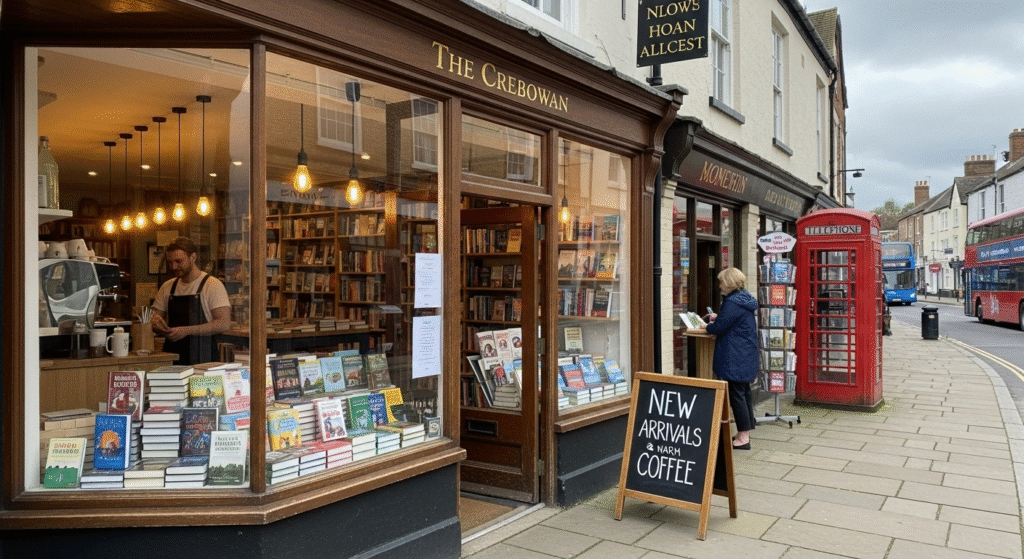
Pick something you know. Look for problems to solve. Common ideas work well. Try tutoring, cleaning, or retail. Carpet cleaning and removals earn steady income. Beauty services grow fast too.
Ways to Brainstorm Ideas
- List your skills and hobbies.
- Spot gaps in your local area.
- Check trends with free tools like Google Trends.
- Talk to potential customers.
Test your idea small. Sell to friends first. See if people pay.
Do Market Research
Know your customers. Build user profiles. Note their age, needs, and habits. Estimate market size. Use data from sites like the Office for National Statistics.
Check Competitors
- List similar businesses.
- Note their strengths and weaknesses.
- Find ways to stand out.
Use SWOT analysis. List strengths, weaknesses, opportunities, threats. This helps spot your edge.
Write Your Business Plan
A plan guides you. It shows your path. Keep it simple. Cover these parts:
- Business description.
- Goals and objectives.
- Market analysis.
- Products or services.
- Team details if any.
- Financial projections.
- Marketing strategy.
Add startup costs. Include a break-even point. Update it as you go. A good plan helps get funding.
Choose Your Business Structure
Pick what fits. Options include sole trader, partnership, limited company.
| Structure | Pros | Cons | Best For |
|---|---|---|---|
| Sole Trader | Easy setup. Keep all profits after tax. | Unlimited liability. | Small, low-risk starts. |
| Partnership | Share work and costs. | Shared liability. | Teams with trust. |
| Limited Company | Limited liability. Easier to grow. | More paperwork. Corporation tax. | Bigger plans or investors. |
Sole trader suits most beginners. Switch later if needed.
Register Your Business
Sign up early. For sole traders, tell HMRC within three months. Use Self Assessment. Limited companies go to Companies House. Pick a unique name. Check it first.
Extra Registrations
- VAT if sales top £90,000.
- Corporation tax for companies.
- Licenses for food, alcohol, or events.
Get a Unique Taxpayer Reference number. It comes after signup.
Sort Funding and Costs
Costs vary. Basic setup runs £100 to £1,000. Factor in registration, marketing, stock. Premises add more. Work from home to save. Pay Council Tax only if small.
Can You Start with No Money?
Yes. Offer services online. Use free tools. Reinvest early earnings. Build slow.
Funding Options
- Use savings.
- Get family loans.
- Apply for grants like Start Up Loans up to £25,000.
- Seek investors or crowdfunding.
- Use business credit cards wisely.
Check your credit score first. Prepare your plan to show lenders.
Set Up Finances
Open a business bank account. It keeps money separate. Track all deals. Use spreadsheets or software.
Taxes and Records
- File Self Assessment yearly.
- Pay Income Tax and National Insurance.
- Keep invoices, statements, receipts.
- Companies pay Corporation Tax.
Register for VAT on time. Send quarterly returns. Avoid fines with good records.
Get Insurance and Premises
Protect your work. Get public liability. Add employers’ if you hire. Professional indemnity covers advice roles.
Work from home first. No extra rates if small. Rent space later. Check health rules.
Build Branding and Marketing
Make your name stand out. Create a logo. Set up a website. Buy a domain.
Marketing Plan
- Know your audience.
- Set goals.
- Pick channels like social media.
- Create content.
- Measure results.
Use SEO for search rankings. Post often. Build email lists. Focus on free methods first.
Launch Your Business
Go live when ready. Tell people. Offer deals to start. Track sales.
Common Questions
- How much does it cost? From £100 for basics. More for stock or space.
- Best businesses? Tutoring, cleaning, beauty. Match to your skills.
- From home? Yes for services. Store goods there.
- Online or offline? Online needs less setup. Offline builds local ties.
- When to start? When you have an idea and time.
Avoid pitfalls. Do not skip research. Listen to feedback. Do not overspend. Balance work to avoid burnout.
Final Thoughts
Starting takes effort. Follow these steps for a strong base. Stay compliant. Grow step by step. Seek advice if stuck. Your business can thrive in the UK market.