

The UK’s new Employment Rights Act 2025 has passed into law after months of debate. Lawmakers made several changes to the original plans. These adjustments lower the financial load on companies. The act aims to update worker protections while considering business needs. It will roll out over the next few years.
Main Changes to the Reforms
The government dropped some bold ideas from the first draft. For example, workers will not get protection from unfair dismissal right from their first day. Instead, this right starts after six months on the job.
Other updates include:
- Access to sick pay from day one.
- Paternity leave available from the start.
- Stronger safeguards for pregnant workers and new parents.
- Limits on zero-hour contracts that offer no set hours.
- A ban on firing staff only to rehire them on worse terms.
- Flexible work options as the standard choice.
Many parts will take effect in stages. Some begin in 2026. Others wait until 2027.
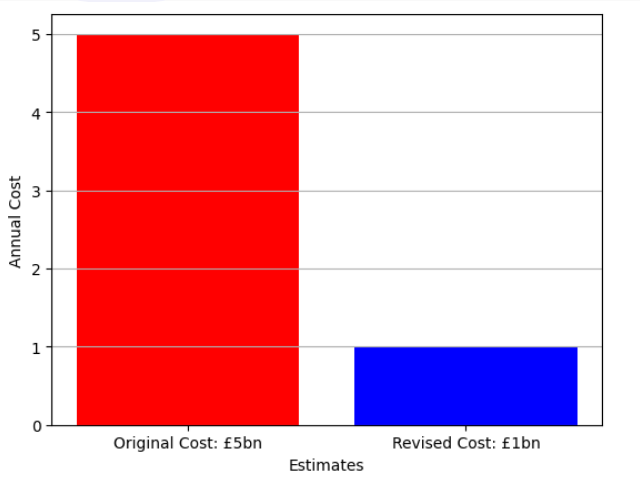
How Costs Dropped for Businesses
Early estimates put the yearly hit to companies at up to £5 billion. After tweaks, that figure fell to about £1 billion. This means a drop of around £4 billion each year.
Sectors like hospitality and retail may feel the pinch most. The changes add just 0.1% to the total UK pay bill.
The government says these costs are small. They point to long-term gains in output and fair play.
Views from Businesses and Unions
Business groups accept the lower costs. Yet some doubt the £1 billion number. They say it misses out on things like training time.
Unions have split opinions. One leader called the act a weak version of what was promised. Others see it as a step forward for health and pay security.
Opposition figures warn of job losses for young people.
Impact on Workers and the Economy
Around 18 million people stand to gain from these rules. Lower-paid roles in care and shops will see big shifts.
The act could lift employment by 0.1%. It may also raise work quality and growth.
Women and younger staff may benefit most from the updates.
Read some recent news: