
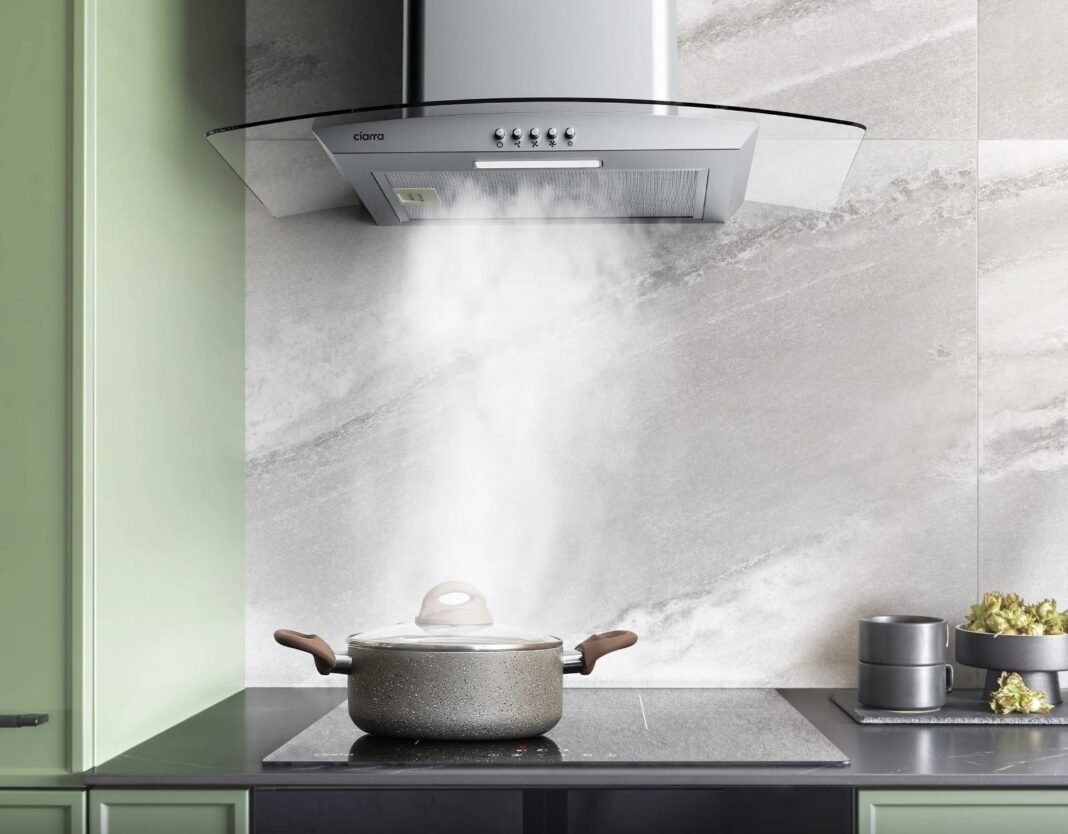

A kitchen is one of the most active spaces in any home. Daily cooking releases smoke, grease, heat, and food odors into the air. Without proper ventilation, these particles stay trapped indoors, affecting comfort and air quality. This is why a range hood has become a core kitchen appliance rather than an optional feature.
What Is a Range Hood?
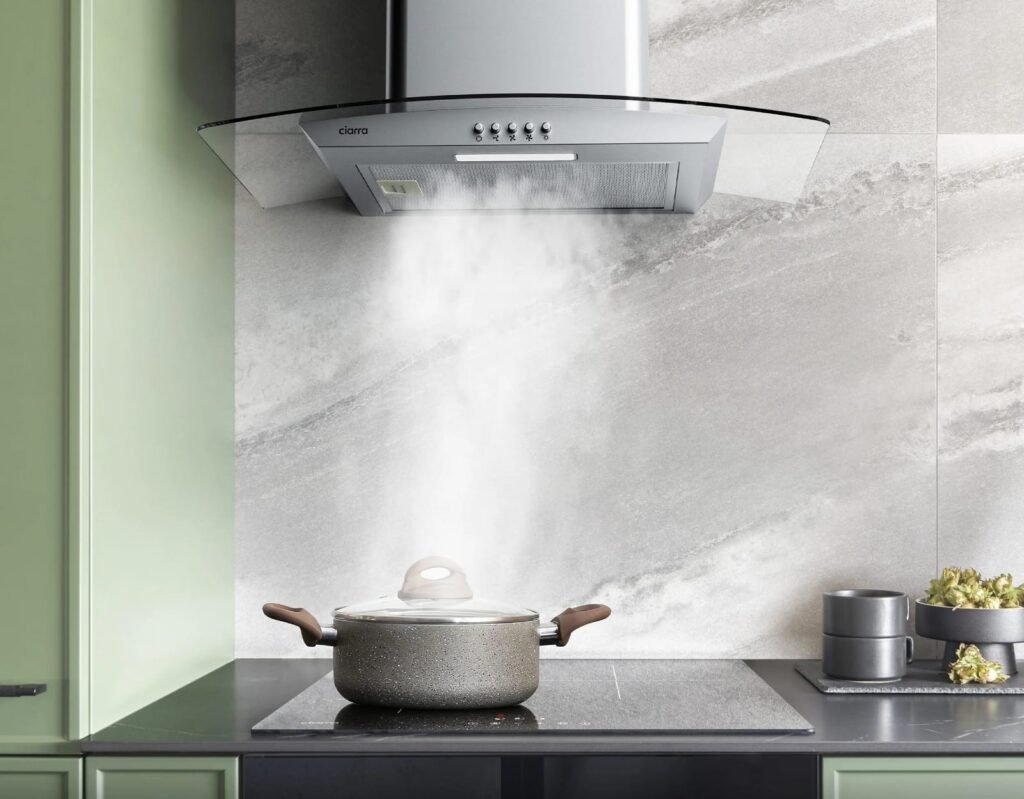
A range hood is a ventilation device installed above a cooktop or stove. Its main job is to pull in air contaminated by smoke, grease, and odors, then remove or filter it before releasing cleaner air.
Most range hoods include:
- A fan or blower
- Grease filters
- A venting system or recirculation filters
- Built-in lighting
Range hoods come in various styles, sizes, and airflow capacities to match different kitchen needs.
Why Range Hoods Matter in Everyday Cooking
Cooking produces more airborne particles than many people realize. Even boiling water adds moisture to the air. Frying and grilling release grease and smoke that can settle on cabinets and walls.
A range hood helps by:
- Clearing smoke quickly
- Reducing cooking odors
- Controlling heat buildup
- Protecting cabinets and ceilings from grease
- Supporting cleaner indoor air
In homes where the kitchen opens into living or dining areas, these benefits become even more noticeable.
Types of Range Hoods
Understanding the main types helps narrow down the right choice.
Wall-Mounted Range Hoods
Installed against a wall above the cooktop. These are common in standard kitchen layouts and offer strong ventilation.
Under-Cabinet Range Hoods
Mounted beneath cabinets, saving space while providing effective airflow. Ideal for smaller kitchens.
Island Range Hoods
Designed for cooktops placed on kitchen islands. These hang from the ceiling and require careful installation.
Built-In Range Hoods
Hidden inside cabinetry for a clean kitchen appearance while maintaining proper ventilation.
Each type serves the same purpose, but layout and design preferences usually guide the final decision.
Key Benefits of Using a Range Hood
Improved Air Quality
A range hood removes airborne grease and smoke before they spread. This helps reduce lingering odors and airborne particles.
Cleaner Kitchen Surfaces
By capturing grease at the source, range hoods help prevent buildup on:
- Cabinets
- Walls
- Countertops
- Appliances
Better Cooking Comfort
Heat and steam are pulled away from the cooktop, making the kitchen more comfortable during long cooking sessions.
Added Lighting
Most range hoods include built-in lights that improve visibility while cooking, especially during evening hours.
Important Features to Look For
Choosing the right range hood involves more than appearance.
Airflow Capacity
Measured in CFM, airflow should match cooking habits.
- Light cooking: lower CFM
- Frequent frying or high-heat cooking: higher CFM
Venting Style
- Ducted systems send air outside
- Ductless systems filter air and release it back into the kitchen
Both options work well when installed correctly.
Filter Design
- Aluminum mesh filters for easy cleaning
- Baffle filters for heavier cooking needs
Noise Levels
Multiple fan speeds allow quieter operation during simple tasks and stronger airflow when needed.
Common Challenges With Range Hoods
Incorrect Size Selection
A hood that is too small may fail to capture smoke properly. Width should match or exceed the cooktop size.
Poor Installation
Improper ducting or incorrect mounting height can reduce performance. Professional installation helps avoid these issues.
Maintenance Neglect
Filters require regular cleaning. Ignoring maintenance can reduce airflow and increase noise.
Current Trends in Range Hood Design
Clean Kitchen Appearance
Homeowners prefer appliances that blend into cabinetry. Built-in and under-cabinet range hoods are in high demand for this reason.
Quieter Operation
Modern households value quieter kitchens, especially in open layouts where cooking and conversation happen together.
Compact Urban Kitchens
Smaller homes benefit from space-saving range hood designs that still provide dependable airflow.
Focus on Daily Practical Use
Rather than decorative pieces, many buyers now prioritize performance, easy cleaning, and long-term reliability.
Choosing the Right Range Hood for Your Home
Before purchasing, consider these points:
- Kitchen size and ceiling height
- Cooking frequency and style
- Ducting options available
- Cabinet layout
- Noise preference
Matching these factors helps ensure the range hood performs well without drawing unwanted attention.
Care and Maintenance Tips
Regular care keeps a range hood working properly.
- Clean grease filters every few weeks
- Wipe the exterior after heavy cooking
- Check fan performance occasionally
- Replace filters when needed
Simple upkeep supports steady airflow and extends product life.
Trusted Kitchen Ventilation Solutions
Reliable kitchen ventilation starts with quality design and tested performance. Brands focused on kitchen appliances continue to improve airflow efficiency, ease of use, and build quality.
You can learn more about kitchen solutions here:
ciarra gadgets
Final Thoughts
A range hood plays a quiet but important role in every kitchen. It supports cleaner air, protects surfaces, and improves comfort during daily cooking. As kitchen designs continue to favor open layouts and simple visuals, proper ventilation remains essential.