
Starting a small business in the UK feels rewarding, but many owners slip into avoidable mistakes. These errors often lead to money loss, stress, and slower growth.
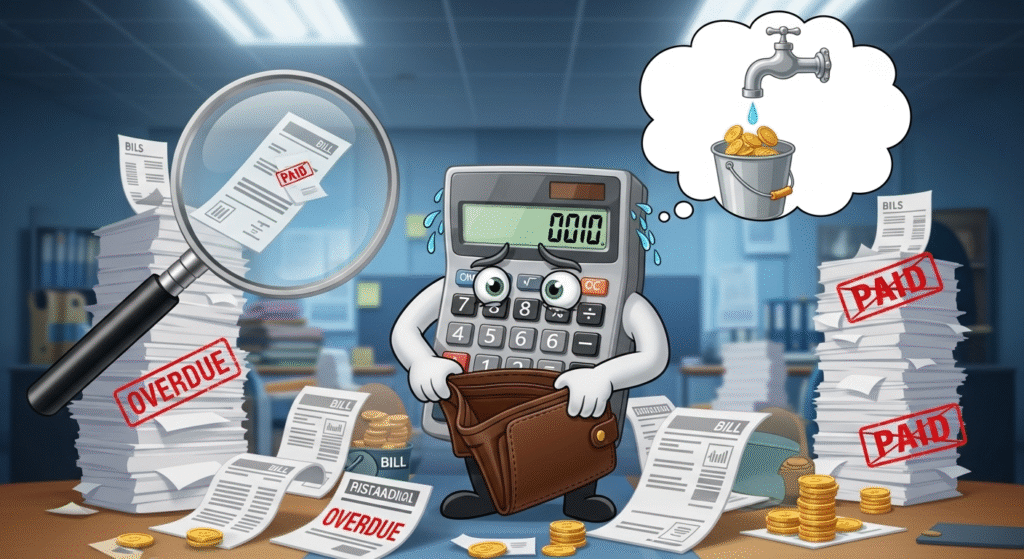
1. Underestimating Costs and Weak Financial Planning

Many new business owners misjudge how much money they need to start and run their company.
Common mistakes:
- Not planning for hidden costs like insurance, licences, or equipment
- Poor cash flow tracking
- Forgetting to set aside money for VAT, income tax, or corporation tax
How to avoid this:
- Build a full start-up budget with worst-case figures
- Track cash flow weekly or monthly
- Create a tax pot and move money into it on a set schedule
2. Weak Market Research
Many small businesses jump in without checking if the market wants their product or service.
Common mistakes:
- No research into customer needs
- Running a business based on assumptions
- Ignoring local competition
How to avoid this:
- Ask potential customers what they need
- Study competitors’ pricing
- Test your idea on a small scale before investing more
3. Picking the Wrong Business Structure
Choosing between sole trader, partnership, or limited company affects tax, legal duties, and personal risk.
Mistakes include:
- Using a structure that doesn’t match the size or risk level of the business
- Not having written agreements with partners or suppliers
- Forgetting about protecting business names or designs
How to avoid this:
- Compare each structure’s benefits and duties
- Use written contracts for partners, suppliers, and clients
- Consider trademarking your brand if it’s central to your business
4. Mixing Personal and Business Money
Combining accounts leads to bookkeeping confusion and tax issues.
How to avoid this:
- Open a separate business bank account
- Track your expenses with simple digital tools
- Keep receipts and records from day one
5. Bookkeeping and Record-Keeping Mistakes
Poor records can cause tax errors, late payments, or missing invoices.
Common mistakes:
- Not reconciling bank accounts regularly
- Forgetting to back up financial data
- Missing VAT rules or deadlines
How to avoid this:
- Use cloud-based bookkeeping software
- Reconcile accounts monthly
- Learn about VAT thresholds or speak to an accountant
6. Ignoring Legal and Compliance Duties
Many small businesses overlook legal requirements, which can lead to costly penalties.
Common mistakes:
- Weak data protection practices
- Incorrect payroll setup
- Hiring staff without proper right-to-work checks
How to avoid this:
- Follow UK GDPR rules for handling customer data
- Use payroll tools or outsource payroll
- Check original right-to-work documents before hiring
7. Trying to Do Everything Alone
Running every part of your business alone leads to burnout and mistakes.
How to avoid this:
- Delegate tasks you are weak at
- Bring in part-time or freelance help
- Look for free business advice online or through government services
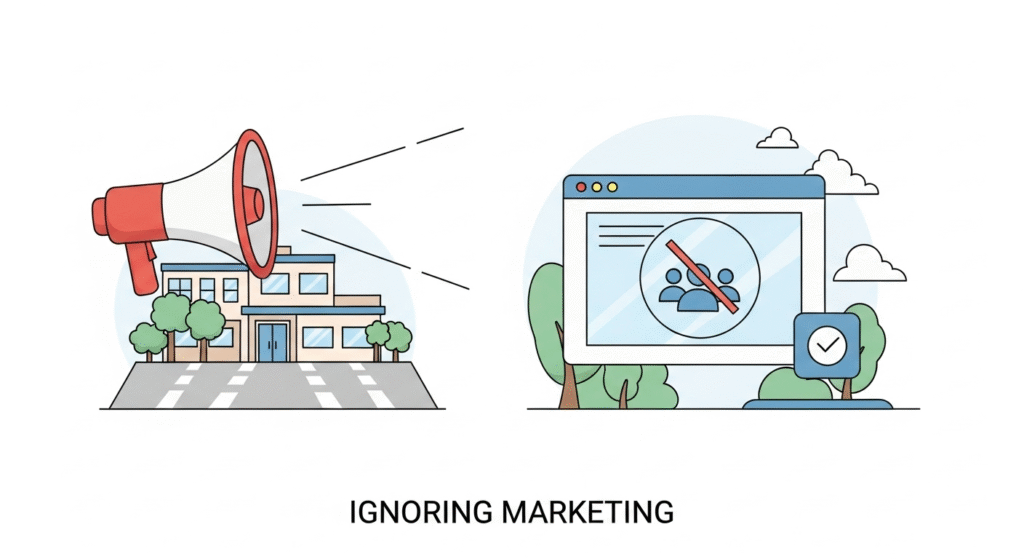
8. Poor Marketing and Customer Understanding
Many small businesses fail because they do not reach the right customers.
Common mistakes:
- No clear marketing plan
- Incorrect pricing
- Ignoring customer feedback
How to avoid this:
- Identify your target customer
- Use simple marketing channels such as social platforms or email
- Ask customers for feedback and adjust your offer
9. Over-Optimistic Growth Forecasts
Overestimating growth can cause major financial strain.
Common mistakes:
- Expecting sales to rise too fast
- Taking on more orders than the business can handle
- Spending money before income is stable
How to avoid this:
- Build forecasts based on real numbers
- Do not scale until you have stable cash flow
- Track spending closely
10. No Long-Term Plan
Many business owners focus only on short-term tasks and forget long-term goals.
Common mistakes:
- No written business plan
- Not reviewing goals yearly
- Poor risk planning
How to avoid this:
- Create a simple plan with goals, costs, and timelines
- Review the plan every year
- Track risks such as cash flow changes, competition, and customer needs
Final Thoughts
Running a small business in the UK is easier when you avoid common mistakes. With clear planning, simple tools, and steady record-keeping, you reduce stress and give your business a strong start. Take time to understand your costs, track your money, listen to customers, and review your plans. Small, steady actions lead to long-term success.