


Starting a business in the UK can seem hard. Many people do it each year. Research suggests the UK offers good support for new owners. It has simple rules and help from the government. Evidence leans toward low costs for basic setups. Some controversy exists around tax changes, but most agree on clear paths forward.
- Most beginners choose sole trader setup for ease.
- Market tests help spot real demand.
- Funding comes from loans or grants often.
- Tax rules apply right away.
- Legal steps protect you from risks.
Pick Your Idea
Find a need in the market. Look at what people buy. Use tools like surveys. Check rivals. This step cuts failure risks.
Choose Structure
Decide how to run your firm. Options affect taxes and duties. Sole traders keep it simple. Limited firms shield personal assets.
Register and Plan
Sign up with key offices. Make a plan for goals and cash. This guides your path.
Why Start a Business in the UK?
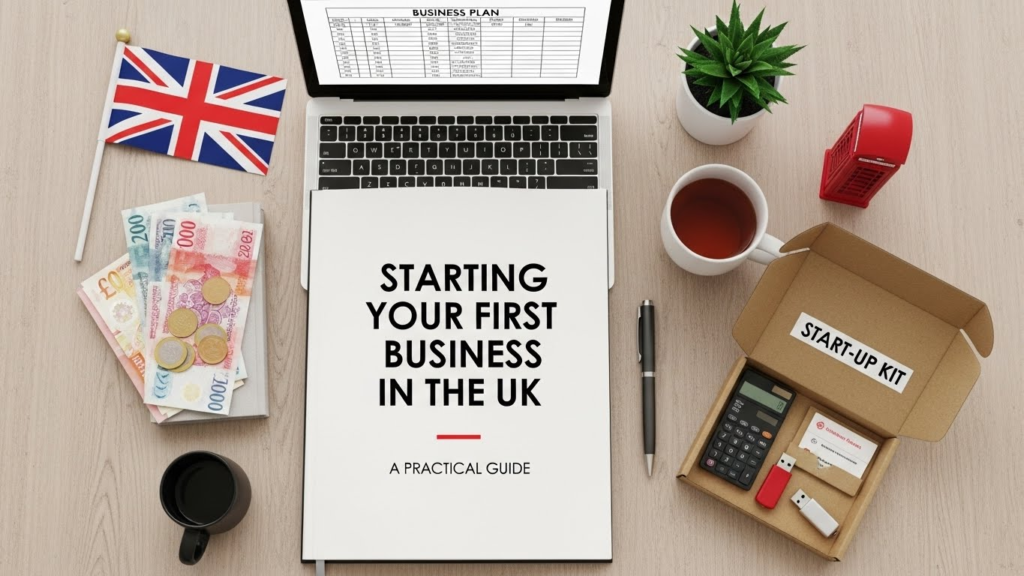
The UK has strong markets. It supports new firms with rules that help. Service fields make up most output. You can work from home. This saves money. Government aid is there for all. Data shows millions run their own firms. It fits many ages and skills.
Find Your Business Idea
Think of what you know well. Fix a common problem. Turn skills into services. Examples include consulting or online sales. Ask if people need it. List your strengths. Match them to gaps.
- Review daily issues for ideas.
- Check trends in your field.
- Talk to potential buyers.
Test the Market
Do research first. Use free tools like Google Trends. Ask questions to groups. Run small trials. Look at rivals with SWOT: strengths, weaknesses, chances, threats. This shows if your idea works.
| Step | Action | Tool |
|---|---|---|
| 1 | Gather data | Surveys |
| 2 | Study rivals | SWOT chart |
| 3 | Test small | Social posts |
| 4 | Measure results | Sales count |
Adjust based on feedback. This step saves time later.
Write a Business Plan
A plan maps your path. Keep it short. Cover goals, market, cash needs, and operations. Include numbers for three years. Use free templates from government sites.
- Start with summary.
- Add market facts.
- List costs and sales guesses.
- Note risks.
Review it each quarter. This keeps you on track.
Choose a Business Structure
Pick what fits your size. Each has pros and cons.
Sole Trader
Easiest to start. You own all. Pay income tax on profits. Liability is full. Register if earnings top £1,000. Good for small setups.
Partnership
Share with others. Split duties. All liable for debts. Need agreement paper. Tax like sole traders.
Limited Company
Separate from you. Protects assets. Pay corporation tax. Register before trade. More papers but safer for growth.
| Structure | Liability | Tax | Setup |
|---|---|---|---|
| Sole Trader | Full | Income | Simple |
| Partnership | Shared | Income | Agreement needed |
| Limited Company | Limited | Corporation | Register firm |
Choose based on risks and plans.
Register Your Business
Sign up early. Sole traders use HMRC for self-assessment. Limited firms go to Companies House. Get UTR number. Check name availability. Register for VAT if sales hit £90,000.
- Pick name that fits rules.
- File online forms.
- Get licences if needed.
Penalties apply for late steps.
Find Funding
Many start with own cash. Look for more if needed.
- Government loans up to £25,000.
- Grants for certain fields.
- Crowdfunding from public.
- Bank loans with good credit.
Estimate costs first. Spreadsheets help. Start small to need less.
| Funding Type | Amount | Source |
|---|---|---|
| Loan | £500-£25,000 | Government |
| Grant | Varies | Local aid |
| Crowdfunding | Open | Sites like Kickstarter |
Build credit for better terms.
Set Up Finances
Open business bank account. Track all money. Use software for records. Pay taxes on time. Self-assessment due each year. National Insurance applies over set levels.
- Separate personal cash.
- Record bills and sales.
- File returns online.
Hire help if numbers confuse you.
| Tax Type | When | Rate |
|---|---|---|
| Income | Profits over £12,570 | 20-45% |
| Corporation | Company profits | 19-25% |
| VAT | Sales over £90,000 | 20% |
Keep files for five years.
Get Insurance and Follow Laws
Cover risks. Public liability for harm. Employers’ if staff. Property for items. Follow GDPR for data. Health rules from HSE.
- Check required types.
- Compare costs.
- Renew each year.
This guards against claims.
Build Your Brand and Market
Create name and look. Set up website. Use social media. Focus on buyers. Content draws them in. Measure what works.
- Choose clear name.
- Post regular updates.
- Use SEO for search.
Start with free channels.
Launch and Grow
Test soft first. Get feedback. Fix issues. Track sales and costs. Adjust as needed.
- Set launch date.
- Promote to list.
- Review monthly.
Growth comes from steady work.
Avoid Common Mistakes
Plan for low cash times. Listen to buyers. Learn your field. Rest to avoid burnout. Spend wisely.
- Do not ignore tax dates.
- Test ideas before big spend.
- Seek advice early.
This helps long-term success.
Get Help and Support
Use free lines. England: GOV.UK tools. Wales: Business Wales. Scotland: Business Gateway. Northern Ireland: Invest NI. Join groups for tips.
- Call helplines.
- Take online courses.
- Find mentors.
This speeds your start.
Final Thoughts
You now have the tools to begin. Take one step at a time. Stay focused on buyers. Use support around you. Success builds over time. Good luck with your new path.