
Research shows small UK businesses gain from clear branding. It helps build trust. Customers remember strong brands. Evidence points to higher loyalty with consistent messages. Some studies suggest branding boosts sales by up to 20%. Yet, many small firms overlook it due to costs. It seems likely that simple steps can make a big difference without large budgets. Debates exist on whether visuals matter more than stories, but both play key roles.
Key Points
- Define Your Core Message: Start with what your business stands for. This guides all choices.
- Know Your Customers: Research who buys from you. Tailor your brand to their needs.
- Build Visual Elements: Create a logo and color scheme. Keep them simple for easy recall.
- Stay Consistent: Use the same style everywhere. This builds recognition.
- Promote Locally and Online: Use social media and events. Track what works.
Why Branding Matters for UK Small Firms
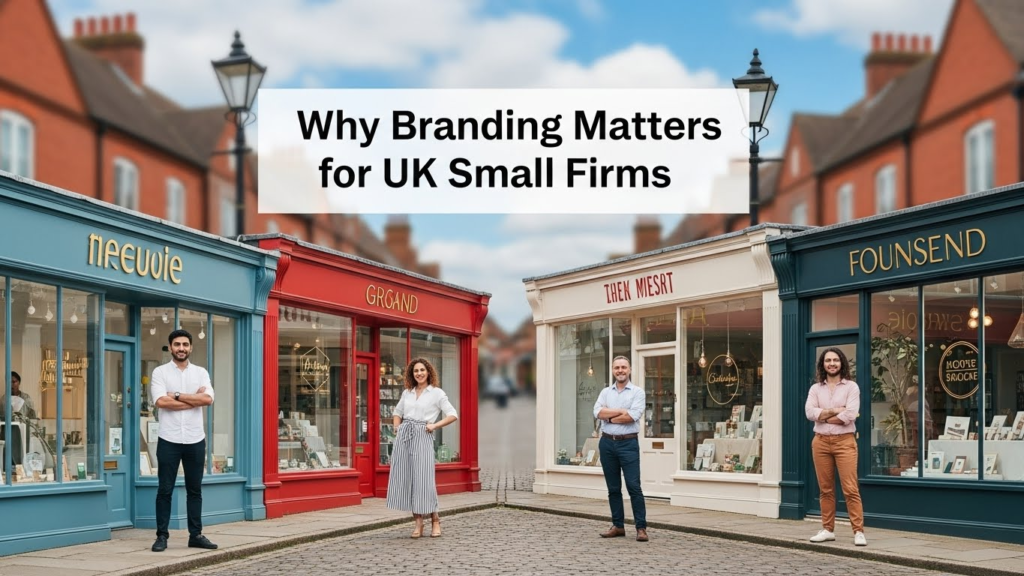
Branding sets you apart in crowded markets. In the UK, with over 5 million small businesses, standing out is key. It creates trust. Customers prefer brands they know. Good branding can lead to repeat sales.
Common Challenges
Costs worry many owners. Yet, free tools exist for logos and sites. Time is another issue. Plan small steps to fit busy schedules. Avoid common pitfalls like ignoring feedback.
Quick Start Guide
Pick one tip to try first. Measure results after a month. Adjust as needed.
Small UK businesses face tough competition. Branding helps you connect with customers. It builds loyalty and drives growth. This guide covers five key tips. Each tip draws from top sources. It includes steps to follow. Use these to create a brand that lasts.
Define Your Core Message
Your brand starts with a clear message. Ask what your business does. Think about your values. Write a short statement. This sums up your purpose.
For example, a local bakery might focus on fresh, local goods. This message shapes all you do. It helps customers see why to choose you.
Steps to Define It
- List your business goals.
- Note what makes you different.
- Get input from staff or friends.
- Refine it to one or two sentences.
A strong message aids decisions. It keeps your brand true.
Know Your Customers
Understand who buys from you. This shapes your brand. Research their age, location, and needs. Use surveys or online tools.
In the UK, tools like Google Forms work well. Talk to current customers. Find patterns in what they like.
How to Research
- Create a simple survey.
- Check social media insights.
- Look at sales data.
- Note common questions they ask.
Match your brand to their wants. This makes it relevant. For instance, if customers value quick service, highlight that.
Build Visual Elements
Visuals make your brand stick. Start with a logo. Choose colors that fit your message. Use free tools like Canva.
Keep it simple. Test on different sizes. Ensure it works in black and white too.
Key Elements
- Logo: Easy to spot.
- Colors: Two or three main ones.
- Fonts: Clear and readable.
- Images: Match your style.
UK businesses can check trademarks at the IPO site. Avoid copies.
Stay Consistent
Use your brand the same way always. This builds trust. Create a short guide. List rules for logos and colors.
Apply it to emails, sites, and signs. Train your team.
Benefits of Consistency
- Customers recognize you fast.
- It looks professional.
- Reduces mix-ups.
Check your materials often. Fix any changes.
Promote Locally and Online
Share your brand where customers are. Use social media like Facebook or Instagram. Post regular updates.
Join local UK events. Network with other firms. Track views and sales.
Ways to Promote
- Set up a basic website.
- Share customer stories.
- Use free ads on local groups.
- Measure with free tools like Google Analytics.
Focus on what fits your budget. Start small.
Table: Branding Tools for UK Small Businesses
| Tool | Use | Cost | UK Availability |
|---|---|---|---|
| Canva | Logo design | Free basic | Yes |
| Google Forms | Customer surveys | Free | Yes |
| Social posts | Free | Yes | |
| WordPress | Website build | Free basic | Yes |
| Google Analytics | Track results | Free | Yes |
This table shows low-cost options. Pick ones that suit you.
Addressing Common Questions
Many ask how to brand on a budget. Use free tools and focus on basics. Others wonder about visuals vs. stories. Both matter, but start with your message. For UK firms, local focus helps. Tie into community needs.
Research competitors too. See what they do well. Find gaps you can fill.
Measuring Success
Set goals like more website visits. Check monthly. Ask customers for feedback. Adjust your brand as needed.
Strong brands evolve. Keep learning from data.
Final Thoughts
Branding takes time but pays off. Follow these tips to build a solid base. Your business will stand out. Customers will return. Start today with one step.