
Midjourney vs DALL-E 3 is the choice most UK small businesses face when they start using AI images for marketing. Both tools turn a text prompt into a finished image in seconds. Both can produce product shots, social media graphics, blog illustrations, and ad creatives without a designer. The difference is in the look of the images, how you control them, what they cost, and what you are allowed to do with them.
What Midjourney and DALL-E 3 actually do
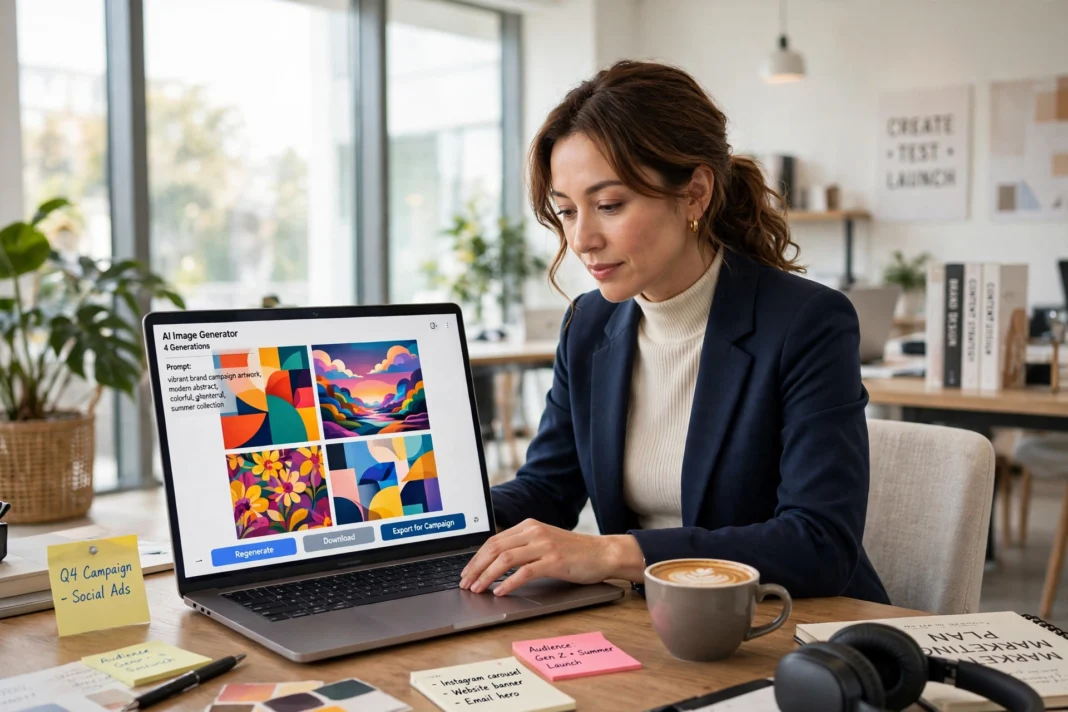
Midjourney is a specialist image generator. You write a prompt describing the image you want, and it returns four variations. It is known for striking, artistic images with strong colour, texture, and atmosphere. It runs mainly through Discord, with a web editor available on paid plans.
DALL-E 3 is OpenAI’s image model, built into ChatGPT. You describe the image in a normal chat conversation, and it creates it. It is the easier tool to start with, because there is nothing new to learn if you already use ChatGPT, and it handles text inside images far better than Midjourney.
For marketing, both tools cover the same jobs: social media visuals, website images, blog illustrations, ad creatives, and product mock-ups. The choice comes down to the style you want and how much control you need.
Image quality: style and realism
Midjourney produces the more striking images. Its default style is rich and cinematic, with dramatic lighting and strong colour. For brand imagery, hero images, and social media posts that need to stop the scroll, Midjourney usually wins. Its weakness is text: words inside images often come out misspelled or garbled, which makes it a poor choice for posters, ads with slogans, or anything where text matters.
DALL-E 3 produces cleaner, more literal images. It follows prompts more exactly, so if you ask for a red delivery van outside a Manchester shop, you get a red delivery van outside a shop. It renders text accurately, which makes it the better tool for posters, infographics, and ad creatives with headlines. Its images can look flatter and less dramatic than Midjourney’s, but they are more predictable.
For a UK business, the practical rule is simple: use Midjourney for atmosphere and brand feel, and use DALL-E 3 when the image needs to show something specific or include words.
Ease of use: which one is quicker to learn
DALL-E 3 wins on ease of use. You open ChatGPT, type what you want, and get an image. You can then ask for changes in plain English: make the background lighter, change the product colour, add a person on the left. There is no new interface to learn and no settings to understand.
Midjourney has a learning curve. Prompts work best with specific parameters for aspect ratio, style, and version, and the Discord interface feels unfamiliar at first. The web editor is simpler, but the tool still rewards users who learn its prompting style. A business owner can produce good Midjourney images within an afternoon, but DALL-E 3 takes minutes.
If your team has no time to learn a new tool, DALL-E 3 is the safer choice. If someone on the team enjoys experimenting with prompts, Midjourney repays the effort.
Pricing in GBP: what UK businesses pay
Midjourney’s paid plans start at around $10 a month (about £8) for roughly 200 images, with higher tiers at around $30, $60, and $120 a month for more generation time and extra features. There is no free plan. All paid plans include commercial use of the images you create.
DALL-E 3 is included with ChatGPT Plus at $20 a month (about £16), which also gives you the full ChatGPT service. You can also use it through the OpenAI API, where you pay per image, roughly a few pence each depending on size and quality. For a business that already pays for ChatGPT Plus, DALL-E 3 costs nothing extra.
Prices are listed in dollars and billed in dollars, so the pound cost moves with the exchange rate, and both vendors change pricing regularly — treat the figures above as a guide and check the current pricing page before you commit. For a business that only needs a handful of images a month, DALL-E 3 through ChatGPT Plus is usually the better value, because the subscription covers far more than images. For a business generating hundreds of images, Midjourney’s cheapest plan is the lower cost per image.
Commercial rights and licensing
Commercial use matters for marketing, and the two tools handle it differently.
Midjourney’s paid plans include a commercial licence: you own the images you create and can use them in ads, on your website, and on products. Images on the cheapest plan are visible to other users by default, which is worth knowing if you are creating something you want to keep private.
DALL-E 3 images created through ChatGPT also come with commercial use rights for the account holder, under OpenAI’s terms. The images are private to your account. With both tools, you should still be careful: AI-generated images can resemble existing work, so avoid prompts that copy a known brand or artist, and read the current terms before using images in a large campaign.
Neither tool’s licence removes your responsibility under UK law. If an image infringes someone’s trademark or copyright, the fact that an AI made it does not protect you. Keep prompts original, and avoid generating images of real people, logos, or branded products.
Which tool suits which marketing job
For social media, Midjourney usually produces the more eye-catching posts, especially for lifestyle, food, travel, and fashion businesses. DALL-E 3 is better for posts that need text, such as announcements, offers, and event graphics.
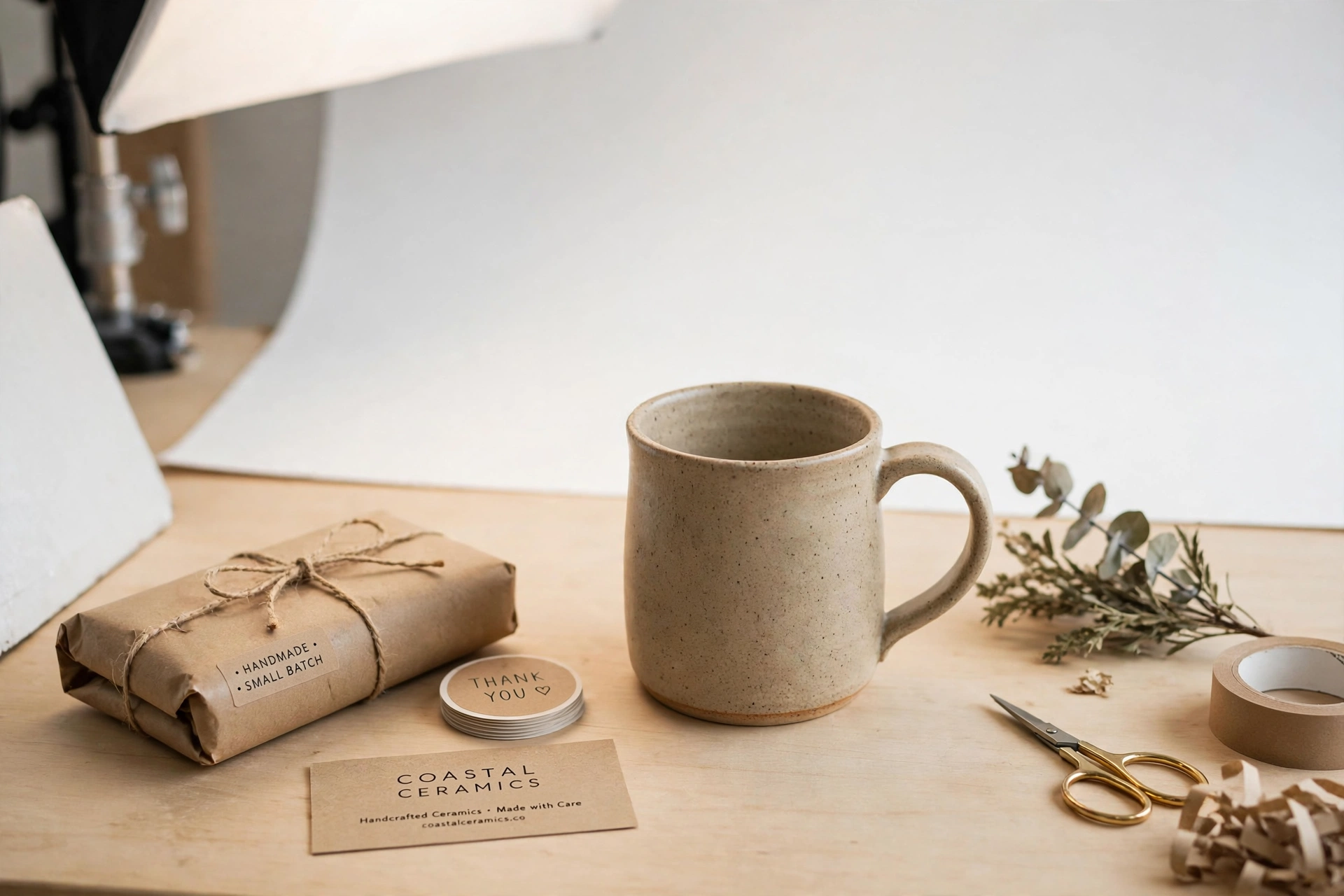
For product images, DALL-E 3 is the more reliable choice, because it follows instructions about the product more exactly. Midjourney can make a product look beautiful but may change its shape or colour between generations.
For blog illustrations and website images, either tool works. Midjourney gives a more polished, editorial feel. DALL-E 3 gives a more accurate illustration of a specific idea.
For ads, DALL-E 3 has the edge, because ad creatives usually need a headline or a call to action inside the image, and it renders text correctly.
Many businesses use both: Midjourney for hero images and brand visuals, DALL-E 3 for everything that needs text or accuracy. The wider guide to the best AI image generators for UK businesses compares seven tools, including both of these, if you want to look beyond the pair.
How to get started
Start with the tool you already pay for. If your business uses ChatGPT Plus, open a chat and ask for an image. If you want Midjourney’s style, sign up for its cheapest plan and run ten prompts for a real marketing job, not a test.
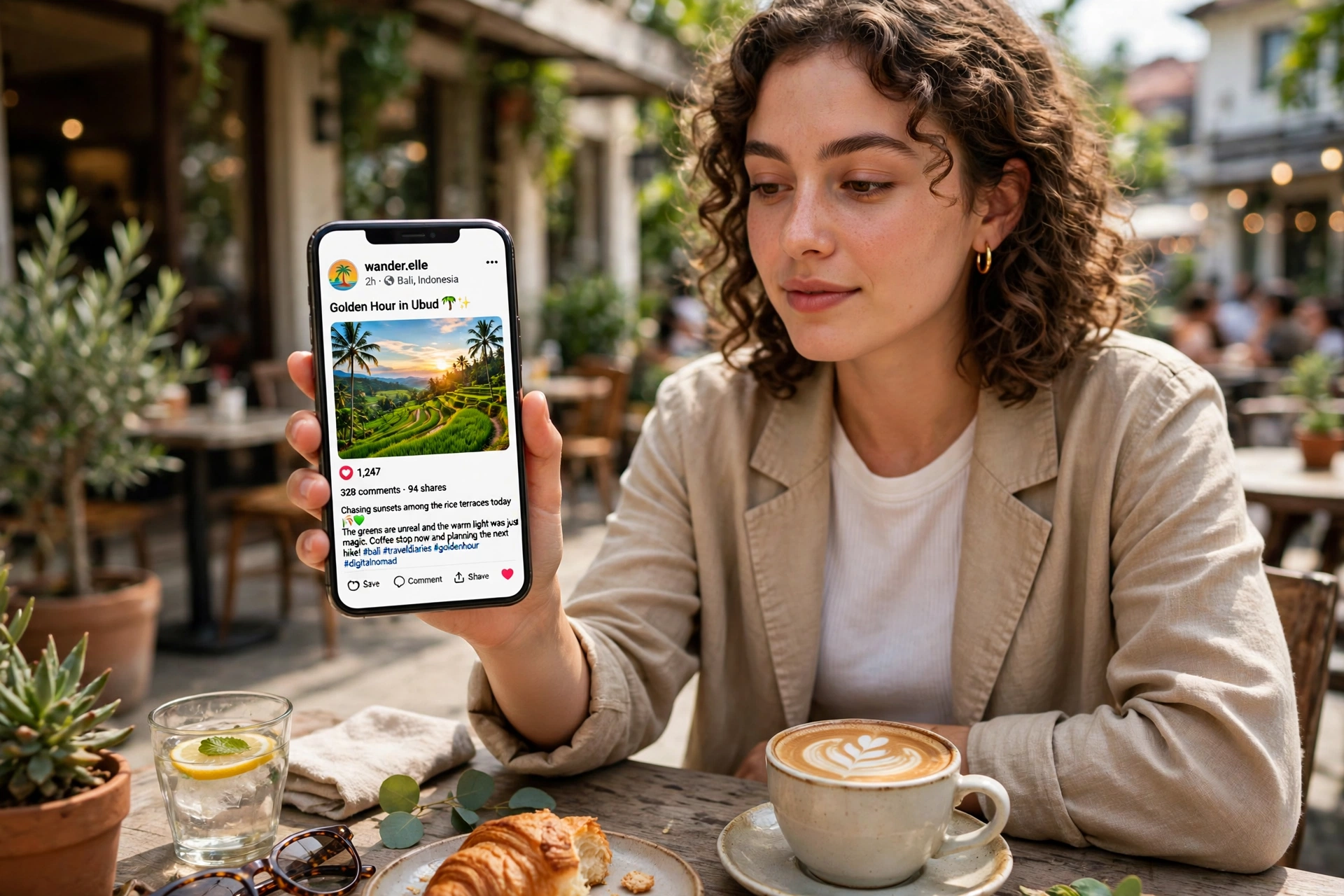
Whichever tool you choose, write prompts like a brief, not a wish. Describe the subject, the setting, the colours, the mood, and the format. A prompt like “a bright photo of a small bakery shopfront in Leeds, morning light, blue awning, people walking past” will beat “bakery image” every time. Save the prompts that work, so your images stay consistent over time.
For a broader marketing plan, the guide to content marketing ideas for UK small businesses shows where AI images fit alongside blogs, video, and email. If you need a logo rather than a photo, the guide to creating a free UK small business logo covers the free tools for that job.
Common mistakes
The first mistake is using AI images for everything. Customers notice when every image looks generated, and it can make a business feel less real. Mix AI images with real photos of your team, your products, and your premises.
The second mistake is ignoring image size and format. Social platforms crop images differently, so generate in the right aspect ratio for each channel rather than cropping afterwards.
The third mistake is publishing without checking. AI images can include strange details: extra fingers, misspelled words, or a logo that looks almost like a real brand. Check every image before it goes live, especially in ads.
The fourth mistake is forgetting the human step. AI images support your marketing, but they do not replace a clear message or a good offer. For customer-facing campaigns, the guide to AI lead generation in the UK shows where AI tools help and where a person still wins.
Frequently asked questions
Can I use Midjourney or DALL-E 3 images in ads?
Yes, on a paid plan, both tools allow commercial use of the images you create. Read the current terms before a large campaign, and avoid prompts that copy a known brand or artist.
Which one is better for product photos?
DALL-E 3, because it follows instructions about the product more exactly. Midjourney produces more beautiful images but may change the product’s shape or colour between generations.
Do I need a designer to use these tools?
No. Both are designed for non-designers. DALL-E 3 is the easier start, because it works inside ChatGPT. Midjourney takes an afternoon to learn but rewards the effort with more striking images.
Can AI images replace stock photos?
For many marketing jobs, yes. AI images can match your brand colours and show exactly the scene you need. Real photos are still better for showing your actual team, premises, and products, because customers trust what is real.
Midjourney vs DALL-E 3 is not a contest with one winner. Midjourney gives you the more striking images, DALL-E 3 gives you the more accurate ones. Pick the tool that matches the job in front of you, or use both, and check every image before it goes live.