

If you are thinking about starting a business in the UK, one of the first decisions you will face is choosing the right structure. For many founders, a limited company is the go-to choice. But what exactly is a limited company? How does it work? And is it right for you?
What Is a Limited Company?
A limited company is a type of business structure where the company is a separate legal entity from the people who own and run it.
This is the key difference between a limited company and a sole trader. As a sole trader, you and your business are treated as the same person in the eyes of the law. With a limited company, the business stands on its own.
This means:
- The company can own assets in its own name
- The company can sign contracts
- The company can be taken to court — and can sue others
- The company is responsible for its own debts
In the UK, all limited companies must be registered with Companies House, the official registrar of companies.
What Does “Limited” Mean?
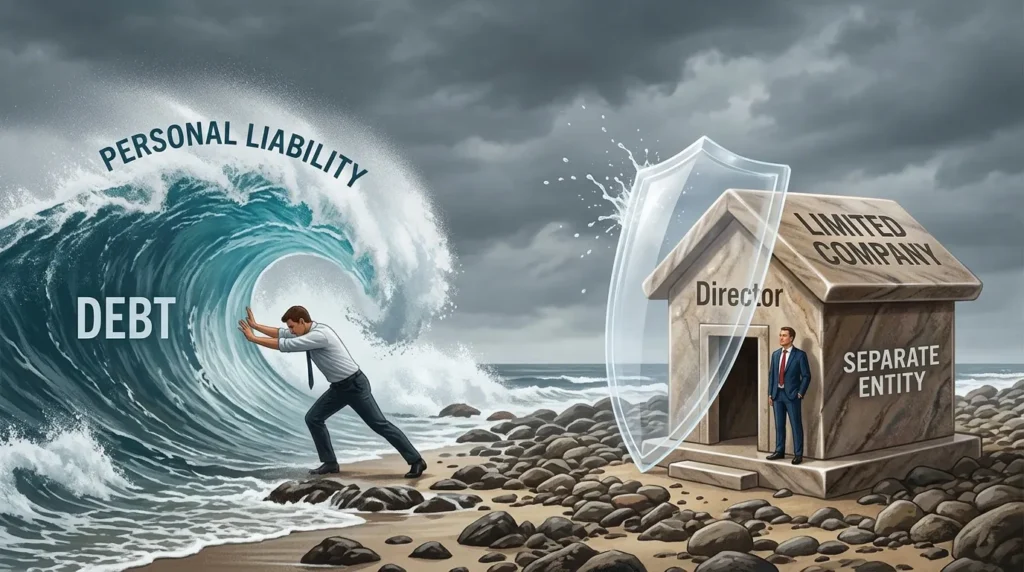
The word “limited” refers to limited liability. This is the legal protection it gives to owners.
If the business runs into debt or faces legal action, the owners (called shareholders) are only responsible for the money they originally put into the company. Their personal savings, home, and belongings are not at risk.
For example, if you invested £1,000 into a company and it later owes £50,000 to suppliers, you only lose your £1,000. You do not owe the remaining £49,000.
This protection does not apply if you personally guarantee a business loan or act dishonestly as a director.
The 3 Main Types of Limited Company in the UK
1. Private Limited Company (Ltd)
This is by far the most common type. It is used by small businesses, freelancers, contractors, and growing companies.
Key features:
- Shares are not offered to the public
- Must have at least one director and one shareholder (the same person can fill both roles)
- Profits can be kept by shareholders as dividends
- Must end its name in “Ltd” or “Limited”
2. Public Limited Company (PLC)
A PLC can sell its shares to the public, usually through the London Stock Exchange. Examples include Barclays PLC and J Sainsbury PLC.
A PLC must have at least two directors, a company secretary, and a minimum share capital of £50,000. This structure suits large, established businesses — not small startups.
3. Company Limited by Guarantee
Instead of shareholders, this type has “guarantors” who agree to pay a set amount if the company is wound up. It is typically used by charities, community groups, and non-profit organisations.
How Is a Limited Company Different From a Sole Trader?
This is one of the most common questions for people starting a business in the UK. Here is a simple breakdown:
| Feature | Limited Company | Sole Trader |
|---|---|---|
| Legal status | Separate legal entity | Same as the owner |
| Personal liability | Limited to investment | Full personal liability |
| Tax paid on profits | Corporation Tax | Income Tax + NI |
| Admin level | Higher | Lower |
| Public records | Yes | No |
| Credibility | Generally higher | Lower |
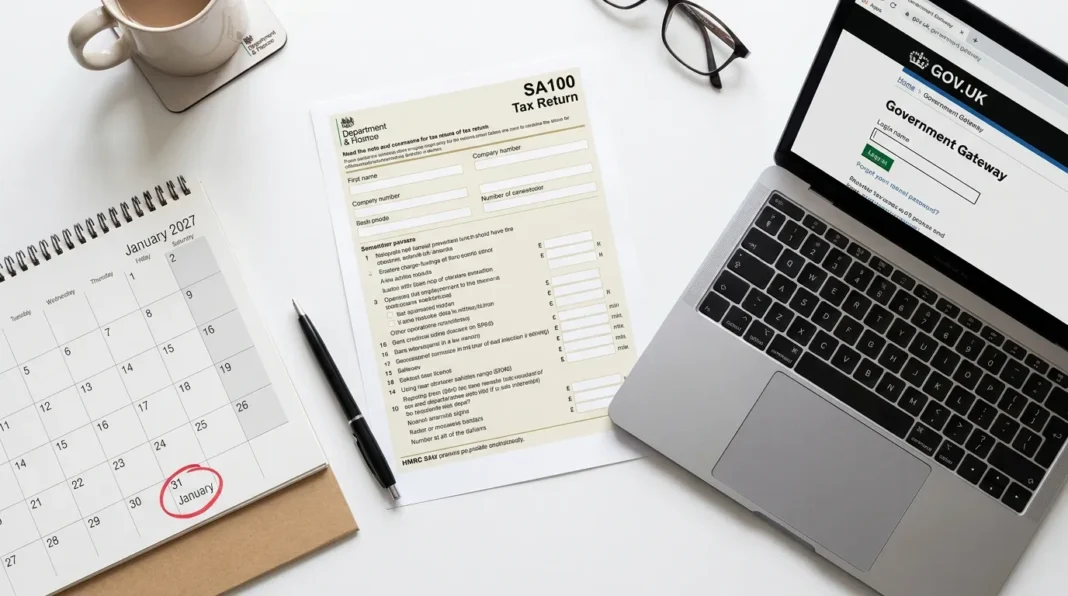
For more on this, read our guide to self-assessment tax returns — which is what sole traders use to report their income to HMRC.
How Does a Limited Company Pay Tax?
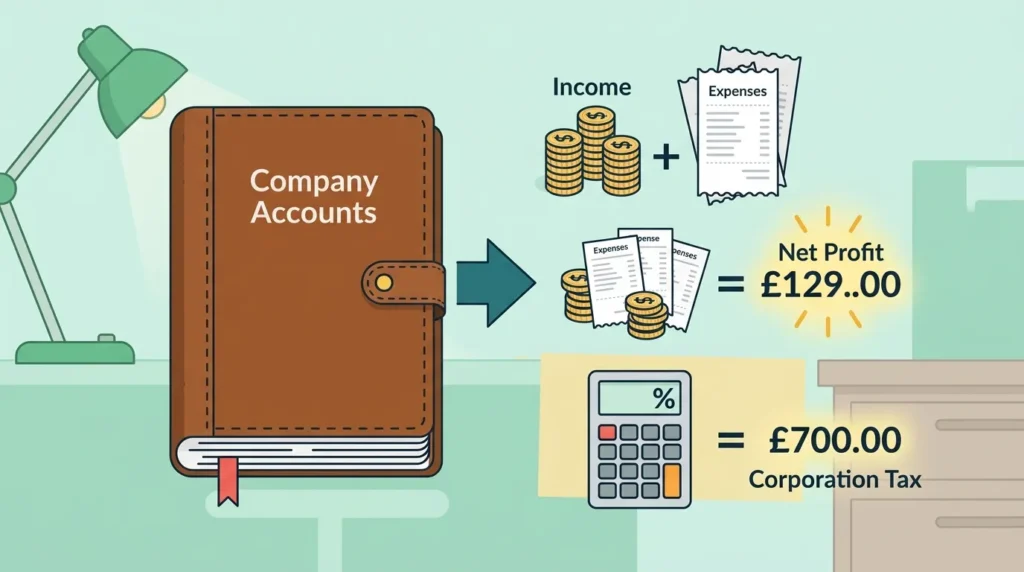
A limited company pays Corporation Tax on its profits. This is different from the Income Tax paid by sole traders.
The rates for 2025/26 are:
- 19% on taxable profits up to £50,000 (small profits rate)
- 25% on profits above £250,000 (main rate)
- Marginal Relief applies for profits between £50,000 and £250,000
As a director, you can pay yourself a combination of salary and dividends. This is often more tax-efficient than taking all income as salary, especially once profits exceed roughly £40,000 to £50,000 per year.
The dividend tax rates from April 2026 are:
- Basic rate: 10.75%
- Higher rate: 35.75%
If you have employees, you will also need to register for PAYE and deal with employer National Insurance contributions.
For a deeper look at your tax obligations, visit our Money & Tax section.
When Does a Limited Company Make Sense?
A limited company is not the right choice for everyone. Here are the situations where it makes the most sense:
You earn above £40,000–£50,000 in profit. At lower profit levels, a sole trader structure may actually be more tax-efficient after accounting for admin costs. The tax savings with a limited company usually become meaningful once profits cross this threshold.
You want to protect your personal assets. If your business carries any financial risk — large contracts, employees, debt — limited liability is worth having.
You want to look more professional. Many larger businesses, local councils, and public-sector clients prefer to work with a limited company rather than a sole trader.
You want to bring in investors or business partners. A limited company makes it straightforward to give others a share of the business through equity.
You are a contractor. Many contractors operate through a limited company to manage tax efficiently. Be aware that IR35 rules may apply to your situation.
Advantages of a Limited Company
- Personal asset protection. Your home, savings, and personal belongings are separate from the company’s debts.
- Tax planning opportunities. Directors can take a mix of salary and dividends to reduce their overall tax bill.
- Protected company name. Once registered, no one else can use your exact company name.
- Business credibility. A registered company often appears more established and trustworthy to clients and suppliers.
- Pension contributions. A company can make employer pension contributions as a business expense, which reduces its Corporation Tax bill.
- Business continuity. If a director leaves, the company continues to exist.
Disadvantages of a Limited Company
- More admin. You must file annual accounts with Companies House, submit a Corporation Tax return, and send a confirmation statement every year.
- Public information. Your company’s accounts, directors’ names, and shareholder details are visible on the public register.
- Higher costs. Accounting fees are generally higher than for a sole trader. Formation, compliance, and filing costs add up.
- Less privacy. Your registered office address is on the public record.
- IR35 risk for contractors. If HMRC decides you are operating inside IR35, the tax advantages of your limited company may not apply.
How to Set Up a Limited Company in the UK
Setting up a limited company is quicker and cheaper than most people expect. Here are the main steps:
Step 1: Choose a Company Name
Your name must be unique and cannot be too similar to an existing name on the Companies House register. It must end in “Ltd” or “Limited.” You can check name availability on the Companies House website.
Step 2: Appoint a Director
Every private limited company needs at least one director. The director must be at least 16 years old and cannot be a disqualified director or undischarged bankrupt. Directors do not need to be UK residents.
Step 3: Decide on Shareholders and Share Structure
You need at least one shareholder. This can be the same person as the director. Decide how many shares to issue and at what value.
Step 4: Prepare Your Documents
You will need a Memorandum of Association (confirming that the shareholders agree to form the company) and Articles of Association (the rules for running the company). Standard model articles are available and widely used.
Step 5: Choose a Registered Office Address
Your company must have a UK-registered office address. This address will appear on public records and is where official mail from Companies House and HMRC is sent. It must be a physical address, not a PO Box.
Step 6: Register With Companies House
You can register online in as little as 24 hours. The fee is £50 for online registration. You will receive a Certificate of Incorporation confirming your company is legally registered.
Step 7: Register With HMRC for Corporation Tax
You must register for Corporation Tax within three months of starting to trade. HMRC will send your company a Unique Taxpayer Reference (UTR) after registration.
Step 8: Open a Business Bank Account
You should keep your personal and business finances separate. A dedicated business bank account is important for clear bookkeeping and for demonstrating you are treating the company as a separate entity.
Your Ongoing Legal Duties as a Director
Once your company is up and running, you have a number of legal responsibilities:
- File annual accounts with Companies House within 9 months of your financial year-end
- Submit a Corporation Tax return to HMRC within 12 months of your financial year-end
- Pay Corporation Tax within 9 months and 1 day of your year-end
- File a Confirmation Statement with Companies House once a year
- Keep accurate company records, including financial transactions, minutes of meetings, and shareholder information
- Register for VAT if your turnover exceeds £90,000
Staying on top of Making Tax Digital requirements is also important, especially from April 2026 when new rules take effect.
Frequently Asked Questions
Can one person set up a limited company in the UK?
Yes. A single person can be both the sole director and sole shareholder of a private limited company. There is no minimum number of people required for a private Ltd.
Do I need an accountant for a limited company?
You are not legally required to hire an accountant, but most directors do. The filing requirements are more complex than those for a sole trader, and errors can lead to fines. An accountant also helps with tax planning.
How much does it cost to set up a limited company?
Online registration with Companies House costs £50 and can be completed in 24 hours. If you use a company formation agent, costs vary but are often between £12 and £100 depending on the package.
Is a limited company better than a sole trader?
It depends on your situation. If your profits are under £30,000–£40,000 and you carry low financial risk, a sole trader is simpler and often cheaper after admin costs. If your profits are higher, or you want personal asset protection, a limited company may be the better choice.
What is a SIC code?
A Standard Industrial Classification (SIC) code identifies what type of business you run. You need to provide one when you register with Companies House.
Can I change from sole trader to limited company later?
Yes. Many business owners start as sole traders and incorporate later when their income grows. The process involves setting up the company and transferring the business across. An accountant can guide you through this.
What Happens If a Limited Company Gets Into Debt?
If a company cannot pay its debts, it may go through insolvency. In most cases, the shareholders only lose the money they invested. Their personal assets are protected.
However, this protection has limits. If a director:
- Personally guaranteed a loan
- Acted fraudulently or negligently
- Allowed the company to trade while knowingly insolvent
…they may face personal liability. This is why understanding your duties as a director from day one is important.
Final Thoughts
A limited company gives you legal protection, tax planning options, and a more professional business profile. For many UK entrepreneurs, it is the right long-term structure once the business is earning meaningful income.
That said, it comes with more admin, more costs, and more compliance than operating as a sole trader. The right choice depends on your income level, your risk tolerance, and your plans for growth.