


Yes — a limited company can claim Corporation Tax relief on many costs run up before it started trading. Under section 61 of the Corporation Tax Act 2009, revenue expenses incurred within 7 years before the first day of trading are treated as incurred on that first day and deducted in the first accounting period.
Three warnings come with that good news: capital kit goes through capital allowances, not expenses; the formation fee gets no relief; and VAT runs on shorter clocks — 4 years for goods, 6 months for services.
This guide reflects HMRC guidance as reviewed on 2 November 2026.
Pre-trading expenses in short: sort every cost paid before day one into three buckets. Revenue costs that would have been deductible had you been trading go in under s.61 CTA 2009 (7-year lookback, claimed in your first Company Tax Return). Capital items go through capital allowances, also deemed day one. Formation fees, entertaining, advance stock and anything over 7 years old get nothing. VAT is a separate claim on your first VAT return, on shorter clocks.
The rule in one section: section 61 CTA 2009
Section 61 gives relief where a company incurs expenses for the purposes of a trade before it starts to carry it on. If the expense would have been deductible had it been incurred on the first day of trading, the law treats it as incurred on that day — so it is deducted in the first accounting period. HMRC’s manual page BIM46351 sets out the scope: revenue expenditure only, and the normal ‘wholly and exclusively’ test still has to be met.
| The s.61 test | What it means |
| Incurred by the company, for its trade | The cost must belong to the company’s own trade — not another business |
| Within 7 years before the start date | Count back from the first day of trading, not incorporation |
| Revenue in nature | Running costs, not capital items — capital goes through capital allowances |
| Would have been deductible on day one | Must pass ‘wholly and exclusively’ and dodge every normal disallowance |
One carve-out: s.61 does not cover interest and other loan-relationship debits, which follow Part 5 of the Act (CFM32100).
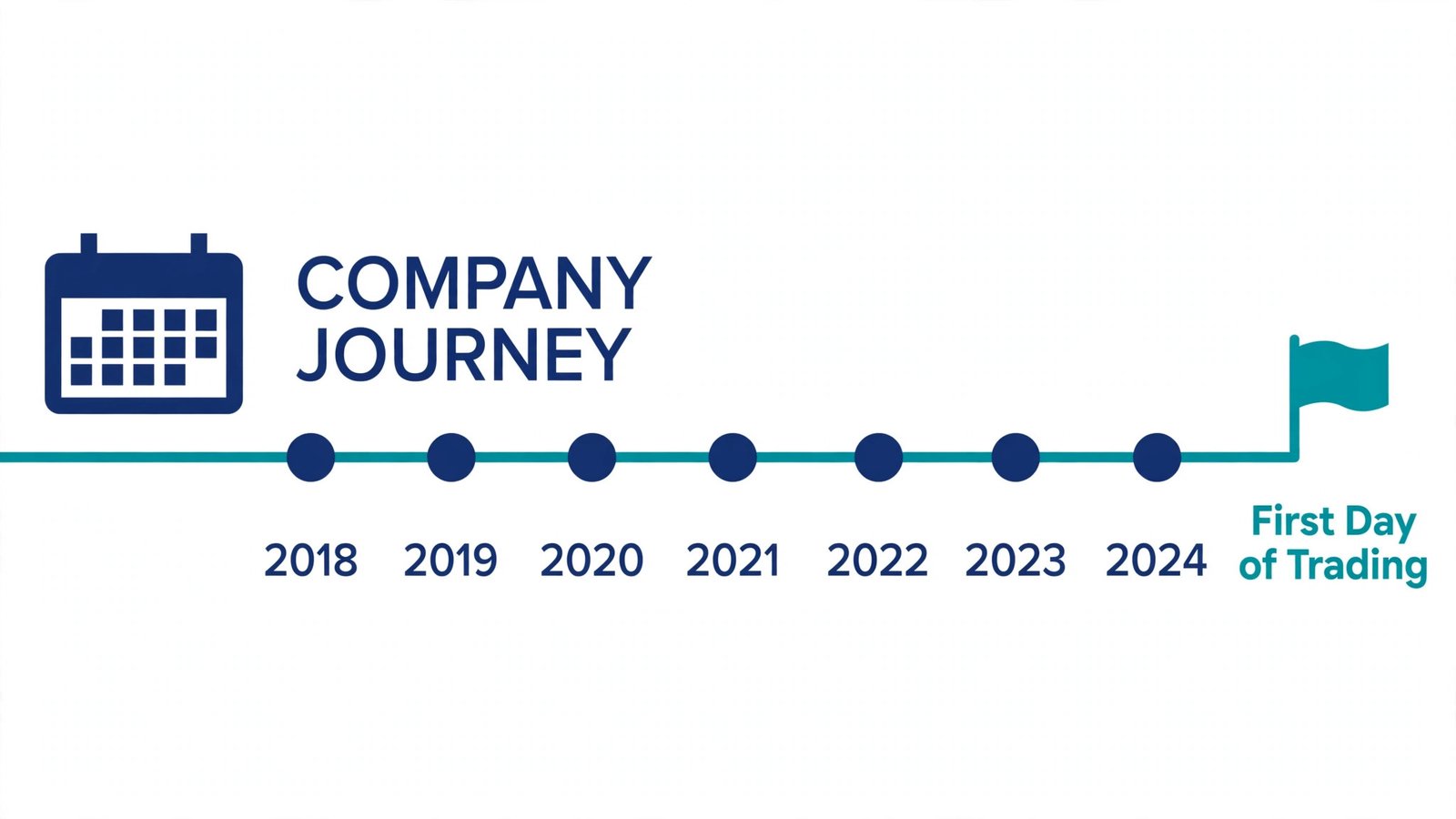
What “first day of trading” actually means
The start date is the day the company starts to carry on the trade — often weeks or months after incorporation. HMRC’s commencement guidance (BIM80505) puts the test this way: a trade cannot generally commence until the trader is in a position to provide the goods or services it trades in, and does so, or offers to do so. A company cannot trade before it legally exists (BIM80525) — so pre-incorporation costs are always pre-trading costs.
The date matters twice — it starts both the 7-year clock and your first Corporation Tax accounting period. Get it wrong and you abandon valid costs, or claim stale ones.
Where the relief lands
There is no separate claim form. BIM46355 explains that qualifying expenditure is treated as incurred on the day the trade is first carried on, so it enters the first period’s computation automatically. If they push your first period into a loss, or enlarge one, the loss follows the normal company loss rules (see our guide to corporation tax loss carry-back).
The three buckets: what counts, what goes through capital allowances, what never counts
Before you claim anything, sort every pre-trading receipt into one of three buckets. The bucket — not the amount, not when you paid — decides the relief.
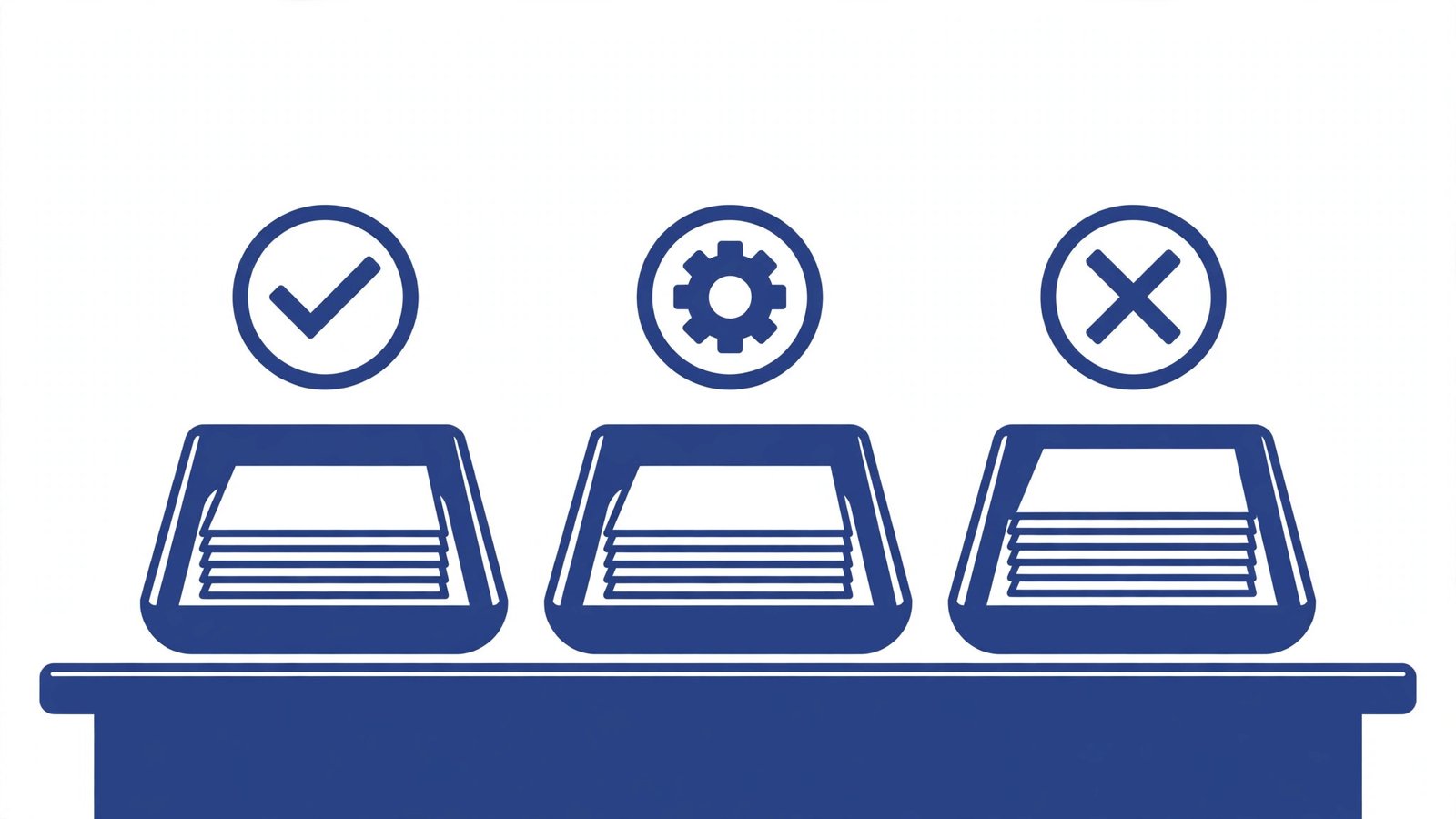
Bucket 1: deductible under s.61
These are ordinary revenue costs of setting up the trade itself — the kind of spend deductible in any normal trading week:
- Accountancy advice on the business and its first accounts
- Legal fees for client contracts, terms and trading agreements
- Website design and domain costs
- Launch marketing and advertising
- Business insurance premiums
- Software subscriptions
- Market research
- Travel to meet prospective clients and suppliers
- Stationery and small consumables
Anything that would have failed ‘wholly and exclusively’ while trading fails here too — our list of tax-deductible business expenses shows what normally passes.
Bucket 2: capital allowances, not expenses
Equipment, laptops, machinery, tools and fixtures are capital expenditure. BIM46351 gives no relief for it under s.61 — but points to the separate route: section 12 of the Capital Allowances Act 2001 treats pre-trading capital expenditure as incurred on the date trading starts.
The Annual Investment Allowance usually gives 100% relief in the first period, so the right route costs you nothing — but it must be claimed as capital allowances, not typed into the expenses box. See our guides to capital allowances for small businesses and the Annual Investment Allowance.

Bucket 3: never claimable
Some costs fail at every gate:
- The Companies House incorporation fee — £100 online (£124 by post). A capital cost of creating the company itself, so no Corporation Tax deduction. A formation agent’s forming charge is the same.
- Entertaining — disallowed even while trading, so it fails the would-have-been-deductible test before s.61 is reached. Our guide to business entertainment expenses covers the narrow exceptions.
- Fines, penalties and the personal element — never deductible; dual-purpose costs fail ‘wholly and exclusively’.
- Costs more than 7 years old — outside the s.61 window, full stop.
- Another business’s costs, and costs of a trade that never starts — relief follows the person and the trade; no start date, no relief (see the sole-trader warning below).
The stock trap
Stock bought in advance is the item most guides get wrong: it is not a s.61 expense. BIM46351 states that the cost of an advance purchase of trading stock does not qualify, because the cost is deductible anyway when trading begins — as cost of sales, when you sell the stock. The same logic catches rent paid in advance: the slice covering a period after trading starts is relieved over that period, not through s.61.
| Cost | Bucket | Why |
| Advice, website, marketing, insurance, software | s.61 expense | Revenue set-up costs, deductible if incurred while trading |
| Laptop, equipment, machinery | Capital allowances | Capital — s.12 CAA 2001 day-one treatment |
| Stock bought before day one | Neither | Cost of sales once trading starts (BIM46351) |
| Rent paid in advance | Neither | Relieved over the period it covers |
| Companies House formation fee | Never | Capital cost of creating the company |
| Entertaining prospective clients | Never | Disallowed even while trading |
Paid for it yourself before the company existed? How reimbursement works
Almost every founder pays personally at the start: before incorporation there is no company bank account to pay from. The company can pay you back — here is the clean way to do it:
- Keep every invoice and receipt, whoever’s name is on it.
- Put in an expense claim to your own company: each cost, what it was for, when you paid it.
- Record a board minute of the company adopting the pre-incorporation costs.
- Enter the costs in the company’s books, credited to your director’s loan account — the company now owes you.
- Draw the money back out as cash flow allows.
That credit balance matters: a director’s loan account in credit means the company owes you, so drawing it out is repayment of a debt, not salary or a dividend. Our guide to the overdrawn director’s loan account explains both sides of the account.

Reimbursement is not the same as tax relief
Keep two questions separate, because mixing them up is the most common mistake in this area:
- Can the company pay me back? Yes — for genuine business costs you paid personally, including costs that get no tax relief at all. The formation fee is the classic example: the company can reimburse your £100.
- Can the company deduct the cost? Only if it passes the s.61 test — revenue, wholly and exclusively for the trade, within 7 years, deductible if incurred on day one. The formation fee fails (it is capital): reimbursed, but never deducted.
Recording a cost in your accounting software is bookkeeping. It is not, by itself, tax relief.
The honest caveat on who incurred the cost
BIM46355 contains the sentence most guides skip: relief under this legislation “is only available to the person who incurred the expenditure and commences the trade.”
The clean s.61 case is the company paying itself, after incorporation and before trading. Founder-paid pre-incorporation costs are claimed in practice on the adopt-and-reimburse basis above: the company takes on the costs and owes you the money. That rests on paperwork to match — receipts, an expense claim, the board minute. Where sums are large, take advice before the first return goes in, not after HMRC asks.
VAT on pre-trading costs: three different clocks
VAT is a separate claim, on far shorter clocks than Corporation Tax’s 7 years. Under Regulation 111 of the VAT Regulations 1995, VAT incurred before registration can be treated as input tax — claimed on the first VAT return — within these limits (HMRC’s manual: VIT32000):
| Relief | Lookback | Claimed where |
| Corporation Tax — s.61 CTA 2009 | 7 years before the first day of trading | First Company Tax Return computation |
| VAT — goods | 4 years before registration | First VAT return |
| VAT — services | 6 months before registration | First VAT return |
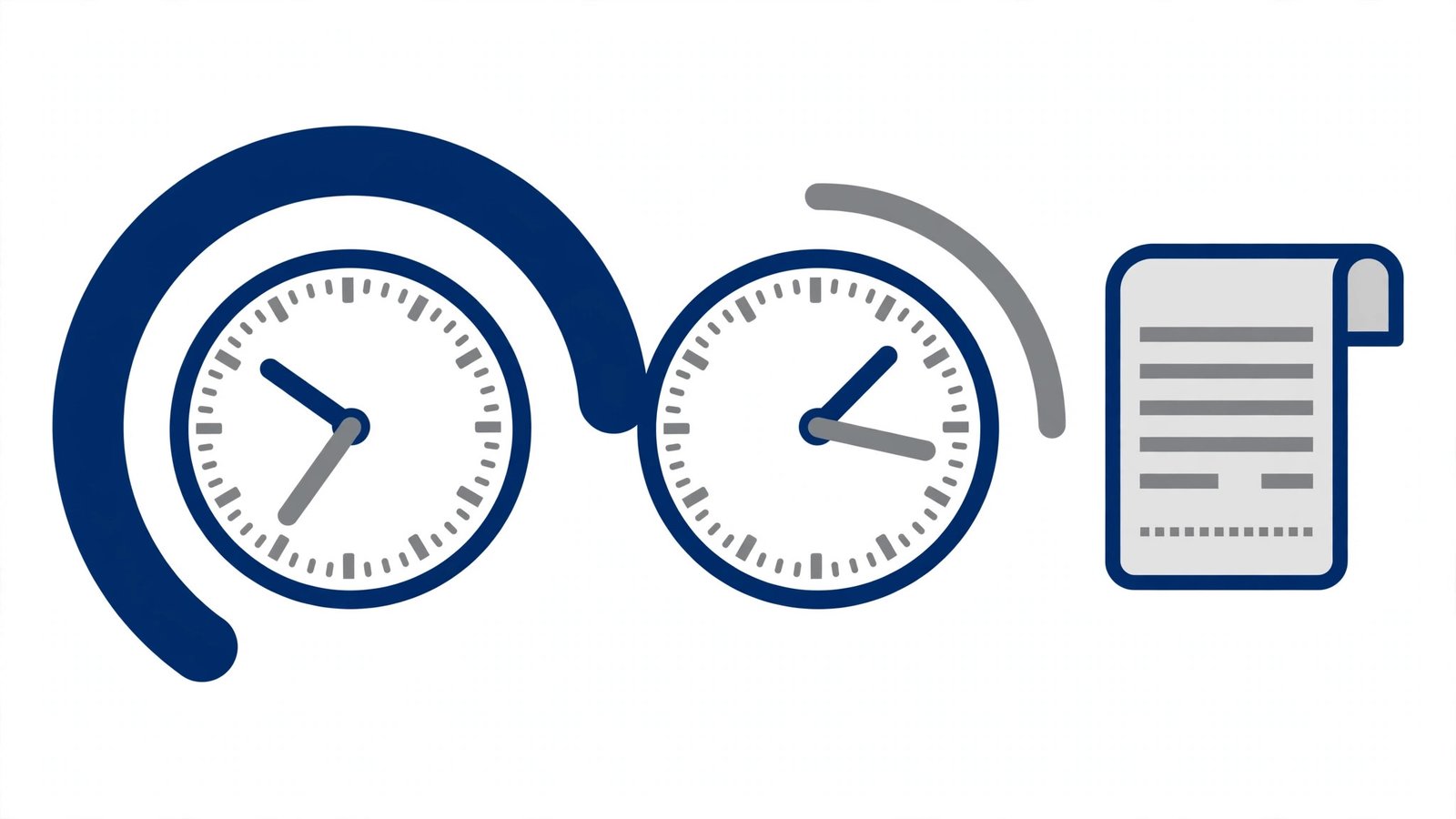
For goods, the 4 years only helps if the goods are still on hand at registration, or were used to make goods you still hold. For services, the 6 months is hard: HMRC has no discretion to extend it (short of backdating the registration date), and the services must relate to the taxable business after registration and not have been used up beforehand. Never import one tax’s clock into the other: a service received 2 years before registration has lost its VAT for good, even though its net cost can still qualify under s.61’s 7 years.
Pre-incorporation VAT is expressly allowed
A company cannot register for VAT before it exists, but VIT32000 deals with this directly: a company can claim VAT on goods and services supplied to the people setting it up before incorporation, if the tax relates directly to the business it will carry on. The same limits apply — 4 years for goods, 6 months for services — and you need proper VAT invoices (see our voluntary VAT registration guide).
What VAT can never come back
VAT on purchases made for non-business or private purposes can never be recovered under Regulation 111, however the item is used later — VIT32000’s example is a van bought for wholly private use, whose VAT stays outside the system permanently even once the van is used entirely in the business. VAT linked to exempt supplies is restricted too, and very large capital items (land and buildings over £250,000) fall under the Capital Goods Scheme instead.
Worked example: one founder’s start-up costs, sorted
Amara incorporates a consultancy company on 3 March 2026 and starts trading on 1 June 2026, spending the following before day one. Figures exclude VAT. Her first-period profits are assumed to fall wholly within the small profits rate — £50,000 or less, no associated companies — so relief is valued at 19%.
Bucket 1 — revenue costs qualifying under s.61:
| Cost | £ |
| Accountancy advice on setting up the trade and first accounts | 900 |
| Legal fees for client contract templates and terms | 750 |
| Website design and domain | 1,800 |
| Launch marketing and advertising | 1,250 |
| Business insurance, first premium paid pre-trading | 480 |
| Software subscriptions | 620 |
| Market research | 600 |
| Travel to meet prospective clients and suppliers | 400 |
| Total | 6,800 |
Treated as incurred on 1 June 2026 and deducted in the first period: Corporation Tax saved £6,800 × 19% = £1,292.
Bucket 2 — capital: a laptop and office equipment costing £2,400. Not a s.61 expense — but treated as incurred on day one for capital allowances (s.12 CAA 2001) and covered in full by the Annual Investment Allowance: further relief £2,400 × 19% = £456.
Bucket 3 — never: the £100 Companies House incorporation fee (capital — reimbursed, but no deduction), £300 of entertaining prospective clients, and a £500 research cost from 2018, outside the 7-year window for a June 2026 start: £900 producing no relief at all.
VAT — Amara registers for VAT from her first day of trading:
- On the accountancy, legal and website services (£900 + £750 + £1,800 = £3,450 net), all received within 6 months before registration: £3,450 × 20% = £690 back on the first VAT return.
- On the laptop — goods, still held at registration, bought well within 4 years: £2,400 × 20% = £480 back.
- Total VAT recovered: £1,170.

| The verdict | £ |
| Corporation Tax relief on s.61 expenses | 1,292 |
| Corporation Tax relief via capital allowances (AIA) | 456 |
| VAT recovered on the first VAT return | 1,170 |
| Spend that produced no relief (formation fee, entertaining, stale cost) | 900 |
So £9,200 of spend produces £1,748 of Corporation Tax relief and £1,170 of VAT — and £900 of it was never going to produce anything. The sorting, not the spending, decides the outcome. Had those services been received more than 6 months before registration, their VAT would have been lost while the net costs still qualified under s.61.
Doing it in the right order: the claim checklist
Work through the pile in this order:
- Fix your first day of trading — when you were in a position to supply, and did so or offered to. Note how you reached it.
- Gather every receipt from the 7 years before that date — company-paid and personally paid.
- Sort into the three buckets — s.61 expense, capital allowances, never. Stock and prepaid rent go to one side — they relieve themselves later.
- Book founder-paid items properly — expense claim, board minute, credit to your director’s loan account.
- Claim in the first Company Tax Return — s.61 costs go into the first period’s profit computation on the CT600; no separate form.
- If VAT-registered, put the Regulation 111 VAT — goods within 4 years, services within 6 months — on your first VAT return.
- Keep the records. Companies must keep accounting records for 6 years from the end of the last company financial year they relate to (GOV.UK’s company records guidance) — pre-trading receipts are what HMRC would ask to see.

Starting as a sole trader instead? The same test, a different return
If you have not incorporated, the mirror rule is section 57 of the Income Tax (Trading and Other Income) Act 2005 — the same test in the same words, claimed through Self Assessment.
| Limited company | Sole trader | |
| Rule | s.61 CTA 2009 | s.57 ITTOIA 2005 |
| Lookback | 7 years before the first day of trading | 7 years before the first day of trading |
| Claimed on | First Company Tax Return (CT600) | Self Assessment return |
| Tax relieved | Corporation Tax | Income tax |
One warning if you are switching: a sole-trader business’s costs belong to that business. Incorporating does not move them into the new company — BIM46355 ties relief to the person who incurred the expenditure and commences the trade, and a company is a different person.
Risks and common mistakes
- Claiming the formation fee against Corporation Tax. It is capital — never deductible. Reimbursing yourself is fine; deducting it is not.
- Claiming stock under s.61. HMRC’s manual expressly excludes advance stock purchases; the cost returns as cost of sales when sold. Claim it in both places and you have a real problem.
- Deducting equipment as an expense. Capital spend claimed as revenue is the classic first-return error. It belongs in capital allowances, where the Annual Investment Allowance usually gives 100% anyway.
- Expecting s.61 to rescue always-disallowed costs. Entertaining, fines and personal spend fail the would-have-been-deductible test.
- Using the wrong start date. Counting 7 years from incorporation, not the first day of trading, cuts both ways: stale costs claimed, valid ones abandoned.
- Mixing up the VAT clocks. Six months applied to goods loses years of recoverable VAT; seven years applied to services claims VAT HMRC will disallow. The Regulation 111 claim belongs on the first VAT return.
- No evidence. Receipts in your own name, with no expense claim and no board minute, are a weak claim — the relief is only as good as its paper trail.

- Claiming for a trade that never starts, or another business’s costs. No start date, no relief — and costs do not transfer between businesses.
- Following sole-trader guidance for a company. The page that ranks for this topic covers the self-employed. The mirror rule works similarly, but the return, tax and who-incurred point differ.
Frequently asked questions
How far back can a limited company claim pre-trading expenses?
Up to 7 years before the first day of trading, under s.61 CTA 2009 — measured from the start of trading, not from incorporation.
Can I claim expenses I paid personally before I incorporated?
The company can reimburse you through your director’s loan account, and relief is claimed on that adopt-and-reimburse basis, supported by receipts, an expense claim and a board minute. BIM46355 gives relief to the person who incurred the cost and commences the trade, so keep the paperwork tight.
Can the company claim the Companies House formation fee?
No. The fee (£100 online) is a capital cost of creating the company, so there is no Corporation Tax relief. If you paid it personally, the company can pay you back — reimbursement, not relief.
Can I claim equipment I bought before trading?
Not as an expense — but yes, through capital allowances. Section 12 of the Capital Allowances Act 2001 treats pre-trading capital expenditure as incurred on the first day of trading, so the Annual Investment Allowance can give 100% relief in the first period.
Can I claim stock I bought before trading?
Not under s.61 — BIM46351 is explicit that advance purchases of trading stock do not qualify. The cost is relieved as cost of sales once you sell it.
Can I reclaim VAT on costs from before I registered?
Yes, under Regulation 111, claimed on your first VAT return: goods bought up to 4 years before registration, if still held; services received up to 6 months before registration. It also covers pre-incorporation costs, where the tax relates directly to the business (VIT32000).
What if my company never actually starts trading?
Then there is no first day of trading and no relief — everything in s.61 hangs off the start date.
Do pre-trading expenses create a loss I can use?
They can. Qualifying costs land in the first period’s computation automatically (BIM46355), so they can create or increase a first-period trading loss, which then follows the normal loss-relief rules.
Conclusion
The relief is generous in reach and narrow in scope: seven years is a long way back, but only revenue costs of the company’s own trade qualify, and only with evidence. Sort every receipt into its bucket, keep the three clocks apart — 7 years for Corporation Tax, 4 years and 6 months for VAT — and put founder-paid costs through the books properly. Do that, and costs already paid for will reduce your first Corporation Tax bill instead of being written off as the price of starting up.
Disclaimer: This article is general information about pre-trading expenses for UK limited companies, not personal tax advice. Your own position depends on your company’s trade, dates and records — check the current rules on GOV.UK or speak to an accountant before you claim.