


Capital allowances on commercial property are a tax relief that lets a business deduct the cost of qualifying capital spending from its taxable profits. They cover fixtures such as heating, lighting and lifts, some equipment, and the construction cost of newer buildings through the structures and buildings allowance (SBA).
Key facts (last reviewed 5 October 2026)
- Annual investment allowance (AIA): up to £1 million, relieved in full in the year of spend.
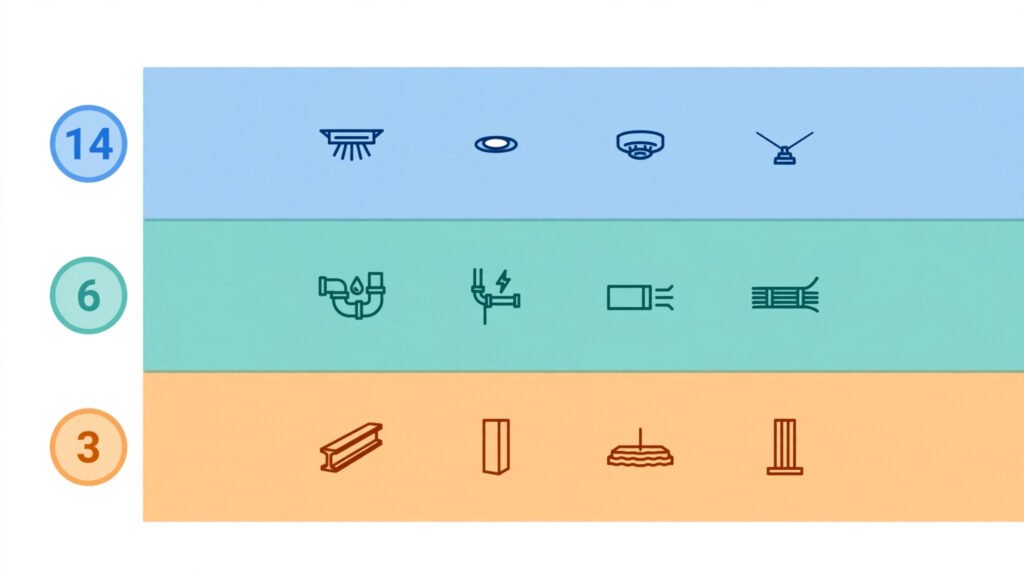
- Main-rate writing down allowance: 14% from 1 April 2026 for companies (6 April for individuals). It was 18%.
- Integral features: 6% a year.
- SBA: 3% a year for 33⅓ years, for construction contracts signed on or after 29 October 2018.
- 40% first-year allowance: new, unused main-rate plant bought from 1 January 2026.
- The Autumn Budget is on 28 October 2026, so recheck rates afterwards.
This guide is general information, not tax advice.
What are capital allowances on commercial property?
Capital allowances are tax relief on assets a business buys and keeps. You deduct part or all of the cost from your profits, so you pay less Corporation Tax or Income Tax. They are not automatic. You must claim them.
On commercial property, the relief comes in three forms: plant and machinery (including fixtures), integral features, and SBA. Many owners only think of the first.
Can you claim on the building itself?
Partly. Walls, roofs and floors don’t qualify as plant, and land never qualifies. But SBA gives relief on construction, renovation and conversion costs for non-residential buildings, if the work was contracted recently enough.
Who can claim?
You need a qualifying activity, such as a trade or a commercial letting business, and you must have paid for the asset. Owner-occupiers, landlords and tenants who fund their own fit-out can all qualify.
Homes are different. GOV.UK says you can’t claim on items for use in dwellings, except communal areas of blocks of flats. The commercial part of a mixed-use building can still qualify.
How you hold the property matters too, because full expensing is for companies only. Our guide to moving from sole trader to limited company is a useful starting point if you are weighing a switch.
What can you claim on? The three buckets
Three kinds of spending qualify: plant and machinery, integral features, and structures and buildings. Each has its own rate.
Plant and machinery (including fixtures)
This covers equipment used in the business, plus fixtures that work as apparatus rather than as part of the building shell. Examples include fitted kitchens, fire alarms, CCTV, shop fittings, office furniture and IT equipment. Most go in the main pool.
Integral features
Integral features are building services. GOV.UK lists six:
- lifts, escalators and moving walkways
- space and water heating systems
- air-conditioning and air cooling systems
- hot and cold water systems (not toilet and kitchen facilities)
- electrical systems, including lighting
- external solar shading
They sit in the special rate pool at 6%. One trap: if you spend more than half the cost of replacing a whole system within 12 months, the spend counts as capital, not repairs.
Structures and buildings allowance (SBA)
SBA gives 3% a year, in a straight line, for 33⅓ years. All construction contracts must have been signed on or after 29 October 2018, and the building must be used for a qualifying activity.
Eligible costs include design fees, site preparation, construction, renovation, conversion and fitting-out works. Land, planning permission, finance costs, legal fees, landscaping, homes and anything that qualifies as plant are excluded. You also need an allowance statement, and a later buyer must get a copy.
| Relief | Covers | Rate | Key condition |
|---|---|---|---|
| Plant and machinery | Equipment, fixtures, fittings | 14% main pool, or AIA/first-year allowance | Used in the business, not in a dwelling |
| Integral features | Lifts, heating, cooling, water, electrics, solar shading | 6% special rate | 50% replacement test |
| SBA | Construction, renovation and conversion of non-residential structures | 3% for 33⅓ years | Contracts on or after 29 Oct 2018; allowance statement |
Current rates and allowances (2026/27)
The main writing down rate fell from 18% to 14% in April 2026, and a 40% first-year allowance began on 1 January 2026. Which relief you get depends on what you buy and who you are.
Annual investment allowance (AIA)
AIA gives 100% relief in the year of purchase, up to £1 million. It works on second-hand assets, so it is the key relief for fixtures bought with a used building. It excludes cars and leased assets, and it must be claimed for the period in which the money is spent.
Full expensing and the 40% first-year allowance
Full expensing is for companies. It gives 100% relief on new, unused main-rate plant, plus a 50% first-year allowance on new special-rate items such as integral features.
The 40% allowance is open to any business. It covers new, unused main-rate plant bought on or after 1 January 2026, but not cars. The other 60% goes into the main pool. Neither relief applies to second-hand fixtures.
Writing down allowances (WDA)
WDA spreads relief over several years on a reducing balance: 14% for the main pool, 6% for the special rate pool. If your accounting period straddles the April 2026 change, you use a hybrid rate. Long-life assets (25 years or more) go into the special pool once they pass £100,000 in a period.
On £100,000 of main-pool spend, 14% gives £14,000 in year one and £12,040 in year two. At the old 18%, it was £18,000 and £14,760.
Which relief applies when?
| Situation | Usual best relief | Watch for |
|---|---|---|
| Second-hand building, any owner | AIA, then 14% or 6% WDA | Election and pooling rules |
| New equipment, company | Full expensing (100%) | New and unused only |
| New equipment, individual or partnership | AIA, then 40% first-year allowance | No full expensing |
| New integral features | AIA; companies can use the 50% first-year allowance; rest at 6% | Slow relief above the limit |
| Construction or renovation | SBA at 3% | Clawback on sale |
You can claim less than the maximum in any year.
Buying commercial property: what buyers must do
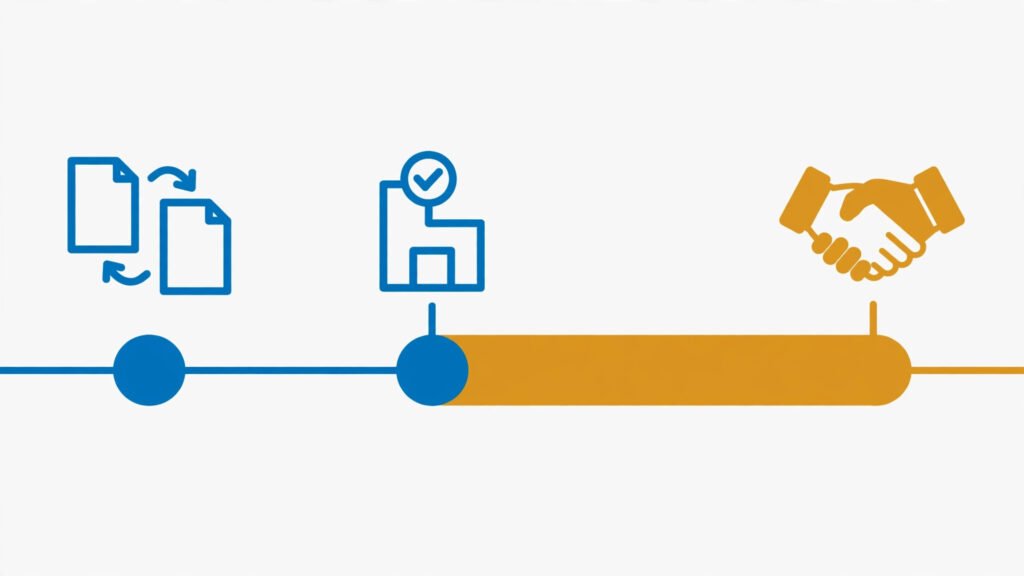
A buyer can claim on second-hand fixtures only if two tests are met. The seller must have pooled the fixtures, and both sides must agree their value within two years of completion. Miss either test and the buyer’s claim is nil. Later buyers lose out too.
The fixed value requirement
Buyer and seller must agree how much of the price is for fixtures. They do this with a joint section 198 election under the Capital Allowances Act 2001, or by asking the First-tier Tribunal to decide. The deadline is two years from purchase. Agree it in the contract, because it is much harder afterwards.
The pooling requirement
Since April 2014, a seller who could claim must have pooled the fixtures spend before the sale. If the seller couldn’t claim, such as a charity, the buyer can usually still claim, but needs written confirmation and details of any earlier disposal value. Buying new from a developer is generally outside these rules.
Due diligence checklist
- Ask for the seller’s answers to the capital allowances questions in CPSE.1, the standard commercial property enquiries.
- Request their claim history, pool balances and any earlier section 198 elections.
- Get the SBA allowance statement for works after 29 October 2018.
- Write the election and pooling confirmation into the contract.
- Consider splitting out chattels, which carry no SDLT.
Worked example
A company buys a second-hand office for £2 million. A survey puts £400,000 (20%) on fixtures, and both sides sign an election at that figure. For scale, Yewell Consulting figures quoted by Menzies LLP put fixtures at 15–30% of an office’s price, 2–25% for retail, 2–20% for industrial and 15–50% for hotels.
If AIA is available, the company deducts £400,000 in year one. At a 25% Corporation Tax rate, that saves about £100,000. If AIA is used up and everything is an integral feature, the year-one deduction is £24,000, saving about £6,000. Same building, very different cash flow. These figures are illustrative.
Selling commercial property
Sellers should fix the fixture value in writing before completion. The usual route is a section 198 election at £1 per pool, so the seller keeps the allowances already claimed and avoids a balancing charge. Without a fixed value, HMRC may argue a charge arises. If the sale closes a pool, a balancing allowance may arise instead.
Check for unclaimed fixtures first. They must be pooled before a buyer can claim, and a buyer paying higher-rate tax may value the allowances more.
SBA works differently. Hand the allowance statement to the buyer. The SBA you claimed is added to your sale proceeds, which can raise your gain, whereas plant allowances don’t change it. If the property is part of a wider disposal, see our guide on how to sell a small business.
Construction, refurbishment and fit-out
Plan before contracts are signed. Early advice lets you “design in” allowances through component choices and contract wording.
Split the budget three ways: structure (SBA), integral features (6%) and plant (AIA or first-year allowances). Keep dated contracts, because the earliest construction contract date decides SBA eligibility. SBA also can’t be claimed on costs covered by a grant or contribution.
Tenants who pay for fit-out may claim on qualifying items, so record who paid and what the lease says. Equipment bought on hire purchase generally counts as yours for allowances, but leased equipment usually belongs to the lessor. Our asset finance guide covers the options.
How to claim (and time limits)
You claim in your tax return, backed by records. Follow these steps:
- Confirm you have a qualifying activity and paid for the asset.
- Gather contracts, elections, the seller’s enquiry answers, invoices and allowance statements. Our record keeping guide covers the basics.
- Identify and value qualifying items. A capital allowances survey, usually by a surveyor working with a tax adviser, helps.
- Sort costs into the main pool, special rate pool and SBA.
- Choose the relief. You can claim less than the maximum.
- Include the claim in your company tax return or Self Assessment return. New to it? See how to register for Self Assessment.
Time limits
Time limits are tighter than some advisers suggest. For companies, claims can be made or amended up to the first anniversary of the return’s filing date, normally two years after the period ends. The section 198 election has its own two-year limit.
Some firms say there is no time limit. That is only partly true. Ordinary allowances on older purchases can often still be claimed while you still hold the assets, but AIA can’t be claimed late, and the fixtures rules can block a claim.
Mistakes that cost relief
- Missing SBA because “the building doesn’t qualify”.
- Missing the two-year election deadline or the pooling requirement.
- Modelling with the old 18% rate.
- Assuming full expensing or the 40% allowance works on second-hand fixtures.
- Claiming SBA on land, legal fees or planning costs, or forgetting the clawback on sale.
FAQs
Can you claim capital allowances on a commercial building?
Not on the structure as plant, and never on land. You can claim on fixtures, integral features and, if contracts were signed on or after 29 October 2018, SBA at 3% a year.
What is the SBA rate?
3% a year, in a straight line, over 33⅓ years. It was 2% before April 2020.
What is a section 198 election?
A joint election by buyer and seller that fixes the part of the price paid for fixtures. It sets the seller’s disposal value and the buyer’s qualifying cost, and must be made within two years of the sale.
What if the seller has already claimed?
The buyer can still claim, but only on the value agreed in the election, and only if the seller pooled the fixtures.
Is there a time limit for claiming?
Yes. AIA must be claimed for the year of spend, company claims normally close about two years after the period ends, and the election has its own two-year limit.
Does it apply to leasehold property?
Yes, but who can claim depends on who paid and the lease terms. A tenant funding fixtures may claim, and a lease of 35 years or more can move the SBA claim to the tenant in some cases.
When to get specialist advice
Get advice before heads of terms on a purchase, before a sale, and before signing construction contracts. Many specialists charge a share of the tax saved, so check the fee, the scope and who defends the claim if HMRC opens an enquiry.
Rates may change at the 28 October Budget, so recheck GOV.UK’s capital allowances guide and SBA guidance before you act.