


Apprenticeship funding in the UK changed hands in 2026. Responsibility for apprenticeships and Skills England moved from the Department for Education to the Department for Work and Pensions, and the old Apprenticeship Levy is being replaced by the Growth and Skills Levy. If you’re trying to work out what your business can actually claim, here’s the short version: most employers with apprentices under 25 pay nothing towards training, employers over the £3 million payroll threshold still pay 0.5% into a levy pot, and a new £2,000 hiring grant lands for small businesses from October 2026. The rest of this guide walks through exactly how much you’ll pay, how to claim it, and where the rules catch employers out.
> How much is the apprenticeship grant for UK employers in 2026? Most small employers pay nothing for apprentices aged 16–24 (100% government-funded training from August 2026), or 5% co-investment for apprentices 25 and over. A £1,000 incentive applies for 16–18-year-olds, rising to £2,000 for non-levy SMEs from October 2026. Levy payers draw from a 0.5% payroll levy, now called the Growth and Skills Levy.
The 2026 Landscape: From Apprenticeship Levy to Growth and Skills Levy
What is the Growth and Skills Levy?
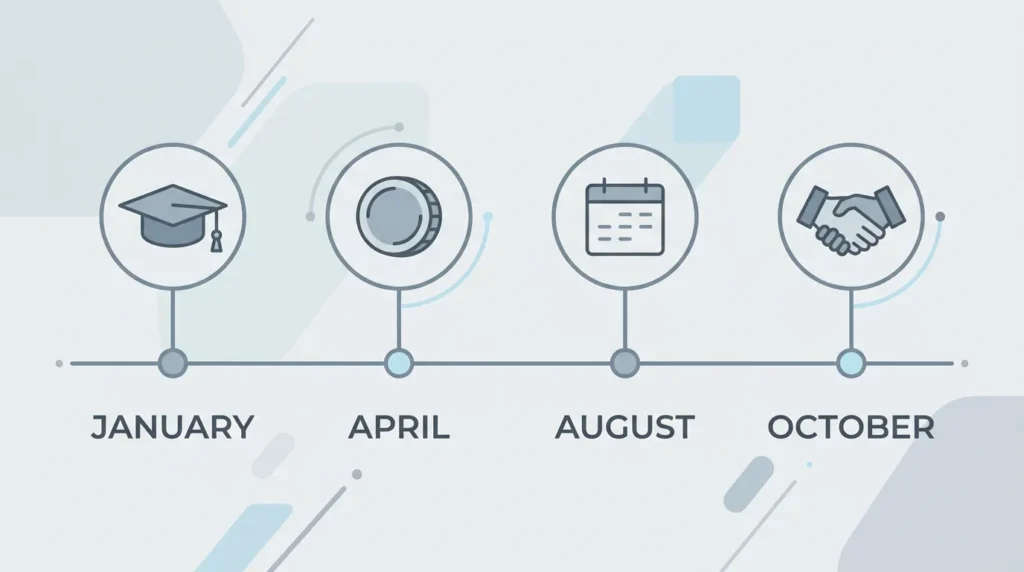
The Growth and Skills Levy is the direct replacement for the Apprenticeship Levy, effective from April 2026. It keeps the same basic mechanics: employers with an annual UK pay bill above £3 million pay 0.5% of that pay bill into a digital account, with a £15,000 annual allowance offsetting the charge. What’s changed is what the money can buy. Instead of funding only full apprenticeship standards, employers can now spend levy funds on short “apprenticeship units,” modular training blocks of 30 to 140 hours aimed at specific skills gaps such as AI, cybersecurity, solar PV installation and electrical fitting.
The bigger structural change is who runs the scheme. In September 2025, the government moved apprenticeships, adult skills and the newly formed Skills England agency out of the Department for Education and into the Department for Work and Pensions. Skills England, which replaced the Institute for Apprenticeships and Technical Education in June 2025, now sits under DWP and publishes the official minimum training-hour requirements and standard specifications that used to live in DfE’s Annex C. If you’re reading older guides that still describe DfE as the body running apprenticeship funding, that information is out of date.
Key Changes for the 2026/2027 Academic Year
The apprenticeship funding rules covering starts from 1 August 2026 to 31 July 2027 bring several changes that directly affect employer costs:
- Oversight moves to DWP. The 2026/2027 rules are the first published under the Department for Work and Pensions rather than the DfE.
- Co-investment rises for levy-exhausted employers. From 1 August 2026, employers who run out of levy funds pay 25% towards training costs (up from 5%), with government covering 75%.
- Full funding extends to under-25s. Non-levy employers now get 100% funded training for apprentices aged 16 to 24, up from the previous 16-to-21 cut-off.
- Levy funds expire faster. The window to spend levy money shrinks from 24 months to 12 months from April 2026.
- Level 7 (master’s-level) restrictions. From January 2026, new Level 7 apprenticeship starts are no longer funded for apprentices aged 22 and over, except care leavers and those with an Education, Health and Care Plan, up to age 24 or 25.
- 16 standards defunded from September 2026, including several Team Leader, Operations Manager and Coaching Professional standards.
- The 10% top-up on transferred levy funds is being removed from 1 August 2026, so transfers to other employers no longer receive the government uplift they previously did.
How Much Apprenticeship Funding Can Your Business Get in 2026?
Group A: Non-Levy Employers (SMEs with a Wage Bill Under £3m)
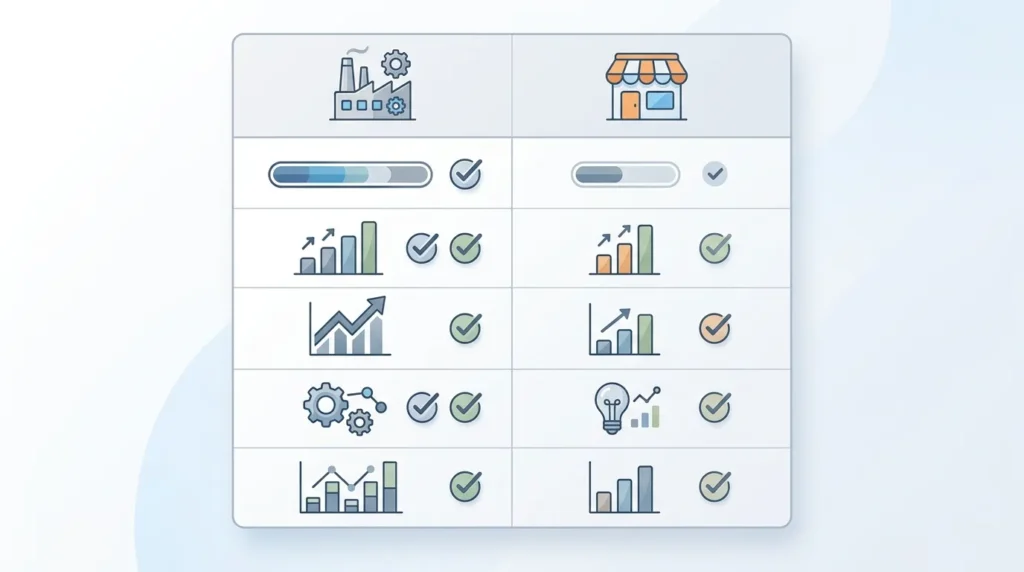
If your annual pay bill is under £3 million, you don’t pay into the levy at all. Instead, you access funding directly through your apprenticeship service account. For apprentices aged 16 to 24, training is fully government-funded from August 2026. For apprentices aged 25 and over, you pay a 5% co-investment towards training costs, with government covering the remaining 95%, up to the funding band maximum for that standard.
Group B: Levy-Paying Employers (Wage Bill Over £3m)
If your pay bill exceeds £3 million, 0.5% of it is collected as levy, with a £15,000 annual allowance reducing what you actually pay. Those funds sit in your apprenticeship service account and can be spent on apprenticeship training, assessment, and now apprenticeship units. Once your levy pot runs dry, you move into co-investment for any further training that year.
The Co-Investment Rule Explained
Co-investment is the share of training cost you pay once your levy funds are exhausted, or if you never paid the levy in the first place and your apprentice is 25 or over. Until 31 July 2026, that rate is 5%, with government paying 95%. For apprenticeships starting from 1 August 2026, levy-exhausted employers move to 25% co-investment, with government paying 75%.
Here’s what that looks like in cash terms for two common funding bands:
| Standard funding band | Your cost before 1 Aug 2026 (5%) | Your cost from 1 Aug 2026 (25%) | Government pays |
|---|---|---|---|
| £10,000 standard | £500 | £2,500 | £7,500–£9,500 |
| £20,000 standard | £1,000 | £5,000 | £15,000–£19,000 |
Non-levy SMEs taking on an apprentice under 25 sidestep this entirely, since that training is fully funded regardless of the date. The 25% rate is specifically for levy-paying employers whose funds have run out. Guidance on whether the same increase applies to non-levy employers with apprentices aged 25 and over was still being finalised at the time of writing, so check your apprenticeship service account before budgeting on the old 5% figure for that group.
100% Funding: Who Qualifies for Free Apprenticeship Training?
You get fully funded training if any of the following apply:
- You’re a non-levy employer (payroll under £3 million) and your apprentice is aged 16 to 24, for starts from 1 August 2026.
- You’ve received a levy transfer that covers 100% of the funding band maximum from another employer.
- Your levy account has enough funds to cover the full cost of training without dipping into co-investment.
Are There Direct Cash Incentives and Grants Left in 2026?
Yes. Three separate cash incentives are running in 2026, and they can be claimed on top of the training funding above.
Age-Related Funding Incentives (16–18 and Care Leavers)
Employers recruiting an apprentice aged 16 to 18, or aged 19 to 24 with an Education, Health and Care Plan or care leaver status, receive a £1,000 incentive payment. It’s paid in two instalments of £500, usually at day 90 and at the 12-month mark, and it goes to you via your training provider rather than through your apprenticeship service account. This applies whether you pay the levy or not.
Additional Support for Smaller Employers
From 1 October 2026, non-levy SMEs recruiting an apprentice aged 16 to 24 can claim a new £2,000 grant, provided the apprentice joined the business within the previous 90 days of their training start date. It’s paid in two instalments and stacks with the existing £1,000 incentive for 16–18-year-olds where both apply.
There’s also a £3,000 Youth Jobs Grant for hiring an 18–24-year-old who’s been on Universal Credit for six months or more, paid directly to the employer rather than via the provider, in instalments after six and eighteen weeks of employment. Combine a young apprentice hire with these grants and a non-levy employer can, in some cases, take on staff at zero training cost plus several thousand pounds of direct incentive payments. If you haven’t hired before, it’s worth reading through the basics of what’s involved in hiring your first employee in the UK before you commit to a training plan.
How to Claim Your 2026 Apprenticeship Funding (Step-by-Step)
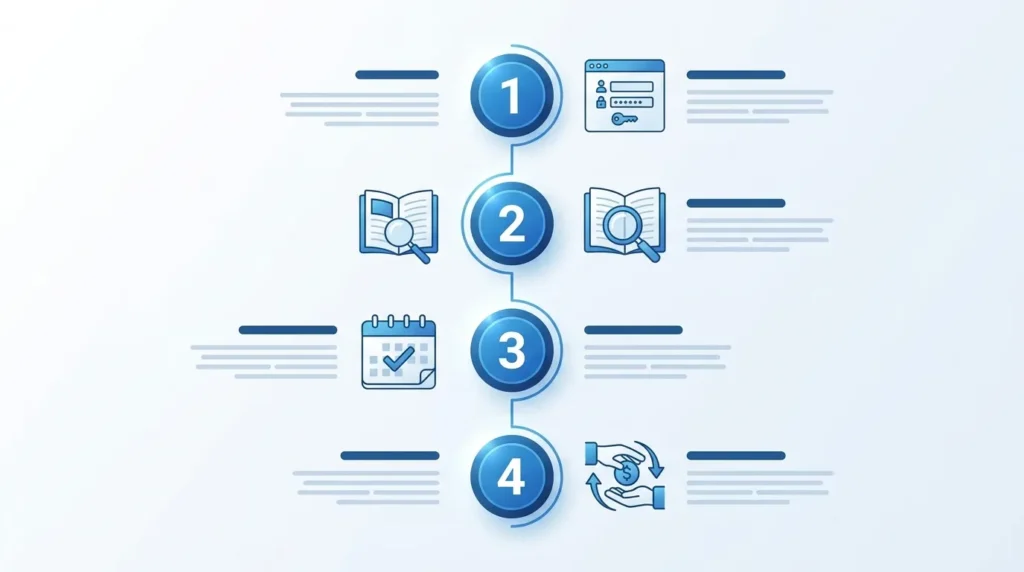
Step 1: Set Up Your Apprenticeship Service Account (DAS)
Register for an apprenticeship service account on GOV.UK using a Government Gateway or GOV.UK One Login. If you pay the levy, you’ll need to add each PAYE scheme your business runs so your levy contributions flow into the right account — this is a common point where employers running payroll for a small UK business miss funds simply because a PAYE reference wasn’t linked.
Step 2: Choose Your Training Provider and Course
Search the approved provider register for a provider delivering your chosen standard or apprenticeship unit. Agree a price with them, within the funding band maximum for that standard, and sign the apprenticeship agreement and training plan together.
Step 3: Reserve Funding (For Non-Levy Employers)
Non-levy employers must reserve funding through their apprenticeship service account before training starts. Reservations aren’t guaranteed indefinitely — the government monitors the volume of reservations across the year and can pause new reservations if the programme is running over budget, so reserve as early as you can once a start date is confirmed.
Step 4: Accessing Levy Transfers (The 50% Transfer Rule)
Levy-paying employers can transfer up to 50% of their unused annual levy funds to another business, including SME supply-chain partners, since this allowance was raised from 25% in April 2024. A receiving employer gets 100% of their training and assessment costs covered up to the funding band maximum. Transfers are arranged through a public pledge or a direct agreement inside the DAS portal, and — as of 1 August 2026 — no longer carry the extra 10% top-up that used to apply
2026/2027 Funding Rules: Critical Compliance & Eligible Costs
Eligible vs. Ineligible Costs
Apprenticeship funding can only be spent on training and assessment: direct delivery costs, materials tied to the standard, and the end-point assessment fee. It cannot be used for apprentice wages, travel, work uniforms, managers’ time supervising the apprentice, or the cost of setting up equipment. Confusing these categories is one of the most common reasons providers flag funding claims for review, so keep training-plan documentation separate from ordinary business expenses you can claim for tax purposes.
Off-the-Job Training Minimum Hours in 2026
Off-the-job training no longer has to work out to 20% of an apprentice’s contracted hours. Since August 2025, each standard has a published minimum number of off-the-job hours, and no apprenticeship can run for less than 8 months or 187 hours, whichever is greater, once any prior learning has been factored in. From August 2026, those standard-specific minimums are published on the Skills England website rather than in the old Annex C document. Get this wrong and the apprenticeship becomes ineligible for funding entirely, so check the published figure for your exact standard before agreeing a training plan, not an assumed percentage of hours worked.
Employers also don’t pay employer Class 1 National Insurance contributions for apprentices under 25 earning below the upper secondary threshold — a saving worth checking against your employer National Insurance rate when you’re costing out a new hire. And if you’re still unsure whether any of this applies to your business at all, it’s worth working through whether the apprenticeship levy applies to you before assuming either way.
Frequently Asked Questions
Is the UK apprenticeship grant still £3,000?
Not as a single blanket payment. The £1,000 incentive for 16–18-year-olds continues, a new £2,000 grant for non-levy SMEs starts October 2026, and a separate £3,000 Youth Jobs Grant exists for hiring young people who’ve been on Universal Credit for six months or more.
How does the Growth and Skills Levy affect SMEs?
Most SMEs don’t pay the levy directly — that only applies over a £3 million pay bill. SMEs benefit from the wider changes through fully funded training for under-25s and the option to receive levy transfers from larger partners.
Do small businesses pay for apprenticeships in the UK?
Only if the apprentice is 25 or over, in which case it’s a 5% co-investment. Apprentices aged 16–24 at non-levy employers are fully funded from August 2026.
How do I get an apprenticeship grant in 2026?
Set up an apprenticeship service account, choose an approved training provider, agree a training plan, and reserve or draw down funding through the DAS portal. Cash incentives are claimed separately through your training provider once employment milestones are reached.
If apprenticeships turn out not to be the right funding route for your growth plans, it’s worth comparing them against other options covered in our guide to UK small business grants, or looking at HR software built for small UK businesses to manage training records and reviews once you’re up and running.