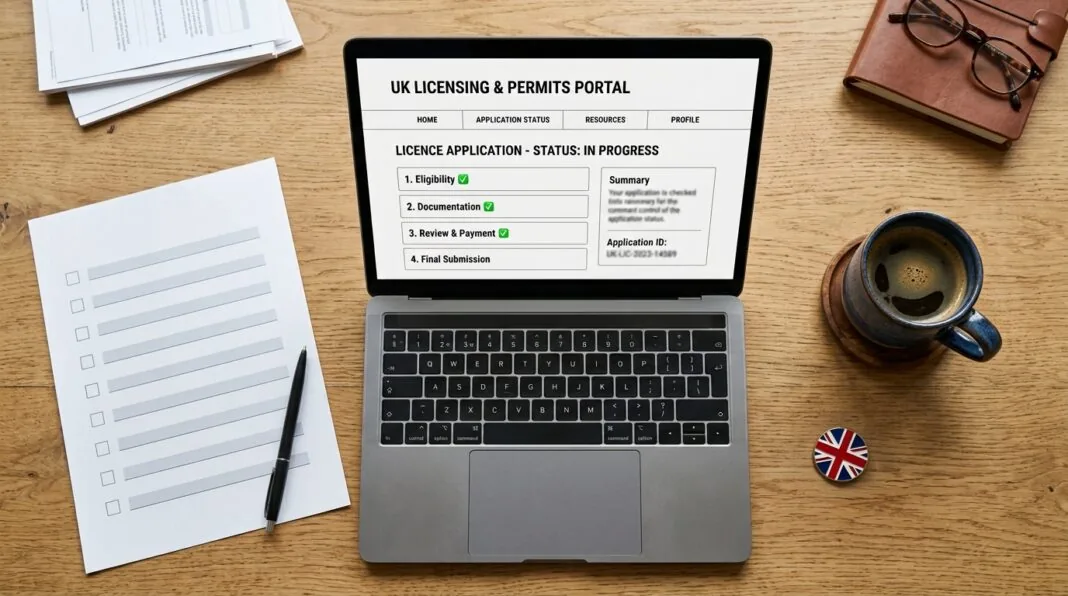

There’s no single “business licence” that every UK company must hold. Whether you need one depends entirely on what you do, where you do it, and how you do it. Sell food, cut hair, walk dogs for money, or trade on the street, and a specific licence probably applies. Sell digital products from a spare room with no visitors and no alcohol involved, and you might not need a trading licence at all — though you’ll likely still have a data protection obligation most guides never mention.
This guide walks through exactly how to find out, what the common licences cost, and what happens if you skip one.
Is There a General “Business Licence” in the UK?
No. In the UK, there is no single, universal “business licence” that all companies must have. Instead, licences are industry-specific and issued by local councils or national regulators, depending on what your business actually does.
Registering a company with Companies House, or registering as self-employed with HMRC, is a separate legal step from licensing. Registration makes your business exist in the eyes of the law. Licensing gives you permission to carry out a specific regulated activity. Many businesses complete registration and never need a licence at all; others need several, layered on top of each other.
The Difference Between Company Registration and Business Licensing
Company registration (via Companies House for limited companies, or as a sole trader through HMRC) confirms your business is legally recognised for tax purposes. It says nothing about whether you’re allowed to carry out a particular trade. A licence, by contrast, is permission from a regulator — a council, the Food Standards Agency, the FCA — to perform a specific activity, in a specific place, often under specific conditions. You can be a perfectly registered limited company and still be breaking the law if you sell alcohol without a premises licence.
Do I Need a Licence? The 3 Critical Deciding Factors
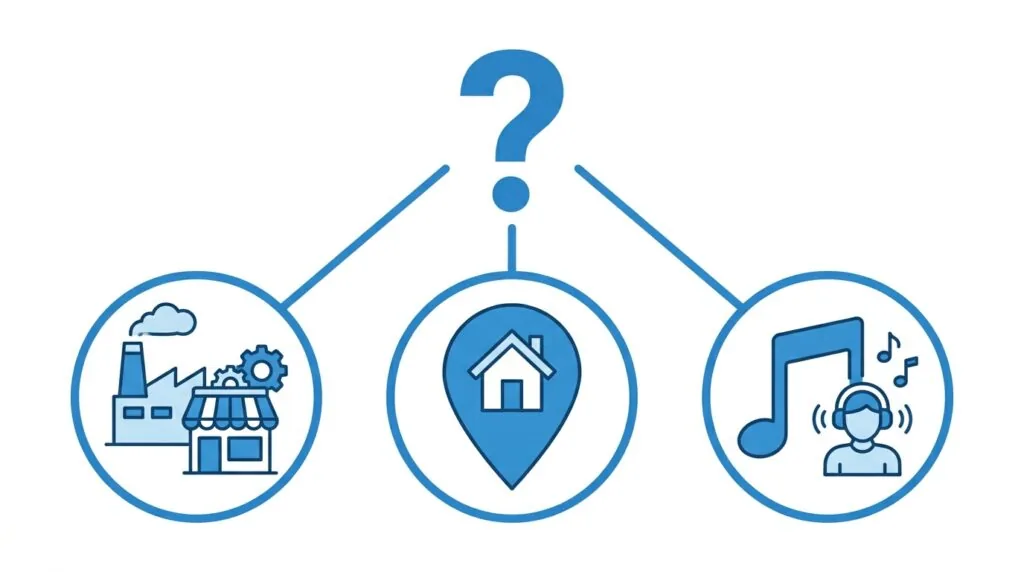
Three questions determine whether you need a licence, and answering them honestly is the fastest way to a clear answer.
1. Your Business Industry or Activity
Certain activities are regulated regardless of business size or turnover. Food service, alcohol sales, taxi driving, tattooing, waste carrying, security work, and financial advice all trigger licensing requirements from day one — even for a single-person operation working a market stall three weekends a month.
2. Your Physical Location (Premises vs. Home-Based)
A fixed shop, restaurant, or salon usually needs a premises-specific licence tied to that address. A market stall or van needs street trading consent from the local authority covering that pitch. Working from home changes the calculation again — covered in detail below.
3. Whether You Employ Staff or Play Music
Hiring staff doesn’t itself require a “licence,” but it does trigger other legal obligations (PAYE registration, employer’s liability insurance, right-to-work checks). Playing music in public — even background radio in a shop — requires a licence from PPL PRS Ltd, regardless of your industry.
Most Common Types of Business Licences in the UK
The table below covers the licences that come up most often, who issues them, and what they typically cost.
| Licence Type | Who Issues It | Typical Cost |
|---|---|---|
| Food Premises Registration | Local council | Free |
| Personal Licence (to sell alcohol) | Local council | £37 |
| Premises Licence (alcohol/entertainment) | Local council | £100–£635 (application), £70–£350/year, higher for alcohol-only premises |
| Street Trading Consent | Local council | Varies by council, often £50–£300 |
| Pavement Licence | Local council | Set by council, capped by law |
| SIA Licence (security work) | Security Industry Authority | £190 |
| Waste Carrier Licence | Environment Agency | £154 (new registration) |
| Music Licence (PPL PRS) | PPL PRS Ltd | Varies by premises size and use |
Food and Hospitality Licences
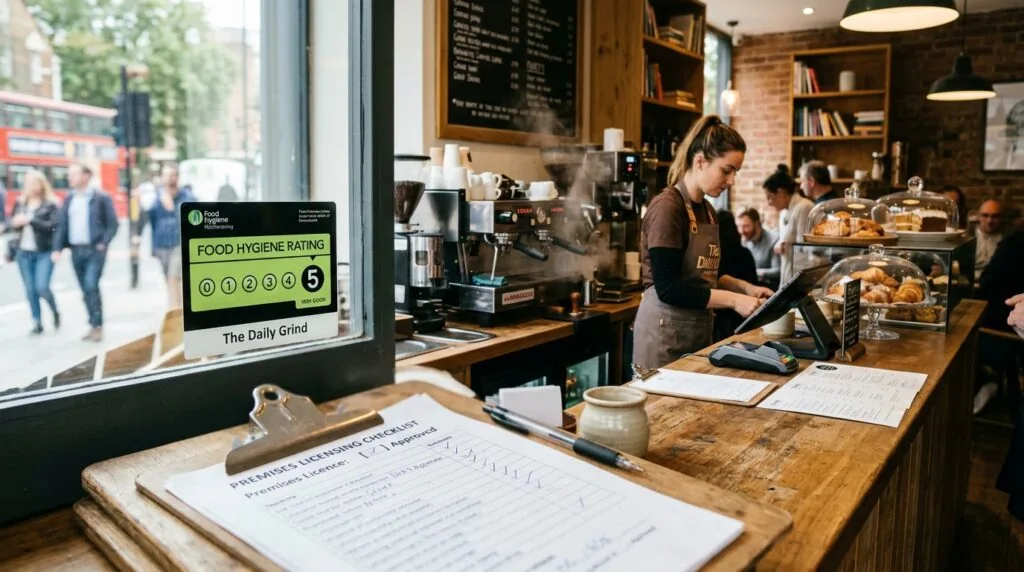
Anyone selling food to the public — a café, a home baker, a street food van — must register as a food business with their local council at least 28 days before trading. Registration itself is free. If alcohol is involved, you’ll need both a premises licence (covering the location) and a personal licence held by whoever authorises the sales, known as the Designated Premises Supervisor.
Retail and Street Trading Licences
Selling from a fixed shop generally doesn’t need a separate “retail licence” beyond standard business registration, unless you’re selling age-restricted goods (alcohol, tobacco, knives, fireworks) or trading on public land, which requires street trading consent from the local council. Putting tables and chairs on the pavement outside a café requires a pavement licence.
Professional, Health, and Personal Care Licences
Tattooing, body piercing, and acupuncture require registration with the local council under public health rules. Massage and other “special treatments” often need a council licence too, and requirements vary noticeably between boroughs. Dog walking and pet sitting for payment fall under the Animal Activities Licensing regime in some circumstances, particularly if animals are boarded overnight. Financial services — advice, lending, insurance broking — require FCA authorisation, a far more involved process than a standard council licence.
Entertainment, Media, and Music Licences
If music is played anywhere customers or staff can hear it — a shop, gym, café, or waiting room — you need a licence from PPL PRS Ltd, which covers both the recording rights and the songwriting rights. This applies even to background radio and even to very small premises.
Special Case: Do Online and Home-Based Businesses Need a Licence?
Most home-based and online businesses don’t need a trading licence in the traditional sense — unless they fall into a regulated category above. But two areas catch people out repeatedly, and competitors covering this topic tend to skip both.
Working From Home: Planning Permission and Tenancy Agreements
Running a business from home doesn’t automatically require council planning permission. It becomes relevant if the nature or scale of the business changes how the property is used — regular client visits, deliveries, noise, or converting a garage into a workshop can all trigger a “change of use” review under planning law. Separately, and often overlooked entirely, check your tenancy agreement or mortgage terms before you start. Many standard residential tenancies and mortgage conditions restrict or ban running a business from the property, and breaching that clause has nothing to do with government licensing — it’s a contractual issue with your landlord or lender that can put your home at risk. Our guide to running a business from home in the UK breaks down what to check before you start.
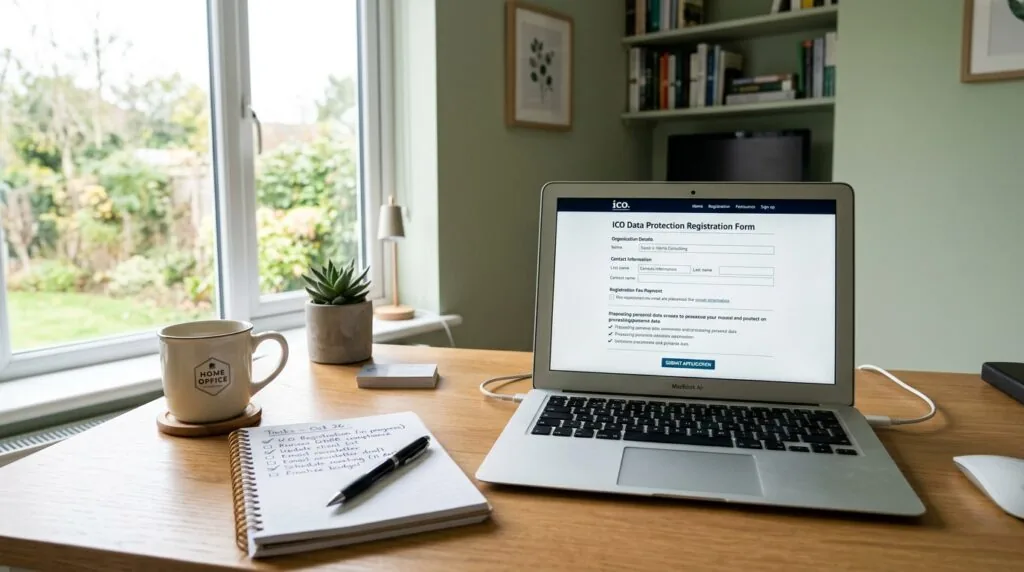
E-commerce and the ICO Data Protection Registration
This is the gap almost every competing guide leaves open. If your business processes personal data electronically — customer names, email addresses, delivery details, even a basic mailing list — you are very likely required to register with the Information Commissioner’s Office and pay the annual data protection fee. This applies to sole traders and one-person limited companies just as much as larger firms, and it is separate from GDPR compliance generally; it’s a specific statutory fee under the Data Protection Act 2018.
The fee is tiered: £52 a year for micro-organisations (10 or fewer staff, or turnover under £632,000), £78 for small and medium organisations, and £3,763 for larger organisations — each reduced by £5 if paid by direct debit. Failing to register when required can result in a fixed penalty of £400 to £4,000, separate from any wider GDPR enforcement action. Read our full breakdown of the ICO data protection fee to check which tier applies to you and whether an exemption covers your business.
How to Find and Apply for a UK Business Licence
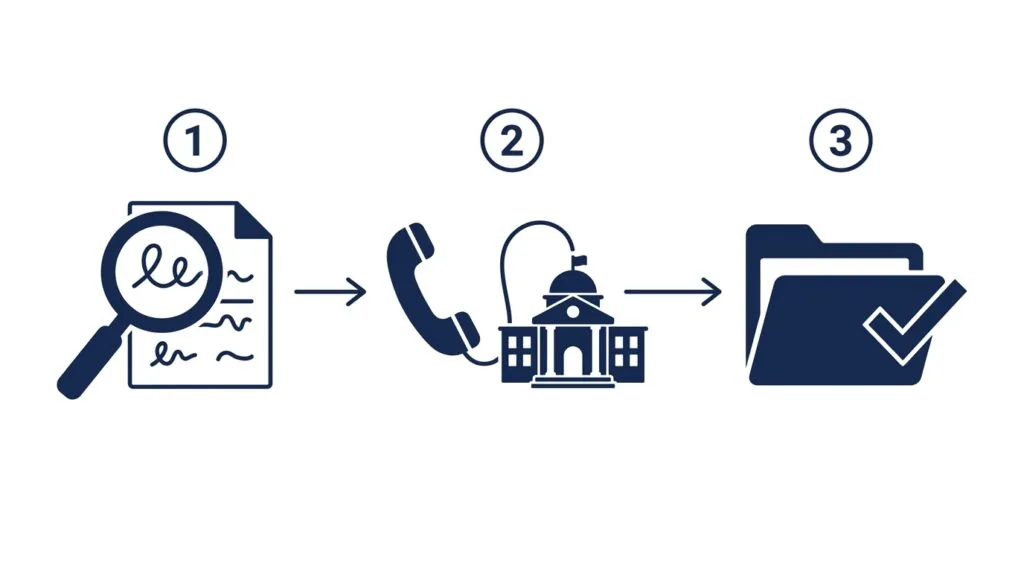
Working out exactly what you need takes three steps.
- Use the official Gov.uk Licence Finder tool. Enter your business type and postcode, and it lists every licence likely to apply to your specific activity and location.
- Contact your local authority. Licensing rules for food, alcohol, street trading, and personal care services are administered locally, and requirements vary between councils even for the same activity. Your council’s licensing team can confirm exact fees and processing times for your address.
- Prepare your documentation and fees. Most applications need proof of identity, a floor plan or premises description where relevant, public liability insurance details, and the application fee. Processing typically takes several weeks, so apply well before your planned trading date — food registration alone requires 28 days’ notice.
What Happens If You Trade Without the Right Licence
Trading without a required licence carries more risk than a simple fine. Under most licensing regimes, operating without the correct licence can result in unlimited fines, prosecution, and can void your business insurance entirely. If you’re sued by a customer or member of the public while trading illegally, your public liability or professional indemnity insurer can lawfully deny the claim, because you were operating outside the terms your policy assumed. That leaves you personally exposed to legal costs and damages that insurance would otherwise have covered. It’s worth reviewing what UK business insurance you actually need alongside your licensing checklist, since the two are directly linked.
Common Mistakes and Edge Cases
A few situations trip up otherwise careful business owners:
- Assuming a “home business” exemption exists. There is no blanket exemption for home-based trading — the same industry-specific rules apply, they just interact with planning and tenancy law too.
- Forgetting to renew. Personal and premises licences, and the ICO fee, are annual or renewable obligations, not one-off purchases. Lapses are treated the same as never having applied.
- Assuming a sole trader is exempt. Sole traders need the same licences as limited companies for the same activity. Business structure has no bearing on licensing requirements — only the activity does. See our guide on registering as a sole trader in the UK if you haven’t formalised your structure yet.
- Ignoring pop-up or temporary trading. A one-off market stall, pop-up shop, or single event still typically needs a Temporary Event Notice or street trading consent — “temporary” doesn’t mean “unlicensed.”
- Overlooking niche regulators. Businesses in childcare, private hire vehicles, waste handling, and money services each answer to a specific national regulator, not the general council licensing team.
Frequently Asked Questions
What happens if I trade without a licence in the UK?
You risk unlimited fines and prosecution under the relevant licensing act, and your public liability or professional indemnity insurance can be voided, leaving you personally liable for any claim.
How much does a UK business licence cost?
It depends entirely on the licence. Food business registration is free. A personal alcohol licence costs £37. A premises licence ranges from £100 to £635 to apply, plus an annual fee of £70 to £350 (higher for premises focused on alcohol sales). Sector-specific licences like SIA registration or waste carrier licences have their own separate fee schedules.
Do sole traders need a business licence?
Yes, if their activity falls into a regulated category. Being a sole trader rather than a limited company makes no difference to whether a licence is required — only the nature of the business activity does.
Do I need a licence to sell online in the UK?
Not usually a trading licence, unless you sell regulated goods (alcohol, certain cosmetics, weapons). However, if you collect customer data — which almost every online seller does — you likely need to register with the ICO and pay the data protection fee.