

Section 455 tax is a corporation tax charge on money a close company lends to a director or shareholder and does not get back in time. From 6 April 2026 the rate is 35.75% for new loans. You can reclaim it once the loan is cleared, but HMRC does not refund it quickly.
Last checked: 21 September 2026. HMRC’s own guidance page may still show the older 33.75% figure. The legislation applies the new rate to loans made on or after 6 April 2026.
Quick answer
- What it is: a corporation tax charge on unrepaid loans to participators (section 455, Corporation Tax Act 2010).
- Who pays: the company, not the director.
- Rate: 35.75% for loans made on or after 6 April 2026. It was 33.75% for loans made from 6 April 2022 to 5 April 2026.
- Trigger: the loan is still outstanding nine months and one day after the company’s accounting period ends.
- Reclaim: yes, once the loan is repaid, written off or released.
What is section 455 tax?
Section 455 tax (s455 tax) is a temporary corporation tax charge. It applies when a close company lends money to a participator, or to an associate of one, and the loan is still unpaid at the deadline.
A close company is usually controlled by five or fewer shareholders, or by its directors. A participator is generally a shareholder. An associate can be a spouse, a relative or a business partner.
Most owner-managed limited companies are close companies. So if you run one and take money out that is not salary, a dividend or an expense claim, s455 may apply to you.
Why HMRC charges it
Without s455, a director could take cash out as a “loan” and never pay income tax or dividend tax. The charge stops that. It works like a deposit with HMRC. You get it back when the loan is cleared.
Money in a director’s loan account (DLA) moves both ways. The charge only applies when the account is overdrawn, meaning the director owes the company. If the company owes you, s455 is not a concern.
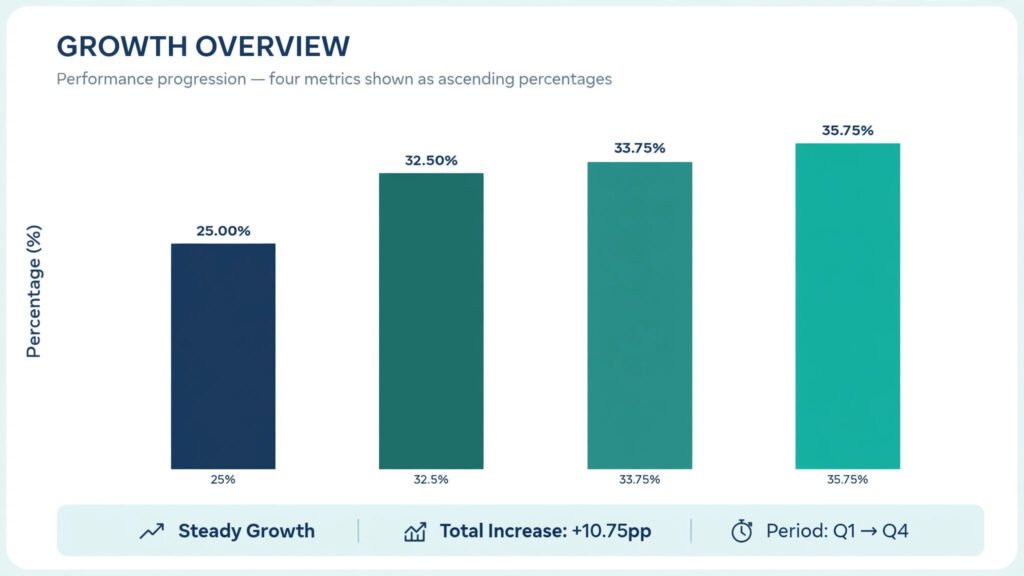
The s455 rate: 35.75% from 6 April 2026
The s455 rate follows the dividend upper rate. That rate rose from 33.75% to 35.75% from 6 April 2026, and the s455 rate moved with it.
| Date the loan was made | s455 rate |
|---|---|
| Before 6 April 2016 | 25% |
| 6 April 2016 to 5 April 2022 | 32.5% |
| 6 April 2022 to 5 April 2026 | 33.75% |
| On or after 6 April 2026 | 35.75% |
Which rate applies if you borrowed either side of April 2026?
The rate depends on when each loan was made, not on your year end. A company with a June 2026 year end can hold loans taxed at both rates.
That matters when you repay only part of a balance. If you do not say which loan you are repaying, HMRC generally treats repayments as clearing the oldest loans first. That leaves the newer, higher-rate loan outstanding.
When is s455 tax due?
S455 tax is due nine months and one day after the end of your company’s accounting period. That is the same date your corporation tax is due.
If the loan is fully repaid by that date, no s455 tax is payable. If not, the company pays the charge on the amount still outstanding.
For example, a company with a 31 March 2027 year end has until 1 January 2028. A director who owes £30,000 on that date leaves the company with a bill of £10,725 (£30,000 × 35.75%).
If the charge is paid late, HMRC adds interest until the tax is paid or the loan is repaid. You cannot reclaim that interest later.
The company reports loans to participators on form CT600A, which goes with the company tax return. It must file it if a director’s loan was outstanding at the period end.
Are any loans exempt from s455 tax?
Yes, but the exceptions are narrow.
- Small loans to non-owners. Loans up to £15,000 are outside s455 when made to a full-time employee or director who owns no more than 5% of the company. Most owner-directors hold more than that.
- Money-lending companies. Loans made in the ordinary course of a lending business are excluded.
Ordinary expenses you repay, or business costs the company pays for you, do not create a loan. The problem starts when personal spending is charged to the DLA.
Worked examples
Example 1: a single loan. On 1 May 2026, a company lends its director £20,000. The year end is 31 March 2027. The loan is unpaid on 1 January 2028. The company pays £7,150 (£20,000 × 35.75%).
Example 2: loans at two rates. A director owes £25,000 drawn before April 2026 and £15,000 drawn after. Before the deadline, she repays £27,000.
| Repayment applied to | Balance left | Rate | s455 charge |
|---|---|---|---|
| Oldest loan first (HMRC’s default) | £13,000 of the newer loan | 35.75% | £4,647.50 |
| Newer loan first | £13,000 of the older loan | 33.75% | £4,387.50 |
The gap is £260 on the same repayment. Ask your accountant whether you can document how repayments are allocated, and record it at the time.
How to avoid s455 tax
The simplest way is to clear the loan before the deadline. There are four routes.
- Repay in cash. Pay the balance back from personal funds. Keep the bank record.
- Declare a dividend. Apply it against the loan. The company needs enough distributable reserves, and you need board minutes and a dividend voucher.
- Pay salary or a bonus. Use it to offset the balance. This goes through PAYE, with income tax and National Insurance.
- Reduce the balance in stages. Track it monthly so the year-end figure does not surprise you.
Each route swaps s455 for another tax cost. A dividend is taxed on you personally and cannot be reclaimed. If you are a basic-rate taxpayer, the dividend ordinary rate of 10.75% is far below 35.75%. A higher-rate taxpayer faces a similar rate either way, but s455 is at least refundable. Compare the options before choosing.
The 30-day “bed and breakfasting” rule
You cannot repay a loan on paper and borrow again straight away. If you repay £5,000 or more and take a new loan of £5,000 or more within 30 days, HMRC matches the two. The repayment does not count as clearing the original loan.
There is a second rule for larger sums. If a loan of £15,000 or more is repaid while you plan to take out money again, HMRC can treat the repayment as a sham.
Common mistakes
- Repaying just before year end, then redrawing the cash after the year end.
- Declaring a dividend when there are no distributable profits.
- Ignoring how repayments are allocated across loans at different rates.
- Relying on old HMRC guidance for the rate.
Keep your DLA up to date in your bookkeeping. Any decent free accounting software for UK small businesses will show you the balance at any point in the year.
How to reclaim s455 tax
You can reclaim s455 tax once the loan is repaid, written off or released. The company makes the claim, not the director. Claim within four years of the end of the accounting period in which the loan was cleared.
- Clear the loan and record the date.
- Work out which accounting period contains that date.
- Wait until nine months and one day after that period ends.
- Claim on the right form (below).
CT600A or L2P?
| Situation | Form |
|---|---|
| Claiming within 2 years of the end of the period the loan was taken out | CT600A, with the company tax return |
| Claiming later, or amending in writing | Form L2P |
Timing catches people out. Suppose you repay in February 2028 and the year end is 31 March 2028. The relief is not due until 1 January 2029. Treat any expected refund as money you do not have yet. HMRC does not repay the interest on the late payment of the original charge.
If you repay only part of the loan, you can normally claim relief on that part.
Other tax on the same loan
The s455 charge is not the only tax to check.
Loans over £10,000: benefit in kind
If you owe the company more than £10,000 at any point in the tax year, HMRC treats the loan as a benefit in kind. The company reports it on form P11D and pays Class 1A National Insurance at 15%. You may pay income tax on the difference between the official rate of interest and what you paid. Check HMRC’s current official rate before you calculate.
Loans over £10,000 also need shareholder approval under the Companies Act 2006. This is company law, not tax, so ask your adviser about it.
If the loan is written off
Writing off a loan does not make the tax problem vanish. The company can reclaim the s455 charge, but you may owe income tax on the amount written off through Self Assessment. The company may also have to deduct Class 1 National Insurance through payroll. If you are new to filing, see how to register for Self Assessment.
If the company closes or becomes insolvent
A liquidator treats an overdrawn DLA as money owed to the company and will ask for it back. If you cannot pay, they may take legal action. Read up on closing a limited company before you wind things down.
Your wider duties as an officer also matter. See our guide to company director responsibilities.
FAQs
Who pays s455 tax, the company or the director?
The company pays it, through its corporation tax return. The director is not personally liable for the s455 charge. The director may have separate personal tax on the loan.
What is the s455 tax rate for 2026/27?
It is 35.75% for loans made on or after 6 April 2026. Loans made from 6 April 2022 to 5 April 2026 stay at 33.75%.
When is s455 tax due?
It is due nine months and one day after the end of the company’s accounting period. If the loan is repaid by then, no s455 tax is due.
Can I get s455 tax back?
Yes. The company can reclaim it after the loan is repaid, written off or released. The claim must be made within four years of the end of the accounting period in which the loan was cleared.
How long does an s455 refund take?
The relief is not due until nine months and one day after the end of the accounting period in which the loan was repaid. HMRC then processes the claim, so expect a delay.
Does s455 apply if I am the only director?
Yes, if the company is close and you are a shareholder. Most one-person limited companies are.
Can a dividend clear my director’s loan?
Yes, if the company has enough distributable profits. The dividend is taxed on you personally, so weigh that against the s455 charge.
Does s455 apply if I am a sole trader?
No. It applies only to close companies. If you are thinking of incorporating, see our guide on moving from sole trader to limited company.
This article gives general information and is not tax advice. Rates and rules can change, so confirm your position with a qualified accountant or HMRC before acting.