
Most UK business owners buy either too much insurance or not enough. Too much, and you’re wasting money on cover you’ll never claim on. Not enough, and one lawsuit or one HSE inspection can end the business entirely.
Is Business Insurance a Legal Requirement in the UK?
Direct answer: Only one type of business insurance is a legal requirement in the UK — Employers’ Liability Insurance, and only if you employ staff. No other policy is mandated by law for every business, though some professions and some contracts make certain covers compulsory in practice.
Employers’ Liability Insurance (The Only Statutory Cover)
If you employ one or more people, you are legally required by the Employers’ Liability (Compulsory Insurance) Act 1969 to hold Employers’ Liability (EL) Insurance. This applies from your first hire, even if that person only works part-time or on a casual basis.
The policy pays compensation if an employee is injured or becomes ill because of their work. The law sets a statutory minimum of £5 million of cover, though most insurers offer £10 million as the standard package because serious workplace injury claims can easily exceed the legal floor.
The Health and Safety Executive (HSE) enforces this law. If you’re caught operating without valid EL cover, you can be fined up to £2,500 for every day you were uninsured — not per incident, per day. A separate fine of up to £1,000 applies if you fail to display your certificate of insurance or refuse to show it to an inspector. Directors, managers and company secretaries can be personally prosecuted if the failure to insure resulted from their neglect.
Quick-reference: legally mandatory cover
| Requirement | Detail |
|---|---|
| Who needs it | Any business with at least one employee |
| Minimum cover | £5 million (statutory minimum) |
| Standard market offering | £10 million |
| Governing law | Employers’ Liability (Compulsory Insurance) Act 1969 |
| Enforced by | Health and Safety Executive (HSE) |
| Penalty for non-compliance | Up to £2,500 per day uninsured; up to £1,000 for not displaying the certificate |
| Insurer requirement | Must be an FCA-authorised insurer |
Exceptions to the Employers’ Liability Rule
A small number of businesses are legally exempt from holding EL insurance. This mainly applies to sole traders and partnerships with no employees, businesses where the only “employee” is a director who owns 50% or more of the company’s share capital, and certain public sector bodies.
This is also where most business owners get caught out. If you use subcontractors, you cannot assume they’re automatically excluded from your EL obligations. UK insurance law draws a hard line between two types of subcontractor, and getting this wrong is one of the most common — and most expensive — compliance mistakes small businesses make:
- Labour-Only Subcontractors (LOSC): These workers supply their labour only. They use your tools, follow your instructions, and work under your direct supervision, even if they invoice you as self-employed. HSE and the courts generally treat LOSC workers as employees for the purposes of the 1969 Act. That means your EL policy needs to cover them, and if it doesn’t, you’re operating illegally the moment they start work.
- Bona-Fide Subcontractors (BFSC): These are genuinely independent operators. They supply their own tools, set their own methods of work, carry their own insurance, and typically work for multiple clients. A BFSC generally falls outside your EL obligations because they’re not legally “your” employee.
The distinction isn’t about what the paperwork says — it’s about how the working relationship actually functions day to day. If in doubt, tell your insurer exactly how you use subcontractors and let them confirm, in writing, whether your policy extends to cover them. Getting this wrong at the point of a claim, rather than before you hire, is when it becomes a criminal offence rather than a paperwork error.
Other Legal Exemptions & Regulated Professional Requirements
Beyond EL insurance, the law itself doesn’t force most businesses to buy Public Liability or Professional Indemnity cover. But regulation steps in for specific sectors. Solicitors, financial advisers, architects, and other professions regulated by bodies such as the Financial Conduct Authority (FCA) are typically required, as a condition of their professional registration, to hold Professional Indemnity Insurance at a set minimum level. Businesses that carry goods for hire, or that hold a licence to sell certain regulated products, may also face mandatory insurance conditions tied to that licence.
Always check with your trade body, regulator, or the terms of any licence you hold — the requirement may sit outside general business law entirely.

Core UK Business Insurances: What Do They Cover?
Direct answer: Beyond the legally required Employers’ Liability cover, three policies form the practical backbone of most UK business insurance: Public Liability, Professional Indemnity, and Product Liability. None are legally compulsory for every business, but most businesses need at least one of them to trade safely and to satisfy client contracts.
1. Public Liability Insurance (PLI)
Public Liability Insurance protects your business against claims made by members of the public for injury or damage caused by your business activities. If a customer trips over your shop display, or a delivery you make damages a client’s property, PLI covers the compensation and legal defence costs.
It isn’t a legal requirement. But many clients, landlords, local authorities, and trade associations will refuse to work with you unless you can show a valid PLI certificate, often for a minimum of £1 million or £2 million. In practice, it functions as a de facto requirement for any business that deals with the public, visits client sites, or works in a shared space.
2. Professional Indemnity Insurance (PII)
Professional Indemnity Insurance protects you against claims of professional negligence — where a client says your advice, service, or work caused them a financial loss. This matters even if you never make a mistake, because defending an unfounded claim can cost tens of thousands of pounds in legal fees alone.
If you give advice, design something, manage a client’s money, or deliver a professional service for a fee, you’re exposed to this risk regardless of business size.
Public Liability vs Professional Indemnity: quick comparison
| Public Liability Insurance | Professional Indemnity Insurance | |
|---|---|---|
| Protects against | Physical injury or property damage claims | Financial loss from advice, service, or negligence claims |
| Typical buyer | Retailers, tradespeople, hospitality, anyone facing the public | Consultants, IT contractors, accountants, designers, agencies |
| Triggered by | A physical incident (a fall, damage to property) | A claim that your work or advice caused a financial loss |
| Often required by | Venues, local authorities, trade contracts | Client contracts, professional bodies, FCA-regulated roles |
3. Product Liability Insurance
If your business manufactures, imports, distributes, or sells physical products, Product Liability Insurance protects you against claims that a defective product caused injury or damage. This applies whether you make the product yourself or simply put your name on someone else’s manufacturing under a private label — UK consumer protection law can hold the seller liable, not just the maker.
Additional Coverages to Safeguard Your Assets
Beyond the core three, several other policies protect the business itself rather than just third-party claims against it.
Business Buildings and Contents Insurance
This covers your premises, stock, and equipment against fire, flood, theft, and similar events. If you own your premises, buildings cover is usually a condition of your mortgage or lease. If you rent, you’ll still typically need contents cover for stock, fixtures, and equipment, since your landlord’s buildings policy won’t protect your business assets.
A word of warning if you work from home: standard home contents insurance almost universally excludes business equipment, stock, and any liability arising from clients visiting your house or garage. Telling your insurer you run a business from home — and buying a specific home-business extension or standalone policy — isn’t optional paperwork. It’s the difference between a valid claim and a refused one.
Cyber Liability and Data Insurance
Any business that holds customer data, takes online payments, or relies on digital systems faces exposure to cyber risk. Cyber Liability Insurance covers the costs of responding to a data breach or cyber attack: forensic investigation, customer notification, legal costs, and regulatory fines connected to the Data Protection Act 2018 (UK GDPR).
An unintentional data breach — a lost laptop, a misdirected email containing customer records — can trigger the same obligations as a malicious hack. Reviewing your cybersecurity practices alongside your insurance cover, and using proper GDPR compliance tools, reduces both the likelihood of a claim and the size of any payout if one happens.
Business Interruption Insurance
Business Interruption Insurance replaces lost income if your business can’t trade because of an insured event, such as a fire or flood at your premises. It’s usually sold as an add-on to buildings or contents cover, and it can be the difference between a temporary setback and permanent closure.
Directors and Officers (D&O) Liability Insurance
D&O Insurance protects the personal assets of company directors if they’re sued for an alleged wrongful act in running the business — anything from a breach of duty to a regulatory investigation. It matters most for limited companies, especially those with external investors, multiple directors, or significant financial or regulatory exposure.

What Insurance Do I Need? (By UK Business Type)
Direct answer: Your legal structure and how you work — from home, on client sites, or online — determines which policies you actually need. Employees always trigger EL insurance; client-facing or public-facing work almost always calls for Public Liability or Professional Indemnity, or both.
What Insurance Does a Sole Trader Need?
As a sole trader with no employees, you’re exempt from Employers’ Liability Insurance. But you’re not exempt from risk. Most sole traders need Public Liability Insurance if they deal with customers or visit their premises, and Professional Indemnity Insurance if they give advice or deliver a professional service. If you work from home, add a home-business policy or extension — don’t rely on your existing home contents cover.
What Insurance Does a UK Limited Company Need?
Once you set up a limited company and hire your first team member, Employers’ Liability Insurance becomes a legal requirement immediately — there’s no grace period. Beyond that, limited companies typically need Public Liability or Professional Indemnity depending on the sector, and should seriously consider D&O Insurance once there’s more than one director or any external investment involved. If you’re weighing up structures, our comparison of a sole trader vs limited company covers how insurance costs and obligations differ between the two.
What Insurance Do Freelancers & Consultants Need?
Freelancers and consultants are prime candidates for Professional Indemnity Insurance, since the core risk in this kind of work is a client alleging that your advice or output caused them a loss. Many agencies and larger clients now write a minimum PII limit into their contracts before they’ll engage a contractor at all — a requirement that’s become more common alongside IR35 rules tightening how contractor engagements are structured. Public Liability is also worth having if you ever work from a client’s premises.
What Insurance Do E-commerce & Online Shops Need?
Online retailers need Product Liability Insurance if they sell physical goods, particularly anything imported or manufactured under their own brand. Public Liability still matters if you hold any physical stock or attend markets and pop-ups. Cyber Liability Insurance is essential given the volume of customer payment and personal data most e-commerce platforms process by default.
How Much Does Business Insurance Cost in the UK?
Direct answer: Most micro and small UK businesses pay somewhere between £50 and £500 a year for a combined Public Liability and Professional Indemnity policy, though this varies significantly by industry, cover limit, and claims history. Employers’ Liability adds a further cost based on headcount and payroll.
There’s no single “average” figure that means much in isolation — a graphic designer working alone and a scaffolding contractor with five employees are pricing entirely different risks. What matters is understanding what actually moves the number.
Critical Factors Influencing Your Premium
- Industry and risk level. Physical trades (construction, manual work) cost more to insure than desk-based professional services.
- Claims history. Previous claims — yours or, in some cases, the industry’s — push premiums up.
- Cover limit chosen. This is where most owners guess wrong. Don’t pick a number at random: match your limit to your actual exposure. Look at your largest single contract value, the size of client you work with, and any minimum limit written into your contracts — a £1 million Professional Indemnity limit might satisfy a small client, but a corporate contract could require £5 million or more. Starting too low and needing to top up mid-contract is more expensive than buying the right limit from the outset.
- Number of employees. Employers’ Liability cost scales with headcount and total payroll.
- Business turnover. Higher turnover generally signals higher potential claim sizes.
- Location and premises type. A retail unit on a busy high street carries different risk to a home office.
For a full breakdown of typical premiums by sector, see our guide to affordable business insurance in the UK.
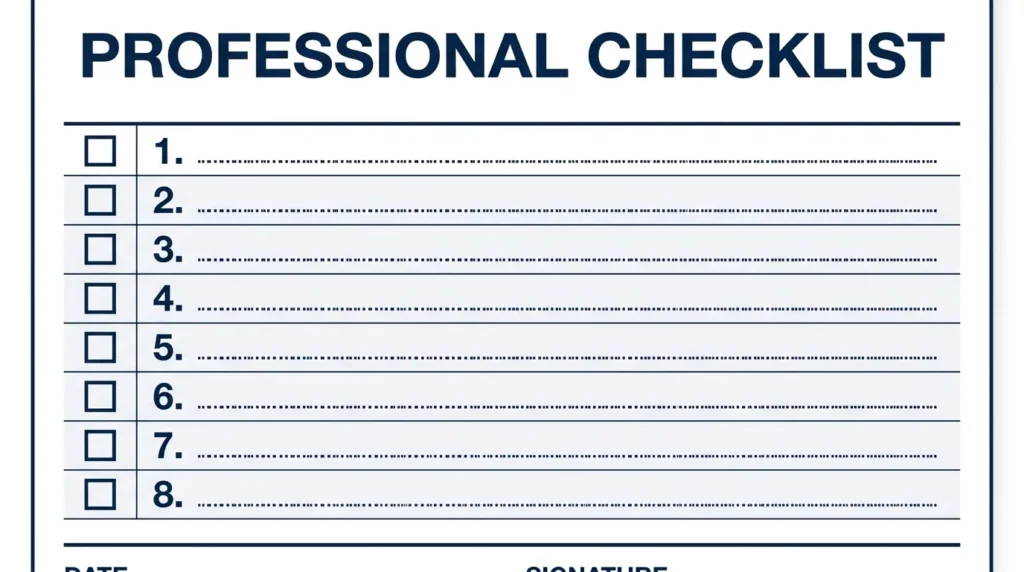
Checklist: How to Choose and Buy Your UK Business Insurance Safely
Follow these steps before you buy any policy:
- Confirm your legal minimum first. If you have any employees, Employers’ Liability Insurance at £5 million minimum is non-negotiable.
- Map your actual client-facing risk. List where the public or clients interact with your business — in person, on-site, or through your work product — and match Public Liability or Professional Indemnity to that exposure.
- Check every client contract for a minimum cover clause. Many contracts specify a minimum indemnity limit; buying below it can breach the agreement even if the policy itself is valid.
- Verify the insurer or broker is FCA-authorised. Search the Financial Conduct Authority’s Financial Services Register before you pay for any policy. An unauthorised provider means your “cover” may not be legally enforceable when you need it most.
- Disclose subcontractor arrangements accurately. Tell your insurer exactly how you engage subcontractors so labour-only workers are correctly covered under your EL policy.
- Don’t assume home insurance covers your business. Add a specific home-business policy or extension if you work from home.
- Review cover annually, and whenever the business changes. New employees, new premises, higher turnover, or new client contracts can all shift what you need.
- Keep your certificate accessible. For EL Insurance specifically, you’re legally required to display it or produce it on request from an HSE inspector.
If you’re still building out the basics of legal compliance, our wider guide to legal requirements for UK small businesses covers what sits alongside insurance on your setup checklist.
Frequently Asked Questions
What business insurance is mandatory by law in the UK?
Only Employers’ Liability Insurance is mandatory by law, and only for businesses with at least one employee. No other business insurance is a general legal requirement, though specific professions and contracts can make certain cover compulsory in practice.
Do I need public liability insurance as a sole trader working from home?
It isn’t a legal requirement, but if you meet clients, visit their premises, or have anyone visit yours, most sole traders need it. Many clients and platforms will also refuse to work with you without proof of cover.
How much employers’ liability insurance is required?
The legal minimum is £5 million, though most UK insurers offer £10 million as their standard package at a similar price point.
Can I run a business without insurance in the UK?
If you have no employees, there’s no general legal requirement to hold business insurance. But operating without Public Liability or Professional Indemnity leaves you personally exposed to the full cost of any claim, which can easily exceed the value of the business itself.