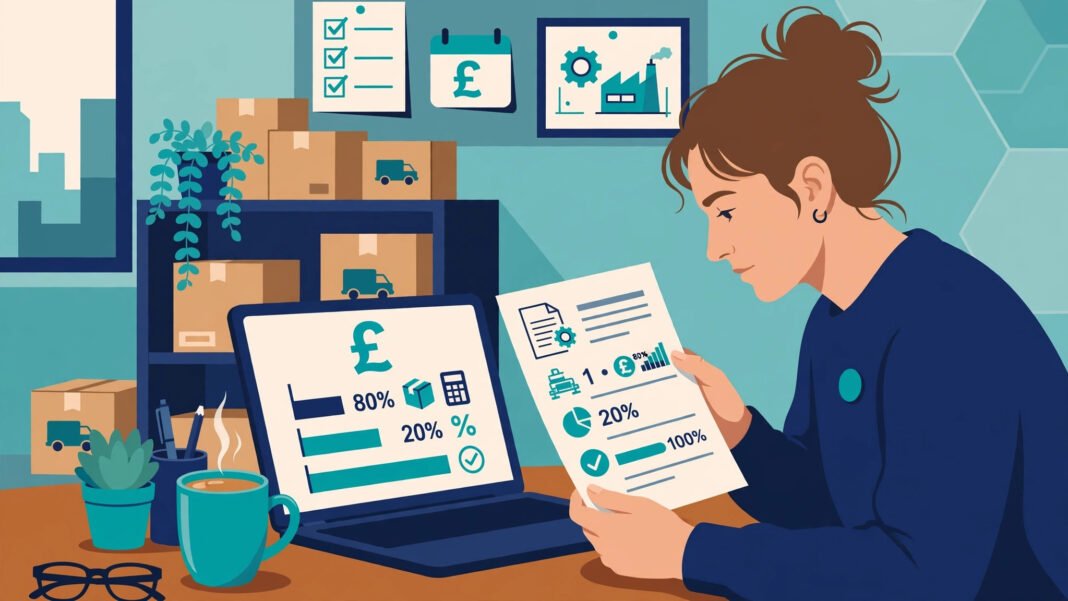


A Time to Pay (TTP) arrangement lets you pay an overdue HMRC tax bill in monthly instalments. You still owe the full amount, plus interest. HMRC agrees only if it believes you can keep up the payments and pay new tax bills on time.
For many small businesses, the quickest route is online. Sole traders owing up to £30,000 in Self Assessment, and VAT-registered businesses owing £50,000 or less, may qualify. Larger debts, Corporation Tax and most PAYE bills usually need a phone call.
This guide covers who qualifies, how to apply, what it costs and what happens if HMRC says no. Last reviewed September 2026, with limits and rates checked against GOV.UK.
What is a Time to Pay arrangement?
A Time to Pay arrangement is an agreement with HMRC to pay a tax bill in monthly instalments instead of one lump sum. You pay the full tax plus interest. HMRC agrees only if it believes you can afford the payments and keep up with new bills.
GOV.UK calls it a payment plan. Three names often get mixed up:
| Name | What it is | For overdue tax? |
|---|---|---|
| Time to Pay arrangement | A plan negotiated with HMRC, usually by phone | Yes |
| Online payment plan | The self-service version, set up on GOV.UK if you meet the limits | Yes |
| Budget Payment Plan | Weekly or monthly payments towards your next Self Assessment bill | No |
None of them cuts what you owe. They only spread the cost.
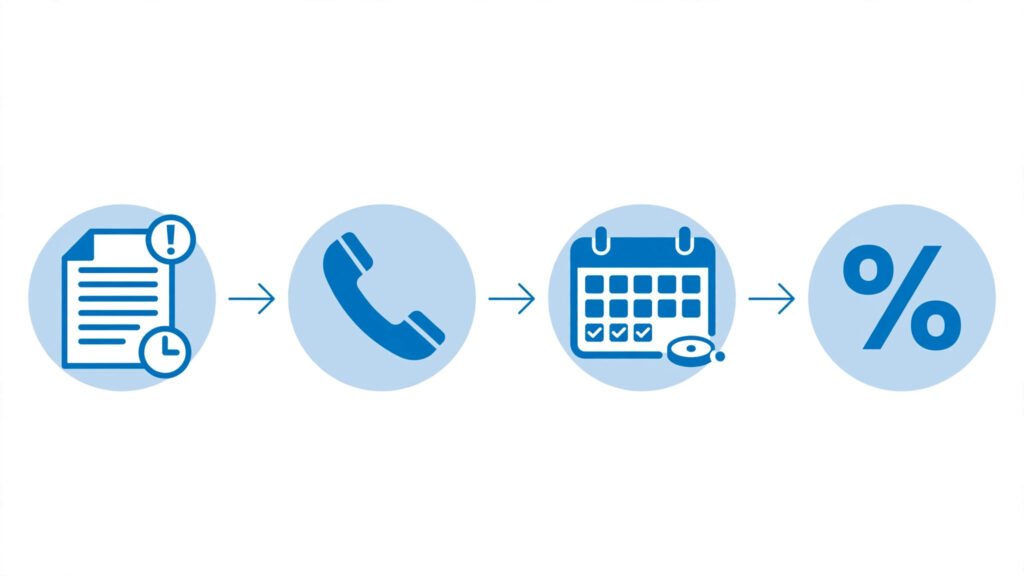
Who can get a Time to Pay arrangement?
Most UK businesses can ask for one, but HMRC decides case by case. It looks for a business that cannot pay now but can pay in full over time.
Sole traders, partnerships and limited companies
- Sole traders can include Self Assessment bills.
- Partnerships: the nominated partner deals with HMRC. In an ordinary partnership, the partners are personally responsible for the tax. Our guide on how to set up a business partnership covers the basics.
- Limited companies can include VAT, PAYE, Corporation Tax and CIS. HMRC expects you to sell spare assets first, such as stock, vehicles or shares. It may ask directors to add personal funds or borrow. The debt is the company’s, though HMRC can pursue directors personally in some cases, such as Personal Liability Notices for unpaid National Insurance.
What HMRC checks
- Your returns are up to date. HMRC can’t work out the debt without them. If you can’t pay what a return shows, file it anyway, then ask for a plan.
- You can afford it. HMRC asks about income, spending, savings and investments, and expects you to use savings or assets first. A Standard Financial Statement from free debt advice, such as Citizens Advice, is accepted as proof.
- Your history. Late filing and broken earlier plans count against you.
- Current bills. New tax must be paid on time while you clear the old debt.
Online or by phone: which route applies?
Smaller Self Assessment and VAT debts can often be set up online. Corporation Tax, most PAYE debts and larger bills need a call to HMRC.
| Tax | Online? | Main limits |
|---|---|---|
| Self Assessment | Yes | £30,000 or less, within 60 days of the deadline, latest return filed, no other HMRC debts or plans, up to 12 months |
| VAT | Yes | £50,000 or less, accounting period started 2023 or later, repaid within 12 months, no other HMRC plans or debts, all returns filed |
| PAYE | Usually phone | Payroll reports up to date; HMRC will ask how you’ll cover future payroll tax |
| Corporation Tax | Phone | No self-service option |
| Larger or complex debts | Phone | Several taxes, longer terms or an earlier broken plan |
VAT online plans are not open to businesses on the Cash Accounting Scheme or the Annual Accounting Scheme, or to those that make payments on account. Limits can change, so check the eligibility questions on GOV.UK before you assume either way.
HMRC runs separate payment-problems lines for Self Assessment, VAT, PAYE and Corporation Tax. Find yours on GOV.UK’s payment problems contact page. General enquiry lines, such as the VAT helpline, cannot be used to agree Time to Pay.
How to set up a Time to Pay arrangement
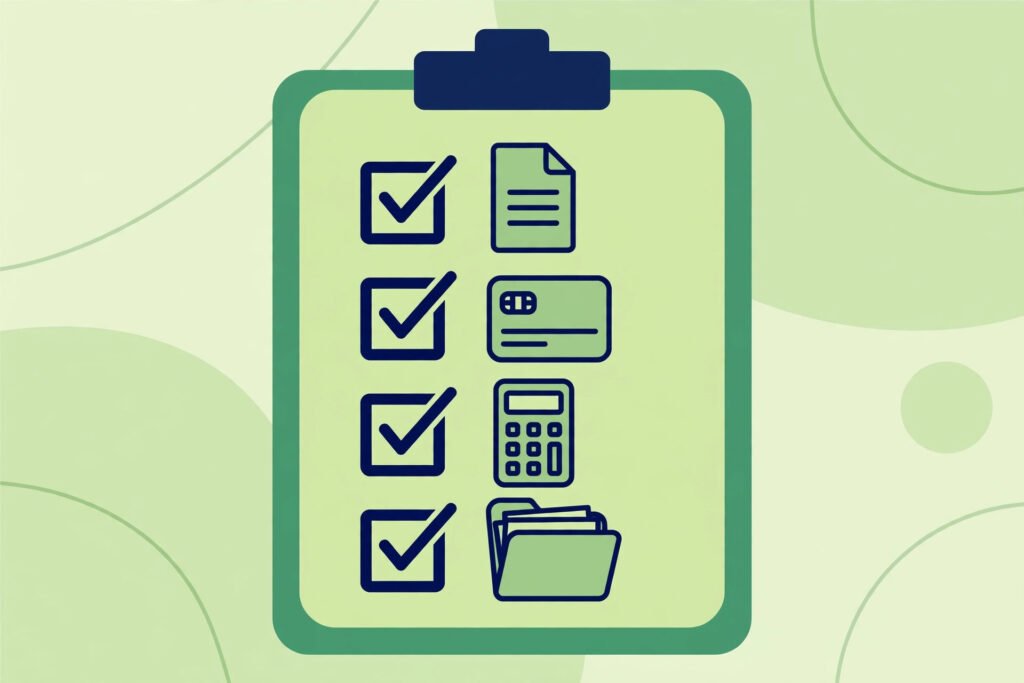
Follow these seven steps. Do the first four before you apply or call.
- Check what you owe. Use your Business Tax Account or Self Assessment account.
- File every missing return. HMRC won’t agree a plan while returns are outstanding. If you file digitally, see our guide to free Making Tax Digital software.
- Work out what you can pay. List income, essential costs and savings. A cash flow forecast helps, and many free accounting software packages can produce one.
- Gather your details. You need your tax reference (UTR, VAT or PAYE number), UK bank details you are authorised to set up a Direct Debit on, and your income and spending figures. Sole traders can check the record keeping requirements to see which records to have to hand.
- Apply online if you’re eligible. If not, call the right payment-problems line.
- Offer a specific figure. “£1,500 a month for 10 months” is stronger than “I need more time”. Only offer what you can guarantee.
- Set up the Direct Debit and ask for written confirmation. Keep the letter.
Some checks depend on the tax. For VAT, all VAT returns must be filed. For PAYE, your payroll submissions must be up to date, and HMRC will want to see you can meet ongoing payroll tax as well as the arrears.
How much will you pay each month, and for how long?
HMRC bases your monthly payment on what is left after essential costs such as rent, food, utilities and fixed outgoings. It usually asks for about half of that surplus. If you have £1,000 left over, expect a request for around £500 a month.
You can offer more. Paying faster means less interest.
GOV.UK sets no fixed time limit. In practice, most plans run for 6 to 12 months. Longer terms are unusual and often need more senior sign-off. HMRC wants the shortest term you can genuinely manage, but a plan that completes beats a fast one that fails. If your circumstances change, tell HMRC. A plan can be made longer or shorter.
Interest and penalties: what a payment plan costs
A Time to Pay arrangement stops enforcement, not interest. GOV.UK lists late payment interest at 7.75% from 9 January 2026, set at Bank Rate plus 4%, up from Bank Rate plus 2.5% before 6 April 2025. The rate moves with the Bank of England’s rate, so check the GOV.UK interest rates page before you plan.
For VAT, interest runs from the first day the payment is overdue until it is paid in full. Some interest will have built up before your plan starts.
Here is what a £20,000 VAT bill could cost in interest:
| Plan length | Monthly payment | Approx. interest during plan |
|---|---|---|
| 6 months | £3,333 | £450 |
| 10 months | £2,000 | £710 |
| 12 months | £1,667 | £840 |
These figures are illustrative. They assume equal monthly payments and simple interest at 7.75%, and they exclude interest before the plan starts.
Penalties depend on the tax, and VAT is the clearest case. If you propose a payment plan within 15 days of the due date and HMRC agrees it, no late payment penalty applies as long as you keep to the plan. Propose later and penalties can apply, though agreeing a plan stops them growing. Since April 2025 the first VAT penalty is 3% at day 15 plus a further 3% at day 30, and a second penalty builds daily at 10% a year from day 31. Check GOV.UK for the current rates.
Why timing matters in 2026
HMRC is acting faster on tax debt in 2026. Direct Recovery of Debts powers resumed in April, which lets HMRC take money from bank accounts in certain cases without a court order, and it is using more debt collection agencies. Its debt strategy aims to make paying easy, help people who need support and act firmly against those who don’t engage.
Advisers who deal with HMRC every week report the same pattern. Calling before the deadline gets the easiest deal. After a statutory demand, it gets much harder. If you know a payment will fall short, call before the due date.
What if you miss a payment or HMRC says no?
If you miss a payment
HMRC will contact you to ask why and will try to rearrange the plan where it can. Repeated misses, or a new tax bill you don’t pay, can end the arrangement. HMRC can then demand the full balance and use enforcement, such as debt collection agencies, direct recovery from bank accounts, taking control of goods, court action or, for company debts, a winding-up petition. If you can’t pay another tax bill, tell HMRC. It may add the bill to your plan.
If HMRC refuses
Ask why. Common reasons are missing returns, an offer HMRC thinks is unrealistic, an earlier broken plan or a late approach. Fix the problem and propose again. Keep paying what you can in the meantime, because part-payments show good faith and cut interest.
Other options:
- Raise cash. Chase overdue invoices, and consider automating invoicing to speed up payment. Invoice financing advances cash against unpaid invoices, and the British Business Bank loans guide covers lending routes. Compare the total cost with HMRC’s 7.75%.
- Use an adviser. An accountant or licensed insolvency practitioner can make your case. This helps most with several taxes, a large debt or a statutory demand.
- Limited companies: formal options include a Company Voluntary Arrangement (a repayment plan agreed with creditors, typically over 3 to 5 years), administration or liquidation. When insolvency is a real risk, directors have duties to creditors, covered in our guide to company director responsibilities. If the business can’t recover, see how closing a limited company works, and take advice first because unpaid tax affects your route.
FAQs
Can I set up a Time to Pay arrangement before the tax is due?
Yes. HMRC encourages early contact. Agreeing a plan before the deadline can stop late payment penalties building up, though interest still applies.
Does a Time to Pay arrangement affect my credit score?
Not directly. Plans are not reported to credit reference agencies. But if HMRC takes court action after a failed plan, a county court judgment can appear on your credit file.
Can I get a second arrangement if the first one failed?
Possibly, but it is harder. HMRC keeps a record of past plans. Explain what went wrong and what has changed.
Can I include more than one tax in the plan?
Often yes. If you can’t pay another bill, tell HMRC and ask to add it. You may need to use a different phone line for each tax.
Do I need an accountant to negotiate one?
No. You can handle a simple case yourself. An accountant or insolvency practitioner helps most when you owe several taxes, the debt is large, an earlier plan failed or a statutory demand has arrived.
Sources and disclaimer
Figures and rules come from GOV.UK, including HMRC’s guidance on payment plans, how much you’ll pay and interest rates. Rates and limits change, so check GOV.UK before you apply. This article is general information, not tax or legal advice. For a large debt or a threat of enforcement, speak to a qualified adviser.