
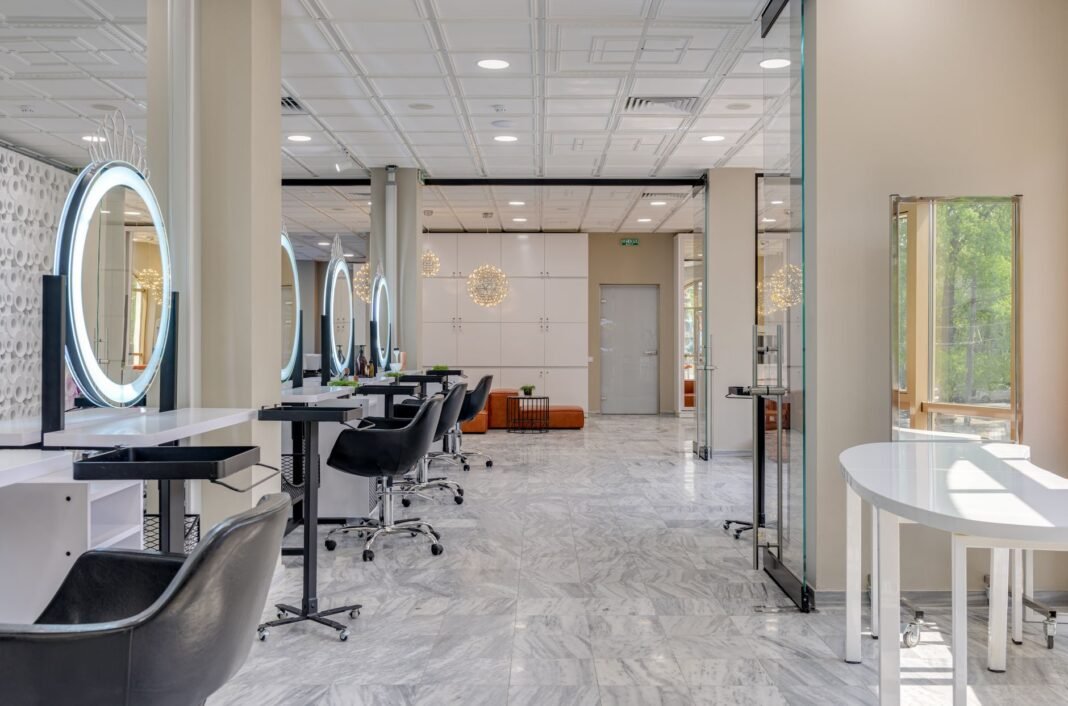

There is no single licence that lets you open a beauty salon in the UK. Instead, you must meet a set of legal duties. Some apply to every salon. Others depend on the treatments you offer and your council area.
Quick answer: To open a beauty salon legally, you must register your business with HMRC, follow health and safety and fire safety law, and hold employers’ liability insurance if you hire anyone. Depending on your treatments, you may also need a council licence or registration.
This guide separates law from good advice. The rules were last checked on 31 October 2026. They differ between England, Scotland and Wales, so confirm with your council before you sign a lease.
What Are the Legal Requirements for Opening a Beauty Salon in the UK?
Every UK salon must register its business, follow health and safety and fire law, and meet employment and data rules. Your treatments and your council decide what else you need. Sort the rules into three groups.
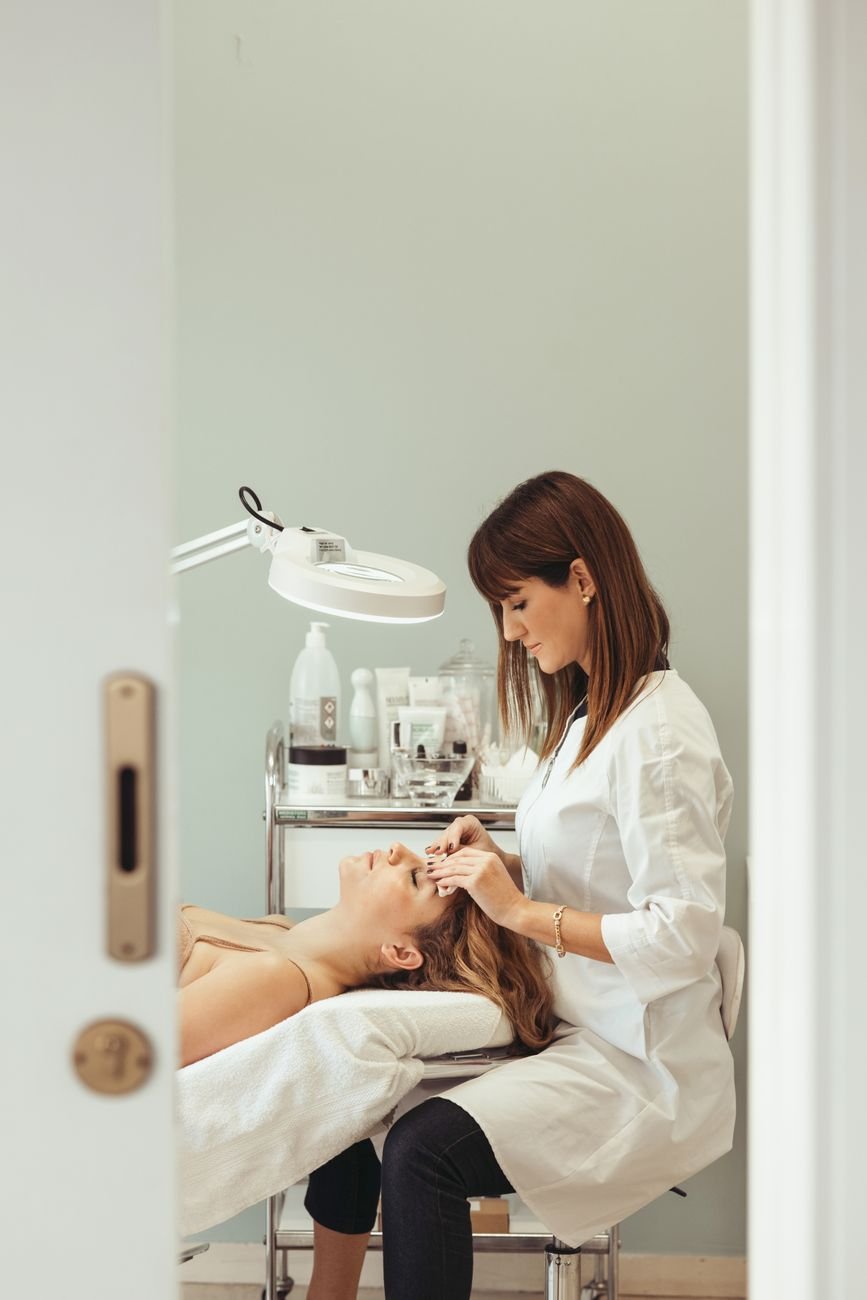
Legally required for every salon
- Register with HMRC as a sole trader, or form a company at Companies House.
- Complete a health and safety risk assessment and a fire risk assessment.
- Store and handle hazardous products under COSHH.
- Provide first aid and keep an accident record.
- Hold employers’ liability insurance if you employ anyone.
- Pay at least the legal minimum wage and enrol eligible staff in a pension.
- Protect client records under UK GDPR.
Required depending on your treatments or location
These include council licences or registrations, planning permission for some premises, business rates, a music or TV licence, and VAT once your turnover passes the threshold.
Not law, but expected
Recognised qualifications, public liability insurance and patch tests fall here. Insurers and clients treat them as standard. Ignoring them can void your cover.
Do You Need a Licence or Qualification to Open a Beauty Salon?
No. Legal advisers say you do not need a licence to open a hair salon in the UK. The same general principle applies to beauty salons. There are three caveats: legalvision
- Hair: Registration under the Hairdressers’ Registration Act is voluntary. startups
- Beauty: Some treatments need a council licence or registration (see below).
- Aesthetics: Rules for injectables are tightening.
Qualifications are different from licences. For most services, the law does not require them. Insurers do. If your team lacks the right training for the treatments they perform, your insurance can be invalidated. Insurers usually look for recognised awards, such as NVQ/SVQ or VTCT qualifications, for each treatment. nhbf
Common mistake: Adding a new treatment without telling your insurer first.
Register Your Business, Tax and Structure
Register with HMRC before you take your first booking. Your route depends on your structure.
A sole trader is the simplest option. You register for Self Assessment and keep proper records. Our guide to sole trader record keeping requirements shows what to store.
A limited company is a separate legal entity. You register at Companies House, and you will need a director and a registered office. If you are weighing the two, read moving from sole trader to limited company. After incorporating, follow the first steps after registering a company.
Three other registrations may apply:
- VAT: You must register once taxable turnover passes £90,000. startups
- PAYE: Needed as soon as you employ staff.
- ICO fee: Needed if you process client data. See the ICO data protection fee.
For a wider view of set-up spending, see how much it costs to start a business in the UK.
Council Licences: Special Treatments and Skin Piercing
Councils, not central government, issue salon licences, and local rules differ. Use this table as a starting point.
| Treatment | What you usually need | Issued by |
|---|---|---|
| Massage, saunas, steam, light or electrical treatments | A special treatment premises licence in many areas. Some councils require none | Local council |
| Tattooing, semi-permanent make-up, cosmetic piercing, electrolysis, acupuncture | Registration of you and your premises (England), licence in Wales and Scotland | Local council |
| Nails, waxing, facials, lashes, brows, hair | Often no licence, but a few councils list some of these. Confirm locally | Local council |
| Botox and fillers | No council licence yet in England. National rules are changing | Government |
How the nations differ
- England: The Local Government (Miscellaneous Provisions) Act 1982 covers registration for acupuncture, tattooing, cosmetic piercing, semi-permanent skin colouring and electrolysis. In London, boroughs also license special treatments under the London Local Authorities Act 1991. Some councils require no massage licence at all. Fees vary. One council charges about £308 for skin piercing registration. salongeekbreckland
- Wales: Wales began licensing four special procedures in November 2024. pinsentmasons
- Scotland: Skin piercing and tattooing licensing has applied since April 2006. A new 2026 Order adds a licence for certain low-risk non-surgical procedures. charnwoodmfmac
- Northern Ireland: It has separate rules, so check with your council.
For other permits, read do I need a business licence in the UK.
Common mistake: Trading before the council has inspected and approved your premises. Allow time for inspections in your start-up plan. nhbf
Premises, Planning, Business Rates, Home and Mobile Salons
Before you sign a lease, check that its permitted use allows a salon. Also look for break clauses. Business rates apply from the day you take the premises, even if you are not yet trading. Small business rate relief may reduce the bill, so ask your council. nhbf
Running a salon from home adds extra steps:
- Get written permission from your mortgage lender or landlord. Using part of your home as a salon counts as a change of use. salonserve
- Ask your council’s planning team whether you need permission. This is more likely if you convert a garage or receive many visitors.
- Business rates can apply if you convert part of your home. salonserve
- Capital gains tax may apply when you sell. salonserve
- Tell your insurer that you work from home.
Mobile therapists need no salon premises, but insurance and hygiene duties still apply. Some therapists must also register individually with the council. Our guide to running a business from home covers the wider rules. nhbf
Health and Safety, Fire and Hygiene Rules
The Health and Safety at Work etc. Act 1974 requires you to protect staff and clients. Council environmental health officers usually inspect salons, so keep your records ready.
- Risk assessments: Employers with five or more staff must have a written health and safety policy. Review risk assessments at least yearly. nhbf
- Chemicals: Under COSHH 2002, keep hazardous products in secure, cool, ventilated storage. Have a spill and disposal plan. startups
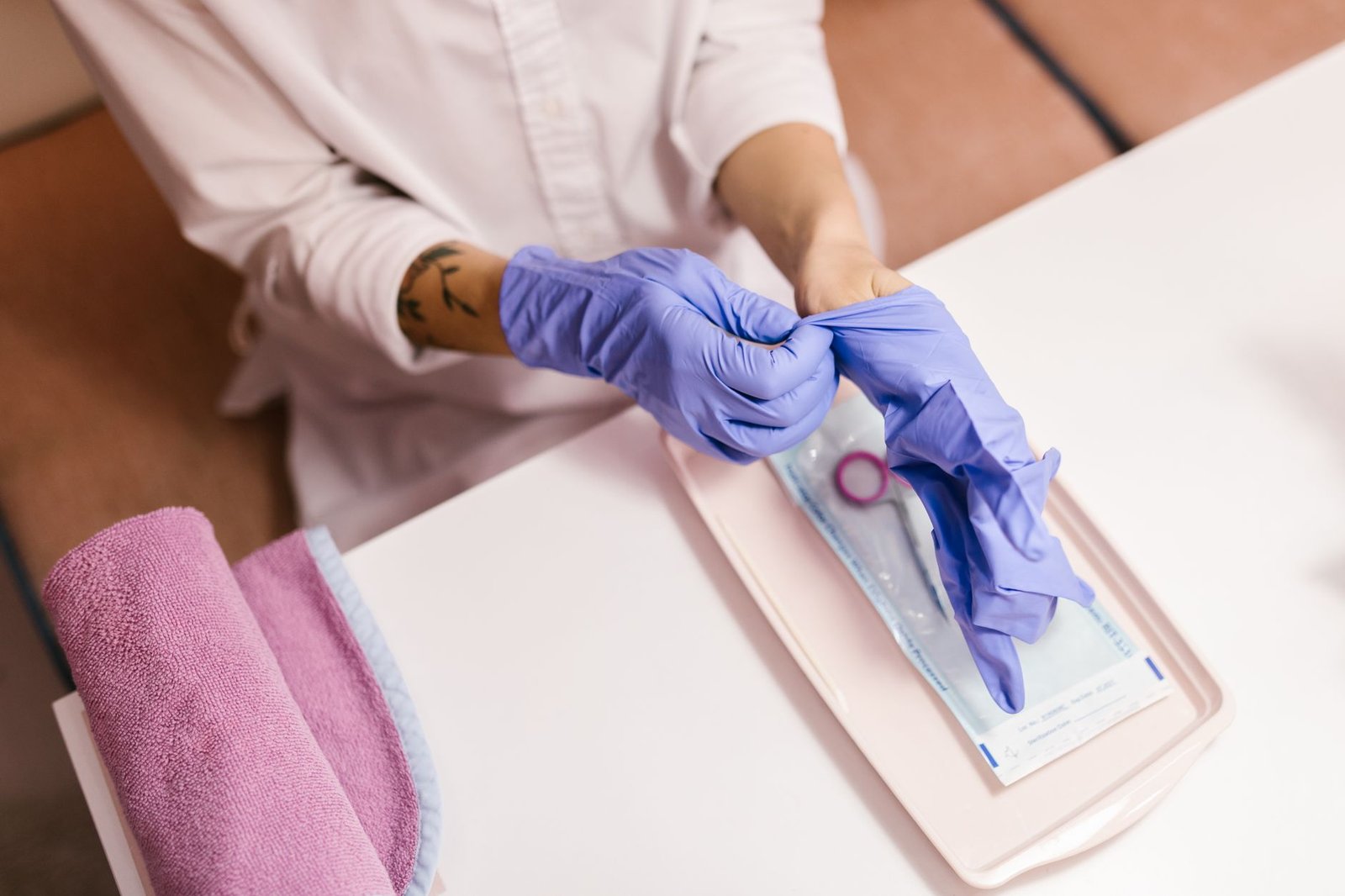
- Tools and equipment: Sterilise reusable tools after each client and bin disposable ones after one use. You must keep electrical equipment safe. Portable appliance testing (PAT) is the usual way to prove it. startups
- Fire: In England and Wales, the Regulatory Reform (Fire Safety) Order 2005 requires a fire risk assessment and an evacuation plan. Scotland has its own regime under the Fire (Scotland) Act 2005. startups
- First aid: Keep a first aid kit, fire and first aid notices, and an accident book. nhbf
- Patch tests: Clients booking colour, lash or brow tinting need an allergy test about 48 hours before. Follow manufacturer instructions. Skipping them can invalidate your insurance. nhbf
Insurance: What Is Legally Required vs. Advisable
Employers’ liability insurance is the only compulsory policy for most salons, and only if you employ people. Public liability is not a legal requirement, but few landlords, councils or clients will work with you without it.
- Employers’ liability (legal): Covers staff injury or illness. The minimum cover is £5 million, and trading without it can bring fines of up to £2,500 a day.
- Public liability: Covers injury or property damage to members of the public. Read our public liability insurance guide. startups
- Treatment liability: Covers claims from a client harmed by a treatment you provided. startups
- Products liability: Needed if you sell retail products.
- Buildings, contents and business interruption: Check whether your landlord insures the building, and consider cover for lost income after a fire or flood. nhbf
Our overview of what business insurance you need in the UK explains how these policies fit together.
Employing Staff: Pay, Contracts, Pensions and 2026–27 Changes
If you employ anyone, you must pay at least the legal minimum, give written terms, check right to work, run PAYE and enrol eligible staff in a pension.
From April 2026, the minimum is £12.71 an hour for ages 21 and over, £10.85 for ages 18 to 20, and £8.00 for under-18s and apprentices. Give each hire a signed contract. A free employment contract template is a sensible starting point. If you plan to train juniors, see apprenticeship funding in 2026. gov.uk
Two changes matter now:
- Since 6 April 2026, statutory sick pay no longer requires a minimum earnings level. hilldickinson
- The qualifying period for unfair dismissal is expected to fall to six months from January 2027. Run proper probation reviews from day one. boundlesshq
Chair and room renters: Renters are self-employed, not staff. You cannot dictate their hours, prices, uniform, products or services. Treating them like employees creates legal risk. nhbf
Data Protection, Music and TV Licences, and Consumer Law
Client records often include allergies and medical history. That makes them sensitive personal data under UK GDPR. Keep consent forms secure, collect only what you need, and delete old records. Our UK GDPR checklist walks through the steps. Booking software with built-in consent and records can help. See scheduling software for UK small businesses.
Other licences are easy to miss:
- Music: The PPL PRS music licence covers recorded music in public spaces, including radio and streaming. startups
- TV: A TV Licence is needed for live TV and BBC iPlayer. startups
On consumer law, you must deliver services with reasonable care and skill under the Consumer Rights Act 2015. The Digital Markets, Competition and Consumers Act has applied since April 2025. It targets unfair practices such as hidden fees and fake reviews. Show full prices up front, and write clear cancellation terms using website terms and conditions as a guide. startups
Botox, Fillers and Aesthetic Treatments: What’s Changing
Botox and fillers fall outside council skin-piercing registration, and the rules are tightening. One council confirms that injecting Botox and cosmetic fillers is not skin piercing under the 1982 Act. A council registration therefore does not make an injectable treatment lawful. luton
Status on 31 October 2026:
- England: Giving injectable toxins or fillers for cosmetic purposes to under-18s has been a criminal offence since 2021. On 21 October 2026, the government announced a consultation on restricting high-risk procedures, such as liquid BBLs and deep chemical peels, to qualified professionals. Parliamentary process is planned for spring 2027. A licensing scheme for lower-risk treatments is still promised, without a date. pinsentmasonsitv
- Scotland: The Non-surgical Procedures and Functions of Medical Reviewers (Scotland) Act 2026 received Royal Assent on 12 May 2026. mondaq
- Wales: The current licensing covers special procedures, not Botox or fillers.
If you want to offer injectables, work with qualified healthcare professionals and ask your insurer first.
Pre-Opening Compliance Checklist (Example: Solo Nail and Lash Therapist)
Work backwards from opening day. This timeline suits a therapist renting one treatment room.
- 12 weeks out: Ask your council which licences apply. Get your landlord’s written consent.
- 10 weeks out: Register with HMRC and open a business bank account.
- 8 weeks out: Apply for any council licence or registration, and allow time for inspection.
- 6 weeks out: Get insurance quotes and confirm your qualifications meet the insurer’s terms.
- 4 weeks out: Write your risk assessments, COSHH list and fire plan. Set up consent forms and your patch-test routine.
- 2 weeks out: Buy your music licence and, if needed, pay your ICO fee.
- Opening week: Display health and safety information, and stock the first aid kit and accident book.
FAQs
Do I need a licence to open a beauty salon in the UK?
There is no general licence for beauty salons. Specific treatments, such as massage, piercing, electrolysis and tattooing, may need a council licence or registration. Rules vary by council and nation.
Is public liability insurance a legal requirement?
No. Employers’ liability insurance is legally required if you employ staff. Public liability is not compulsory, but most landlords and clients expect it.
Can I run a beauty salon from home?
Yes. Get permission from your lender or landlord, tell your insurer, and check planning and business rates with your council. Some treatments still need a council licence.
Do I need qualifications to open a salon?
Not by law for most treatments. Insurers usually require recognised training for each treatment, so check before you start.
Before You Open
Start with one call to your council’s licensing team. Ask which treatments need a licence, then use the GOV.UK licence finder to confirm. Get your insurance and tax in place next, then open with the checklist above. This is general information, not legal advice. Check specific points with your council or a solicitor.