
The personal allowance for the 2025/26 tax year is £12,570. That’s the amount you can earn before any Income Tax applies. It’s unchanged from 2024/25, and it stays the same again for 2026/27, frozen under rules that run until April 2028.
What Is the Personal Allowance for 2025/26?
The personal allowance is the slice of your income that’s tax-free every year. For 2025/26, that slice is £12,570. It applies across England, Wales, Northern Ireland, and Scotland — the allowance itself is UK-wide, even though the rates above it differ north of the border.
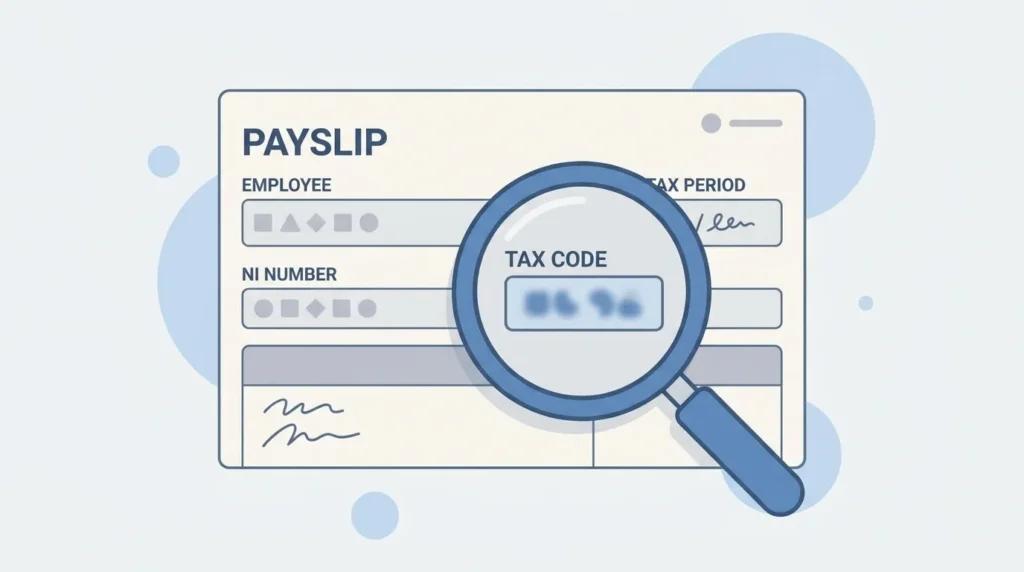
Most employees see this number reflected in their tax code: 1257L. The figure matches the allowance, and the letter L confirms you’re getting the standard, unrestricted amount.
If you complete a tax return rather than relying on PAYE, your allowance is built into the calculation behind the scenes. Our guide to filing a UK self-assessment tax return walks through the full process if you’re doing this for the first time.
Earn under £12,570 for the year, and you pay no Income Tax at all. Earn above it, and tax applies only to the portion over the threshold — never the whole amount.
2025/26 Income Tax Bands and Rates (England, Wales & Northern Ireland)
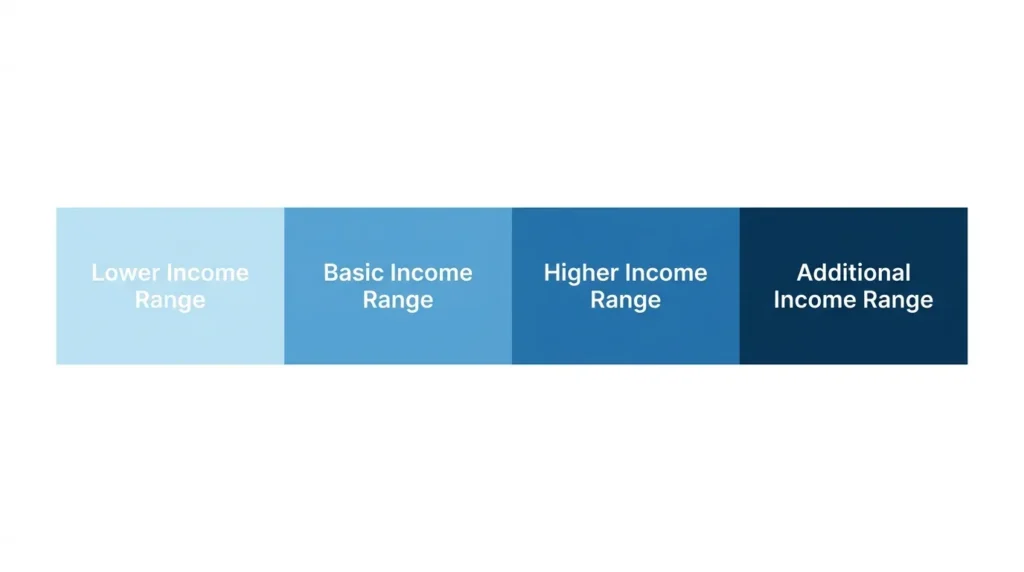
Three rates apply once you’re above the personal allowance:
| Band | Taxable Income | Rate |
|---|---|---|
| Personal Allowance | Up to £12,570 | 0% |
| Basic rate | £12,571 to £50,270 | 20% |
| Higher rate | £50,271 to £125,140 | 40% |
| Additional rate | Over £125,140 | 45% |
These bands cover most income types: wages, self-employment profit, pensions, and rental income. If you run a business as a sole trader, the same bands set what you owe once your allowable costs are deducted from turnover. Our sole trader tax guide breaks down exactly how that calculation works.
Income Tax Rates in Scotland for 2025/26
Scotland uses six bands instead of three. The personal allowance is still £12,570, but the rates above it are different:
| Band | Taxable Income | Rate |
|---|---|---|
| Starter rate | £12,571 to £15,397 | 19% |
| Basic rate | £15,398 to £27,491 | 20% |
| Intermediate rate | £27,492 to £43,662 | 21% |
| Higher rate | £43,663 to £75,000 | 42% |
| Advanced rate | £75,001 to £125,140 | 45% |
| Top rate | Over £125,140 | 48% |
A Scottish tax code carries an S prefix — S1257L for the standard allowance. Below roughly £30,000, Scottish taxpayers generally pay slightly less than the rest of the UK, thanks to the 19% starter rate. Above £43,663, they pay more, since the higher rate starts earlier and runs steeper than England’s 40%.
How the Personal Allowance Taper Works Above £100,000
Earn over £100,000, and your personal allowance starts shrinking. For every £2 of income above £100,000, you lose £1 of allowance. By £125,140, the allowance has gone completely — down to £0.
Worked example: Someone earning £110,000 is £10,000 over the £100,000 threshold. Half of that, £5,000, comes off the allowance. £12,570 minus £5,000 leaves an allowance of £7,570, instead of the full amount.
This creates an effective marginal tax rate of 60% on income between £100,000 and £125,140 in England, Wales and Northern Ireland — higher than the 45% additional rate that applies above £125,140. It catches a lot of people by surprise, particularly those who get a pay rise or bonus that pushes them just over £100,000.
Company directors often manage this by adjusting the balance between salary and dividends. Our guide on paying yourself as a limited company director explains how that mix affects your total tax position, including the taper.
Has the Personal Allowance Changed from 2024/25?
No. £12,570 has been the figure since April 2021, and it’s frozen until April 2028 under the Finance Act 2021. The £100,000 and £125,140 taper thresholds are frozen too.
A frozen allowance sounds neutral on paper, but it isn’t in practice. Wages rise with inflation; the allowance doesn’t move. Each year, more people cross into tax — or into a higher band — purely because their pay went up, not because they’re better off in real terms. This effect has a name: fiscal drag. The House of Commons Library estimates close to 1.95 million more taxpayers will be drawn in by 2025/26 because of it, with that number climbing further by the end of the freeze.
If your income includes dividends alongside a salary, the same frozen-threshold effect applies to dividend tax bands too. It’s worth checking both together each tax year rather than looking at salary in isolation.
Marriage Allowance: Transferring Your Personal Allowance
If one partner earns under £12,570 and the other pays the basic rate — not higher or additional — the lower earner can transfer £1,260 of unused allowance to their partner. That’s worth up to £252 a year in reduced tax for the partner receiving it.
Both partners need to be married or in a civil partnership. The transfer can also be backdated up to four tax years if you were eligible but never claimed it.
What Tax Code Should You Be On?
1257L is the standard code for 2025/26. It means you get the full £12,570 allowance with no adjustments.
Other codes you might see:
- BR — all income taxed at the basic rate, with no allowance applied. Common on a second job.
- K-codes — used when untaxed income, such as company benefits, exceeds your allowance, so extra tax is collected through payroll.
- 0T — no allowance applied at all, often a temporary code while HMRC sorts out your details.
If you’re self-employed, your allowance is set against your profits rather than through a tax code from an employer. National Insurance thresholds for the self-employed also align closely with the personal allowance figure. Our breakdown of National Insurance for self-employed workers covers how the two interact.
Check your code on your payslip or P60. A wrong code — especially BR or an incorrectly applied K-code — can mean overpaying tax for months before it’s spotted.
Frequently Asked Questions
Is the personal allowance changing in 2026/27? No. It stays at £12,570 for 2026/27 too, under the same freeze running to April 2028.
Do I get a personal allowance if I’m self-employed? Yes. It works the same way — the first £12,570 of your profit each year is tax-free, calculated through your self-assessment return. Missing the filing deadline can trigger penalties even if you owed no tax beyond your allowance; our guide to self-assessment penalties sets out what to expect if a return runs late.
What happens to my allowance if I earn exactly £125,140? At that point, your allowance is fully tapered to £0. Every pound of income from £12,570 upward is taxed.
Does the personal allowance apply to savings interest? Not directly. Savings interest has its own Personal Savings Allowance on top of the standard personal allowance — £1,000 for basic rate taxpayers, £500 for higher rate, and £0 for additional rate.
In Short
The personal allowance for 2025/26 is £12,570 — the same as 2024/25, and the same again for 2026/27. It tapers away between £100,000 and £125,140, stays frozen until at least April 2028, and underpins every Income Tax calculation in the UK, regardless of where you live. Check that your tax code matches your circumstances, and if your income is climbing past £100,000, plan ahead. The 60% effective rate in that band catches people out every year.